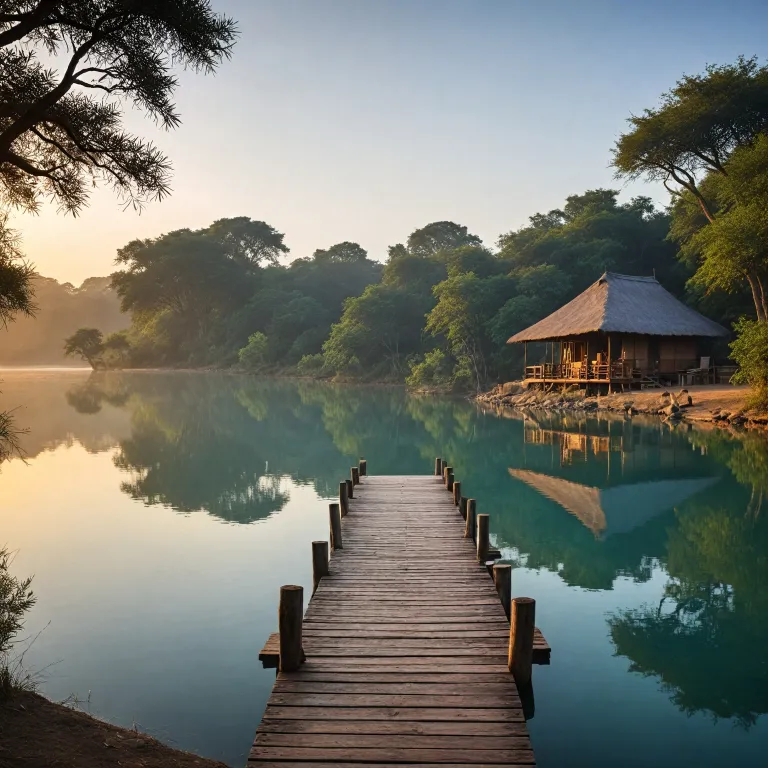
Niassa lake as a refined retreat in southern Africa
Niassa lake offers a rare blend of raw African wilderness and refined comfort. For travelers booking luxury and premium hotels in Mozambique, this lake in southern Africa creates a serene counterpoint to the country’s busy coastal resorts. The long shoreline of lake niassa, also known as lake malawi and lake nyasa, feels intimate yet immense.
This African great lake forms part of the rift valley system and stretches along the border between africa mozambique and Malawi. Its clear water, framed by forested hills and small fishing villages, gives guests a sense of space that many other lakes cannot match. From a hospitality perspective, the lake basin supports discreet lodges that prioritize privacy, personalized service, and meaningful connections with the surrounding communities.
When you plan a holiday here, you engage with one of the most biodiverse lakes on the continent. Lake niassa is part of the wider African great lakes network, alongside lake tanganyika and other major lakes that shape regional climate and livelihoods. The Mozambique Government manages the lake basin on its side, working with WWF-Mozambique and local fishermen communities to balance tourism with conservation.
For premium hotel guests, this governance matters because it safeguards the clarity of the water and the integrity of the shoreline. It also ensures that every stay contributes to sustainable development in southern africa rather than short term gain. Understanding this context helps travelers choose properties that respect the lake, the fish, and the people who depend on both.
Biodiversity, seasons, and the rhythm of lake niassa stays
Lake niassa is renowned for its extraordinary fish species diversity, which shapes both conservation policy and guest experiences. Experts estimate that more than 1,000 fish species live in this single lake, with around 90 percent of cichlids considered endemic. This makes the area one of the most important freshwater species lake habitats in all of africa.
For travelers, the seasonal rhythm of the dry season and wet season is central to planning the right time to visit. The dry season, typically from May to october, offers calmer water, clearer visibility, and more predictable boat transfers to lakeside hotels. During the wet season, which often peaks around november and april, the lake basin becomes greener and more dramatic, but logistics can be more complex.
Because lake niassa is part of the African great lakes system, climate change has become a serious concern for both tourism and local livelihoods. Fluctuating water levels, warmer temperatures, and shifting rainfall patterns affect fish lake populations and the reliability of artisanal fishing. These changes also influence how luxury properties design infrastructure, from jetties to water treatment systems, to remain resilient throughout the year.
Guests who appreciate nature will find that every stay here is framed by this living ecosystem. Snorkeling from a quiet cove reveals dazzling fish species in shallow water, while guided boat trips explain how the wider lake malawi and lake tanganyika basins are interconnected. Understanding these dynamics adds depth to a holiday and encourages more thoughtful choices about activities, timing, and hotel selection.
Luxury hotel choices along lago niassa in Mozambique
The Mozambique shoreline of lago niassa remains relatively undeveloped, which is part of its charm for luxury travelers. Instead of dense strips of hotels, you find a handful of premium properties spaced along the coast, each oriented toward the lake basin and surrounding hills. This low density allows hotels to offer generous suites, private decks, and quiet beaches where the only sound is water against the sand.
When evaluating options, consider how each hotel integrates with the african landscape and local communities. Some properties emphasize lake-facing villas with direct access to the water, ideal for guests who want to swim or kayak at any time of day. Others focus on elevated rooms that frame sweeping views across lake niassa toward Malawi and the distant rift valley escarpments.
Because this region of southern africa is still emerging as a high end destination, service standards can vary between hotels. Look for management teams that understand both international expectations and the realities of operating beside one of the African great lakes. Reliable power, safe drinking water, and well maintained boats are essential for a seamless holiday, especially during the wet season when conditions can change quickly.
Many travelers combine a stay on lake niassa with time on the Indian Ocean coast or a safari in Niassa Province. This multi stop approach highlights the diversity of africa mozambique, from inland lakes to marine reserves and wildlife areas. Carefully chosen transfers ensure that each segment of the journey feels effortless, allowing the lake itself to remain the calm, luxurious centerpiece.
Conservation, communities, and responsible premium travel
Lake niassa is not only a scenic backdrop for a holiday ; it is a working landscape that sustains thousands of people. The lake supports 56,000 fishers who harvest about 116,000 tons of fish annually, providing livelihoods for over 1.6 million people. For travelers booking premium hotels, understanding this reality is key to making responsible choices.
In response to environmental pressures, Mozambique declared its portion of lake niassa a protected reserve and a Ramsar site. This status aims to conserve aquatic species, regulate fish lake harvests, and promote sustainable development in the lake basin. Conservation partners such as WWF-Mozambique and USAID work alongside local fishermen communities to monitor fish species and address threats like pollution and climate change.
Guests can support these efforts by choosing hotels that engage transparently with community projects and environmental regulations. Some properties contribute to education programs that explain why species lake diversity matters for long term food security. Others back initiatives that reduce destructive practices, especially during sensitive times of the year when breeding fish need undisturbed habitats.
Responsible travelers also pay attention to how their activities affect the water and shoreline. Limiting motorized excursions, using reef safe sunscreen, and respecting no fishing zones all help protect the african great ecosystems of lake niassa. Over time, such choices ensure that both luxury hotels and small villages can thrive side by side along this remarkable stretch of southern africa.
Design, service, and the art of lakeside hospitality
Luxury hotels on lake niassa increasingly draw inspiration from both the water and the surrounding african cultures. Interiors often feature natural stone, hardwoods, and textiles that echo the colors of the lake basin and nearby forests. This design language creates a sense of place that feels authentic rather than imported from other lakes or coastal resorts.
Service is another defining element, especially for guests used to the best of the African great lakes region. Well trained teams coordinate boat transfers, private dinners on the beach, and guided excursions that reveal the daily life of local fishermen. Many properties invest in language training and hospitality skills so that staff from small villages can build careers without leaving southern africa.
For travelers researching options online, it is worth reading about how hotels approach sustainability and interior design. Resources such as this article on interior design trends shaping luxury and premium hotel booking experiences in Mozambique can help frame expectations. They also show how lake niassa properties are aligning with broader africa mozambique trends in eco conscious luxury.
Thoughtful design extends beyond rooms to shared spaces that frame the water at different times of day. Infinity pools appear to merge with lake niassa, while shaded decks offer views toward Malawi and, further north, the direction of lake tanganyika. As light shifts from morning to evening, guests experience the lake as a living artwork, reinforcing the sense that this is a truly great place to pause and reconnect.
Planning your niassa lake itinerary across the African great lakes
Designing an itinerary around lake niassa requires attention to timing, logistics, and personal interests. Many travelers aim for the dry season between May and october, when lake conditions favor boat transfers and water based activities. Others prefer the drama of the wet season, especially around november and april, when storms over the rift valley create spectacular skies.
Because lake niassa is part of the wider lake malawi and lake nyasa system, it can be combined with visits to Malawi’s nkhata bay or even further afield to lake tanganyika. These multi lake journeys highlight how the African great lakes share similar fish species, cultural traditions, and climate change challenges. They also reveal how each lake basin has its own character, from the steep shores of lake tanganyika to the softer beaches of lago niassa in Mozambique.
Travelers interested in conservation may wish to meet local fishermen communities or visit projects supported by WWF-Mozambique. Guided excursions can explain how the shire river connects lake malawi to the lower basin and why sustainable development is essential for long term stability. Such experiences add depth to a holiday, turning a simple lakeside stay into a meaningful engagement with southern africa.
When planning, allow enough time to slow down and appreciate the rhythms of the lake. Early mornings are ideal for quiet paddles on glassy water, while evenings invite stargazing from the shore of africa mozambique. With thoughtful choices, a stay on lake niassa becomes more than a trip ; it becomes a refined immersion into one of the continent’s most remarkable freshwater landscapes.
Key figures that shape lake niassa travel
- Number of fish species in lake niassa : 1,000 species, with a high proportion of endemic cichlids that fascinate visiting snorkelers and divers.
- Percentage of endemic cichlid species : 90 %, underscoring the global importance of this single lake basin for freshwater biodiversity.
- Annual fish harvest from lake niassa : 116,000 tons, reflecting the scale of the fish lake economy that coexists with luxury tourism.
- Number of fishers employed on the lake : 56,000 individuals, many living in small villages along the Mozambique and Malawi shores.
- Livelihoods supported by the fishery : 1,600,000 individuals whose food security and income depend on healthy water and resilient fish species.
Essential questions about lake niassa for luxury travelers
What is the significance of lake niassa's biodiversity ?
Lake Niassa is home to over 1,000 fish species, with approximately 90% being endemic cichlids, making it one of the most biodiverse freshwater lakes globally. This exceptional biodiversity enhances the appeal of high end hotels that offer guided snorkeling and educational excursions. Guests can appreciate how their stay supports protection of these unique species lake habitats.
How does lake niassa contribute to local livelihoods ?
The lake supports 56,000 fishers who harvest about 116,000 tons of fish annually, providing livelihoods for over 1.6 million people. Luxury and premium hotels increasingly collaborate with these communities through fair employment, responsible sourcing, and training programs. Travelers who choose such properties help align tourism with long term sustainable development in southern africa.
What conservation measures have been implemented for lake niassa ?
In 2011, Mozambique declared Lake Niassa a reserve and designated it as a Ramsar Wetland of International Importance to protect its biodiversity and promote sustainable use. This framework guides regulations on fishing, tourism infrastructure, and pollution control across the lake basin. For visitors, it means that carefully managed hotels can operate in harmony with one of the African great lakes’ most fragile ecosystems.