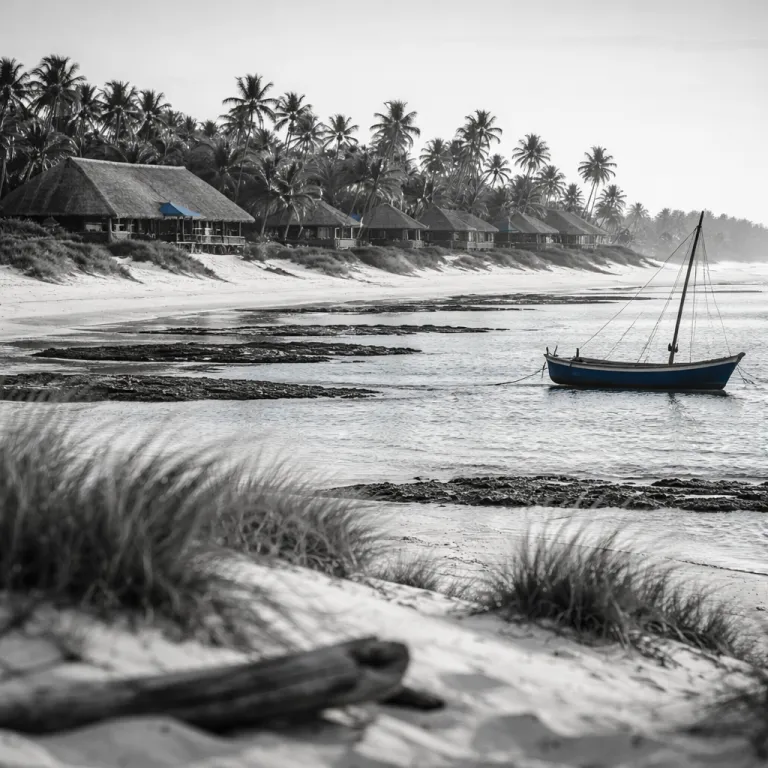
Mozambique versus east africa luxury: why the beach should lead, not follow
Mozambique is not the after party to a safari in East Africa. For travelers weighing mozambique versus east africa luxury, the country now stands as the main event, especially for executives who have already ticked off the classic circuit from the Serengeti to the Maasai Mara. This is the trip where the Indian Ocean sets the agenda and the safari becomes the optional add on, not the other way around.
Most tour operators still sell southern Africa and East Africa as a fixed sequence; first the game reserve, then the island. The structure is familiar across Africa safari brochures from Mahlatini Luxury Travel, Regal Roams and Ker & Downey, where Kenya, Tanzania and sometimes Africa Botswana dominate the front pages while Mozambique is framed as the quiet beach at the end of a long trip. That model made sense when there were only a handful of luxury lodges along the Mozambique coast and Bazaruto Archipelago, but it is now out of date for serious travelers who want the ocean to be the focus rather than the add on.
Look at the numbers and you see the bias in plain sight. Ker & Downey counts around 200 luxury lodges across East Africa, while Mahlatini Luxury Travel tracks roughly 50 in Mozambique, and this gap has shaped how africa southern itineraries are marketed. These figures are drawn from the companies’ own published lodge portfolios and internal tracking as of early 2024, and while they shift slightly each season, the overall ratio remains similar. Yet fewer properties along the beach can mean more space, more privacy and a more coherent sense of place for the guest who values a private villa on Benguerra Island over a crowded game viewing vehicle in a busy national park.
For an executive who has already flown into Cape Town, connected through Johannesburg and spent time in south Africa’s wine country, the question is no longer whether to go on safari. The real question is how to balance wildlife, culture and the Indian Ocean in a way that feels fresh, and that is where mozambique versus east africa luxury becomes a live debate rather than a brochure slogan. Mozambique now offers a southern coastline where the beach, the island and the city stay can carry an entire itinerary without leaning on the Serengeti or the Maasai Mara for validation, and where the safari component becomes a tailored accent instead of the default centerpiece.
Marine biodiversity and barefoot luxury that outpaces the classic safari circuit
When you compare mozambique versus east africa luxury through the lens of nature, the story shifts from savannah to sea. East Africa will always own the great migration across the Serengeti and the Maasai Mara, and no one should pretend that Mozambique competes on that specific wildlife spectacle. Yet for marine biodiversity, coral health and year round Indian Ocean experiences, Mozambique quietly outperforms many of its more famous neighbours in southern Africa and East Africa, according to long term monitoring by regional marine biologists and conservation NGOs working in the Bazaruto and Quirimbas areas.
The Bazaruto Archipelago and the Quirimbas marine national park form one of the most unspoiled stretches of the Indian Ocean anywhere in Africa. Dugongs graze in the shallows off Bazaruto, while turtles nest on remote sandbars near Benguerra Island, and dolphins track the drop offs where the reef falls away into deep blue water. Surveys by Mozambique’s National Administration of Conservation Areas and partner organisations consistently list Bazaruto as a key stronghold for dugong populations in the western Indian Ocean. This is not a quick beach stop after a week of game viewing in a private concessions network; it is a full marine safari in its own right, with daily game in the form of rays, reef sharks and shoals of fish that move like underwater migration patterns.
On a typical day in the Bazaruto Archipelago, you might leave your private villa at first light and step straight onto a dhow for a slow sail across the lagoon. By the time the sun is high, you are snorkelling above coral heads that rival anything in the wider Indian Ocean, while your skipper anchors off a sand island that only exists at low tide. One Maputo based skipper describes it simply: “Here the tide is your game drive. If you miss it, you miss the show.” The experience is intimate, unhurried and deeply african in its rhythm, quite different from the more regimented game drives that define many East Africa safari camps.
Executives used to tight schedules in south Africa or Cape Town often find the slower pace in Mozambique disorienting at first. Give it time and the lack of a strict game drive timetable becomes the point, because here the wildlife is under the water and the best game viewing happens when you align with tides rather than vehicle slots. For a deeper look at how the country is planning for this future, the analysis of Mozambique’s AI tourism master plan on long term coastal development summarises government strategy documents and pilot projects that use data tools to guide resort placement, protect key reefs and manage visitor flows along the shoreline.
A new hospitality language from Maputo to the islands
Luxury in Mozambique has moved beyond copying safari camp templates from East Africa and south Africa. Where the classic africa safari vocabulary revolves around twice daily game drives, sundowners and the big five, Mozambique’s best properties now speak in a different register built around the beach, the island and the city. That shift matters when you weigh mozambique versus east africa luxury, because it changes how your entire trip feels from the first airport transfer to the last nightcap and encourages a slower, more coastal rhythm.
In Maputo, a new generation of intimate hotels and design forward guesthouses has emerged, often run by owners who treat hospitality as a cultural project rather than a real estate play. They lean into Mozambican music, contemporary art and a cuisine that fuses Portuguese heritage with coastal africa flavours, from grilled prawns to matapa stews. One long time hotelier in the Polana district puts it this way: “Guests arrive asking about safaris. They leave asking for our chef’s matapa recipe and the name of the band that played in the courtyard.” This is where the concept of saudade, that particular blend of longing and joy, becomes a design principle rather than a marketing line, and it gives the city a depth that stands up well against more established southern Africa hubs like Cape Town.
Out on Benguerra Island or in the quieter corners of the Bazaruto Archipelago, the best lodges now offer a style of barefoot luxury that is precise rather than performative. You might arrive by helicopter, but the real highlight is the moment your guide walks you along the beach at low tide, pointing out seagrass beds where turtles feed and explaining how local communities manage fishing rights in nearby private concessions. It is a different kind of game reserve, one where the wildlife is marine and the conservation story is written in tides and currents instead of savannah fires, and where the guest experience is shaped as much by local village partnerships as by lodge architecture.
For travelers who have already experienced the great migration in the Serengeti or the Maasai Mara, or who have combined gorilla trekking in Rwanda with a stop at Victoria Falls, Mozambique offers a reset. The country’s luxury scene is still smaller than that of East Africa or south Africa, and that can mean more attentive service, more flexible schedules and a stronger sense of place. For a clear sense of how resilient this hospitality culture has become, the report on how Mozambique reopened to luxury travelers after historic floods draws on interviews with lodge owners, airline managers and local officials to show a sector that is learning fast and investing for the long term.
Designing a lead role for Mozambique in your next africa itinerary
For the business leisure traveler, the real test of mozambique versus east africa luxury is how the itinerary works in practice. You are likely flying in from Europe, the Middle East or south Africa, with limited time and high expectations for both service and substance. The question is not whether to include safari, but how to structure africa southern routes so that Mozambique leads rather than trails and so that transfers, flight times and budgets feel coherent rather than improvised.
One smart pattern is to anchor the trip around a single island cluster, then add targeted wildlife or city experiences before or after. Start with four or five nights in the Bazaruto Archipelago, splitting time between Benguerra Island and a neighbouring sand island lodge, where you can focus on marine wildlife, diving and dhow sailing. From there, you can either add a short hop to a game reserve in southern Africa or East Africa, or keep the entire trip within Mozambique by pairing the coast with Gorongosa National Park for a more traditional game viewing component. In practice, this often means a two hour regional flight into Vilanculos, a 10 to 20 minute helicopter or boat transfer to your island, and a similar hop back to the mainland before connecting north to Gorongosa or onward to Johannesburg.
Another option for executives who have already done the Serengeti, the Maasai Mara and perhaps the Okavango Delta is to treat Mozambique as the place where you refine your africa safari tastes. Instead of chasing the great migration again, you might choose a quieter private concessions area in south Africa or Africa Botswana for two or three nights of focused game drives, then shift to Mozambique for a longer stretch of beach and island time. That way, the safari becomes the prelude and the Indian Ocean the main act, which better reflects the strengths of each region. Typical nightly rates at high end lodges in these circuits can range from mid to upper four figures in US dollars per couple, including meals and most activities, so building the itinerary around fewer stops and longer stays can also make the trip feel more grounded and better value.
There are still gaps to acknowledge honestly when comparing Mozambique with East Africa and south Africa. Domestic flight networks can be patchy, off island infrastructure is uneven and connections between Maputo, the islands and other parts of Africa sometimes require patience and flexibility. Over the next decade, as the AI driven tourism master plan takes shape and as operators like Mahlatini Luxury Travel, Regal Roams and Ker & Downey refine their africa itineraries, the balance of power in mozambique versus east africa luxury will be decided not by marketing slogans but by how travelers actually choose to spend their limited time. For now, the most interesting move you can make is simple; put Mozambique first and let everything else fall into place around it.
What are the top luxury destinations in Mozambique? Bazaruto Archipelago and Quirimbas Archipelago. Which East African country offers the best luxury safaris? Kenya and Tanzania are renowned for luxury safaris. Are there direct flights between Mozambique and East Africa? Limited direct flights; connections often required.
For readers who want to go deeper into the northern coast, our guide to Quirimbas Archipelago escapes for refined island stays shows how this lesser known region can sit confidently alongside the Bazaruto Archipelago in any africa southern itinerary. When you weigh mozambique versus east africa luxury through this lens, the old pattern of safari first and beach second starts to feel like a habit rather than a considered choice. The next generation of africa travelers will be the ones who break that habit and let the Indian Ocean lead.
Key figures shaping mozambique versus east africa luxury
- Mahlatini Luxury Travel tracks around 50 luxury lodges in Mozambique, compared with approximately 200 luxury lodges in East Africa reported by Ker & Downey, which shows how a smaller inventory can translate into more exclusive, less crowded experiences for high end guests. These numbers are based on each company’s 2024 product lists and internal destination audits, which group properties by price point, service level and guest feedback.
- Current research into luxury travel across Mozambique and East Africa, initiated in mid May and analysed over several days, uses AI tools to compare amenities, experiences and guest feedback, signalling a more data driven approach to designing africa safari and island itineraries. The mozambique versus east africa luxury comparison in this article draws on that research, which aggregates publicly available lodge information, review scores and operator reports into a single decision making framework.
- Key emerging trends across southern Africa and East Africa include increased demand for eco friendly lodges, a rise in personalised travel experiences and steady growth in cultural tourism, all of which favour destinations like Mozambique that can combine marine wildlife, city culture and private island stays in a single trip. Interviews with lodge managers and regional DMCs suggest that travelers are asking more detailed questions about reef protection, community partnerships and carbon impact than they were even five years ago.