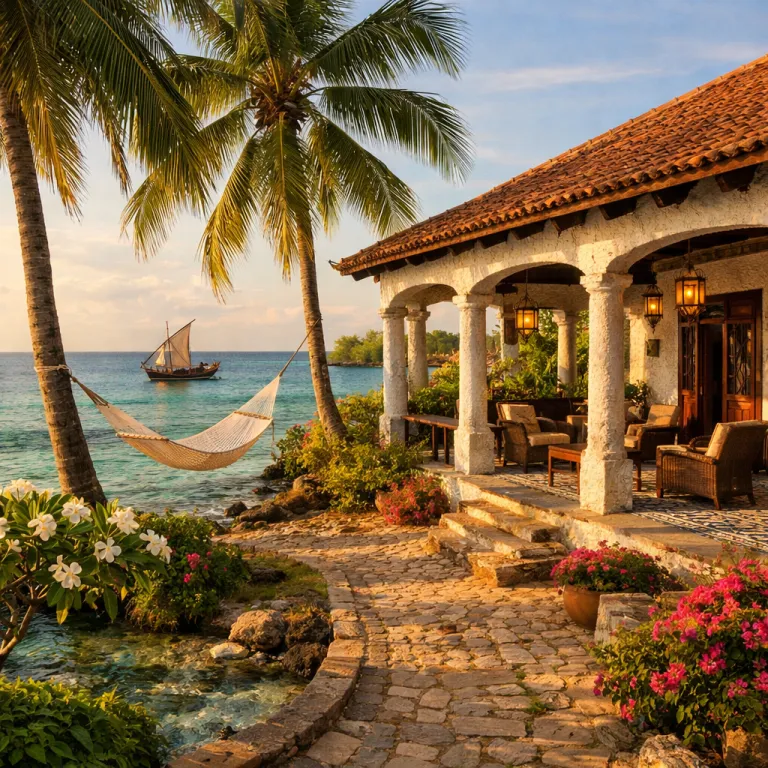
Why Mozambique island captivates luxury travelers seeking depth and detail
Mozambique island offers a rare combination of layered heritage and intimate coastal charm. This slender island in northern Mozambique sits just 2.5 km long and 0.3 km wide, yet it concentrates centuries of trade, faith, and architecture from across Africa and the Indian Ocean. Travelers who value characterful luxury will find that every beach, alley, and coral stone façade tells a story that elevates a simple hotel booking into a meaningful journey.
The island lies off the mainland coast of Nampula Province, connected by a narrow bridge that frames sweeping views of the Indian Ocean. From the first glimpse of the makuti town roofs and the stone town skyline, you sense how ilha de Moçambique once anchored Portuguese East Africa and shaped routes between Africa, Arabia, and India. Today, premium lodges and refined guest houses are woven into this historic fabric, offering comfort without erasing the island’s soul. “Island of Mozambique served as Portuguese East Africa's capital until 1898.”
For travelers comparing destinations across east Africa and south Africa, Mozambique island stands apart through its density of history and its gentle pace. You can walk from a quiet beach to a centuries old church in minutes, then return to a shaded terrace at your lodge to watch traditional dhow sails cross the water. This proximity allows you to balance time between cultural immersion, ocean activities, and restorative privacy, which is essential when choosing the best place for a premium stay.
Understanding the heritage layers that shape premium stays on ilha de Moçambique
Luxury on Mozambique island is inseparable from its layered heritage and maritime past. Vasco da Gama’s arrival positioned the island as a strategic stop between the mainland and the wider Indian Ocean, and the Portuguese soon fortified it to control trade across east Africa. Over four centuries, Swahili, Arab, and European influences blended into a distinctive architectural language that still frames today’s most atmospheric lodges.
In stone town, coral stone mansions, arcaded verandas, and carved doors line narrow streets that lead toward Fort São Sebastião. This fort, often called Fort São, dominates the northern tip of ilha de Moçambique and overlooks deep blue water where coral reefs shelter fish and traditional dhow traffic. Nearby stands the Chapel of Nossa Senhora de Baluarte, sometimes referred to as Senhora Baluarte, a small whitewashed sanctuary that many guests visit at sunrise before returning to their hotel for breakfast.
The island’s designation as a UNESCO heritage site underscores its global importance and guides how premium properties restore historic buildings. Many high end stays occupy former merchants’ houses in the old Portuguese town, while others sit closer to makuti town where traditional thatch and local life remain vibrant. When you book, it is worth asking how a property engages with conservation efforts and community initiatives, because responsible operations help protect both the built heritage and the living culture of Africa Mozambique.
Choosing the best area and lodge style on Mozambique island
Selecting the right lodge on Mozambique island starts with understanding the island’s two distinct urban textures. The northern stone town quarter, sometimes called the upper town, concentrates coral stone palaces, churches, and civic buildings that once housed the colonial administration of Portuguese East Africa. Many premium lodges here offer high ceilings, shaded courtyards, and rooftop terraces with sweeping views over the Indian Ocean and the mainland coast.
Further south, makuti town presents a more traditional side of ilha de Moçambique, with thatched roofs, sandy lanes, and a closer connection to everyday island life. Some travelers prefer to stay near this area to experience the rhythms of the town, from morning markets to evening gatherings along the water. Whether you choose stone town elegance or makuti town authenticity, you remain within walking distance of the beach, the oceanfront promenade, and key heritage landmarks such as Fort São and Senhora Baluarte.
When comparing options, consider how each lodge balances privacy, service, and access to the island’s main experiences. A smaller property in a restored coral stone house may suit couples seeking quiet time, while a larger lodge closer to the beach can work better for families who value space and easy water access. In both cases, look for teams who speak both Portuguese and English, understand the nuances of ilha Moçambique, and can arrange guided walks, dhow excursions, and transfers to and from the mainland.
Oceanfront experiences, coral ecosystems, and dhow journeys around ilha de Moçambique
For many guests, the greatest luxury on Mozambique island lies in its relationship with the ocean. The island sits in a sheltered stretch of the Indian Ocean where clear water, coral gardens, and gentle tides create ideal conditions for swimming, snorkeling, and relaxed sailing. From the terraces of many lodges, you can watch the light change across the bay as traditional dhow crews adjust their lateen sails and glide between the island and the mainland coast.
Several operators based in town organize half day and full day trips by traditional dhow, often combining beach time on nearby sandbanks with snorkeling over coral reefs. These excursions reveal the rich marine life of Africa Mozambique, from colorful reef fish to intricate coral formations that thrive in the warm water. When booking through your lodge, ask about group sizes and environmental practices, because smaller, low impact trips tend to respect both the ocean and the fragile coral ecosystems.
Although Mozambique island itself is not a national park, it sits within a broader coastal region where conservation initiatives are gaining strength. Some itineraries combine time on ilha Moçambique with visits to mainland reserves or a marine focused national park elsewhere along the Mozambique coast. If you are planning a longer journey through east Africa or connecting from south Africa, your hotel’s concierge can help sequence these experiences so that cultural days in stone town alternate with ocean days on remote beach stretches, creating a balanced and restorative itinerary.
Planning logistics, seasons, and sustainable choices for premium bookings
Thoughtful planning is essential when arranging a luxury stay on Mozambique island, especially if you are combining it with other destinations in Africa. Most travelers reach ilha de Moçambique via Nampula in Nampula Province, then continue by road to the mainland coast before crossing the bridge to the island. Your lodge can usually organize private transfers, which is particularly helpful after a long flight from Europe, the Middle East, or south Africa.
The best time to visit generally aligns with the drier, cooler months, when temperatures are comfortable for walking through town and exploring heritage sites. During these periods, the water remains warm enough for swimming and snorkeling, and visibility over coral reefs is often excellent. If you prefer quieter streets and more flexible booking conditions, consider shoulder season dates, when premium lodges may offer added value without compromising service.
Sustainability is increasingly central to high end hospitality on Mozambique island, and discerning guests can support this shift through their choices. Many properties now emphasize low impact operations, from careful water use to partnerships with local artisans and guides, and some align with broader initiatives in eco friendly luxury across Mozambique. For deeper insight into these practices and how they relate to the wider mainland and coastal context, you can consult this guide to eco friendly luxury and premium hotel booking in Mozambique, then discuss specific measures with your chosen lodge.
Integrating Mozambique island into wider Africa itineraries and cultural journeys
Many travelers weave Mozambique island into broader explorations of east Africa, combining coastal heritage with inland wildlife and urban culture. One common pattern links ilha de Moçambique with a safari in a national park elsewhere in Mozambique or a neighboring country, followed by time in a major city in south Africa. This structure allows you to experience the contrast between coral fringed beach days, game drives on the mainland, and cosmopolitan evenings before or after your island stay.
Within the island itself, cultural depth rewards those who linger beyond a quick overnight. Guided walks through stone town reveal how Swahili, Arab, and Portuguese influences shaped façades, courtyards, and public spaces, while visits to Fort São Sebastião and Senhora Baluarte illuminate the religious and military history of the region. Conversations with residents in both the old Portuguese quarter and makuti town help contextualize how ilha Moçambique has evolved from colonial capital to UNESCO heritage site and living community.
For travelers tracing historical routes, Mozambique island also connects to broader narratives of trade, faith, and migration across the Indian Ocean. From here, you can better understand how Africa Mozambique interacted with Arabia, India, and Europe, and how these exchanges left traces in language, cuisine, and architecture. When you return to your lodge terrace at the end of the day, watching traditional dhow silhouettes against the ocean, the island’s layered past and present feel inseparable, making your stay more than a simple beach escape.
Key figures and essential facts about Mozambique island
- The island of Mozambique measures approximately 2.5 km in length, allowing guests to walk from one end to the other in under an hour.
- Its width is around 0.3 km, which concentrates heritage buildings, lodges, and town life within a narrow strip between lagoon and open ocean.
- The resident population numbers in the tens of thousands, creating a lively atmosphere that contrasts with the tranquil beach and coral reef settings.
- Coordinates near 15.0340° S and 40.7350° E place the island firmly within the tropical belt of the western Indian Ocean.
Frequently asked questions about Mozambique island
Why is the Island of Mozambique significant?
It was the capital of Portuguese East Africa and a key trading post.
What architectural styles are present on the island?
A blend of Swahili, Arab, and European influences.
Is the Island of Mozambique a UNESCO World Heritage site?
Yes, it was designated in 1991.