Maputo maputo city as a refined african gateway for luxury stays
Maputo maputo city welcomes discerning travelers with a coastal elegance that feels instantly cosmopolitan. As the capital city and largest urban center of Mozambique, Maputo combines Indian Ocean views, a lively waterfront, and a sophisticated hospitality scene that appeals to premium guests. The municipality balances its role as Mozambique capital and principal commercial hub with a relaxed seaside rhythm that suits slow, indulgent stays.
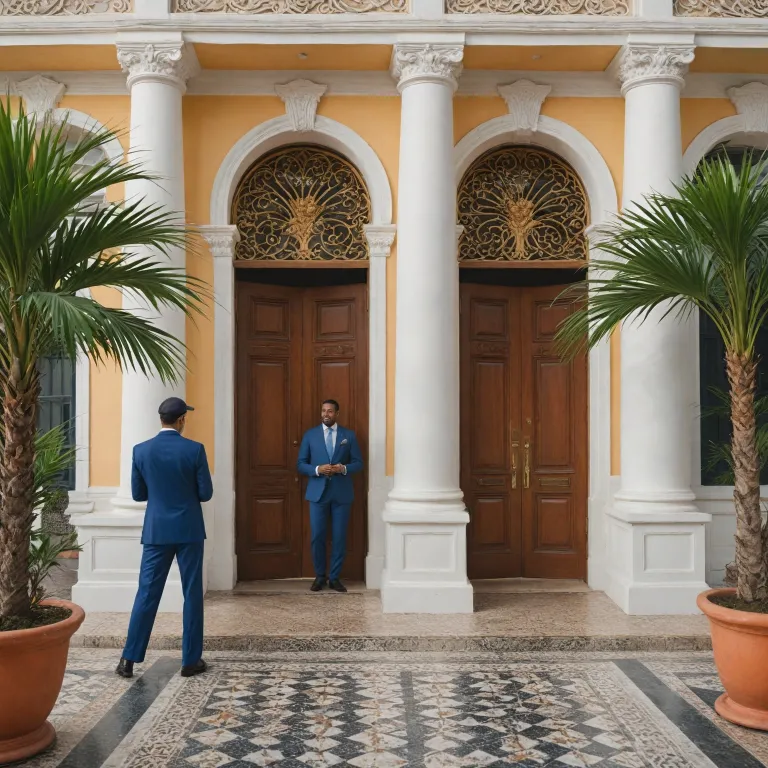
The city maputo landscape reflects both its Portuguese heritage and its modern african cities identity, visible in pastel façades, leafy avenidas, and contemporary glass towers. Historic Lourenço Marques architecture stands beside new development projects, while the Maputo City Council works with national government partners to improve infrastructure and support inclusive growth. This blend of history and change shapes where luxury hotels rise, from restored mansions in central urban areas to sleek towers overlooking Maputo port and the railway station district.
For travelers comparing african cities such as Cape Town or other south africa hubs, Maputo mozambique offers a more intimate capital city experience with strong cultural character. The population is just over one million people, giving the municipality Maputo a human scale that still supports high end dining, curated food experiences, and premium services. Many luxury properties sit along Avenida Marginal and nearby areas, where sea level breezes soften the tropical climate and frame sunset views across the bay.
Because Maputo lies in the south of Mozambique, close to the border with South Africa, it works well as a first or final stop on a regional itinerary. Visitors often pair Mozambique Maputo stays with time in Cape Town or Kruger, using the city as a stylish base between safari and beach. This strategic location, combined with ongoing urban development and infrastructure upgrades, continues to elevate Maputo city on the regional luxury travel map.
Understanding maputo’s neighbourhoods and infrastructure for premium hotel choices
Selecting the right luxury hotel in Maputo maputo city starts with understanding its key urban areas and their personalities. The historic Baixa district near the railway station and Maputo port offers a sense of old Lourenço Marques, with grand avenues, civic buildings, and easy access to the waterfront. Further along Avenida Marginal, contemporary properties line the coast, giving guests direct sea views and quick access to the city’s most fashionable restaurants and bars.
Inland, residential urban areas such as Sommerschield and Polana host embassies, consulates, and some of the most exclusive addresses in Mozambique Maputo. These neighbourhoods combine quieter streets, mature trees, and strong municipal services, which appeal to travelers seeking privacy and security. Many premium hotels here emphasize wellness, with pools, gardens, and spa facilities that make the most of the warm south Mozambique climate.
Maputo’s infrastructure has evolved through years of rapid urban development, supported by municipal and national government initiatives. Methods such as urban development planning, economic diversification, and infrastructure improvement are implemented through municipal governance, public private partnerships, and international aid. These efforts help maintain reliable transport links, from the international airport to the main avenues, which is crucial for guests arriving from South Africa or other african cities.
For travelers interested in cultural heritage and premium stays near historic sites, a detailed guide to luxury and premium hotel booking in Mozambique near heritage landmarks can be particularly useful. It highlights how Maputo Mozambique hotels integrate local art, Portuguese influences, and contemporary design in ways that feel authentic rather than themed. Whether you choose a sea facing address near Avenida Marginal or a refined retreat in the diplomatic quarter, the city Maputo infrastructure now supports seamless movement between business, leisure, and cultural attractions.
Climate, sea level risks, and how luxury hotels respond in maputo
Maputo maputo city sits on a low lying coastal plain, which makes climate change and sea level dynamics central concerns for long term hotel planning. The tropical savanna climate brings a warm, wet season followed by a cooler, dry period, shaping when many premium travelers prefer to visit. Luxury properties increasingly design shaded outdoor spaces, cross ventilation, and efficient cooling systems to keep guests comfortable while respecting Mozambique’s environmental priorities.
Because Maputo Mozambique faces potential sea level rise, especially along Avenida Marginal and waterfront areas, new development often includes elevated structures and improved drainage. Municipal authorities and the Maputo City Council collaborate with international partners to reinforce coastal defenses and protect key infrastructure such as roads, utilities, and the port. High end hotels in these zones typically invest in robust building standards and backup systems, reassuring guests who value both comfort and resilience.
Climate change also influences food security and supply chains that support luxury dining in the capital city. Chefs in Maputo city work closely with local producers from the south and other regions of Mozambique to secure fresh seafood, seasonal produce, and specialty ingredients. This collaboration helps maintain consistent quality in hotel restaurants, even when weather patterns affect harvests or fishing conditions along the coast.
For travelers comparing Maputo with other african cities such as Cape Town or coastal hubs in South Africa, understanding these environmental dynamics adds depth to hotel selection. Many premium properties now highlight sustainability credentials, from energy efficient infrastructure to responsible sourcing and community engagement. When evaluating options in Mozambique Maputo, it is worth asking how each hotel addresses climate risks, supports food security, and contributes to inclusive growth within the wider municipality Maputo.
Cultural heritage, cuisine, and refined experiences in maputo maputo city
The cultural fabric of Maputo maputo city is one of its greatest luxuries, enriching every premium stay with a sense of place. The city’s Portuguese legacy appears in language, architecture, and café culture, blending with Mozambican rhythms, crafts, and contemporary art. Walking through central urban areas, guests encounter tiled façades, leafy avenidas, and markets where the population gathers for daily life and social exchange.
Food is a highlight of any visit to Maputo Mozambique, and luxury hotels increasingly curate experiences that showcase local flavors. Menus often feature fresh seafood from the Indian Ocean, peri peri prawns, matapa, and Portuguese inspired pastries, paired with South African wines and regional specialties. Many properties organize guided visits to markets and food stalls, allowing guests to see how food security and local supply chains support both everyday households and high end kitchens.
History remains visible in landmarks that recall the Lourenço Marques era, from civic buildings to the iconic railway station designed with European influences. Premium hotels frequently arrange private tours that connect these sites with stories of civil war, independence, and the city’s transformation into Mozambique capital and financial center. These narratives help travelers understand how years of change shaped today’s Maputo city, its government institutions, and its evolving urban areas.
For those planning broader itineraries that combine Maputo with beach or safari, curated Mozambique holiday packages for refined beach and safari escapes can streamline logistics. Such journeys often start or end in Mozambique Maputo, using the capital city as a cultural anchor between wilderness and coastline. By choosing hotels that celebrate local art, music, and cuisine, travelers ensure that their time in city Maputo feels both luxurious and meaningfully connected to place.
Practical guidance for booking luxury hotels in maputo and beyond
When booking a premium stay in Maputo maputo city, location, security, and service standards should guide your shortlist. Properties near Avenida Marginal offer sweeping bay views and quick access to the waterfront, while those in Polana or Sommerschield provide quieter streets and embassy level security. In all cases, confirm how each hotel manages transport, especially airport transfers and reputable taxis, to navigate the city maputo safely and efficiently.
It is wise to review how hotels handle infrastructure reliability, including power, water, and connectivity, given the broader development context in Mozambique. Many leading properties in Maputo Mozambique invest in generators, water treatment, and high speed internet to ensure uninterrupted comfort for business and leisure guests. Asking about these systems during booking can help you compare options across different urban areas and price points.
Travelers should also consider how hotels engage with local communities and support inclusive growth within the municipality Maputo. Some properties partner with training programs to employ residents from surrounding areas, contributing to skills development and long term stability. Others focus on responsible sourcing, prioritizing food and services from local suppliers, which strengthens both food security and the wider city economy.
Safety remains an important consideration, even though Maputo city is generally welcoming to visitors. Authorities advise avoiding isolated areas at night, using reputable transportation, and remaining attentive to personal belongings in crowded places. By choosing hotels that coordinate closely with municipal and national government guidance, guests can enjoy Mozambique Maputo with confidence, whether they are arriving from South Africa, other african cities, or long haul destinations further afield.
How maputo’s history and future shape the luxury travel experience
The story of Maputo maputo city, from its Lourenço Marques origins to its role as Mozambique capital, deeply influences today’s hospitality landscape. Founded as a trading post and later elevated to capital city status, it has long served as a gateway between Mozambique, South Africa, and the wider Indian Ocean. This heritage underpins the cosmopolitan atmosphere that many travelers feel when they first arrive in city Maputo.
Decades of civil war and subsequent reconstruction left visible marks on infrastructure, urban areas, and the social fabric, yet also fostered resilience and creativity. In recent years, rapid urban development and economic diversification have attracted investment into hotels, restaurants, and cultural venues. The municipality Maputo now contributes a significant share of national GDP, reinforcing its status as a leading node among african cities on the south eastern coast.
Looking ahead, climate change, sea level rise, and demographic growth will continue to shape how Maputo Mozambique evolves as a luxury destination. Municipal and national government bodies are investing in smarter infrastructure, coastal protection, and urban planning to safeguard key areas such as Avenida Marginal and Maputo port. Implementation of smart city technologies to improve urban management supports better services for residents and visitors, from traffic flow to public safety.
For travelers, this means that each stay in Mozambique Maputo offers a snapshot of a city in motion, balancing heritage with forward looking development. “Maputo has a tropical savanna climate with a warm, wet season from November to March and a cooler, dry season from April to October.” Understanding this rhythm, along with the city’s strategic links to Cape Town, South Africa, and other regional hubs, helps guests plan refined itineraries that align with both comfort and curiosity.
Key statistics about maputo maputo city for informed hotel planning
- The estimated population of Maputo city is around 1 272 640 people, giving the capital city a dense yet manageable urban scale for visitors.
- The municipality Maputo covers approximately 346,77 km², with a significant share of this area concentrated in coastal and low lying zones sensitive to sea level dynamics.
- Maputo contributes just over 20 % to Mozambique’s national GDP, underscoring its role as the primary economic engine and a focal point for luxury hotel development.
- Despite this economic weight, the poverty rate in Maputo remains above 50 %, making inclusive growth and responsible tourism important considerations for premium travelers.
Essential questions about staying in maputo maputo city
What is the climate like in Maputo for luxury travelers ?
Maputo has a tropical savanna climate with a warm, wet season from November to March and a cooler, dry season from April to October. For guests booking premium hotels, the cooler, dry months often feel more comfortable for city exploration and coastal walks. The warmer, wetter period can still be appealing, especially for travelers who prioritize indoor spa experiences, fine dining, and relaxed time by well designed hotel pools.
What are the main industries shaping Maputo’s hotel landscape ?
Key industries include trade, transport and communications, manufacturing, and services. These sectors concentrate around Maputo port, the railway station, and central business districts, bringing corporate travelers who support year round demand for high end rooms. As a result, many luxury properties in Maputo city are designed to serve both business and leisure guests, with strong meeting facilities, reliable connectivity, and refined leisure spaces.
Is Maputo safe for tourists choosing premium accommodation ?
While Maputo is generally safe, visitors should exercise standard precautions, such as avoiding isolated areas at night and being cautious with personal belongings. Most luxury hotels maintain robust security protocols, vetted transport partners, and concierge teams who advise on safe routes and reputable venues. By following local guidance and choosing well established properties, travelers can enjoy Mozambique Maputo with a high level of comfort and peace of mind.