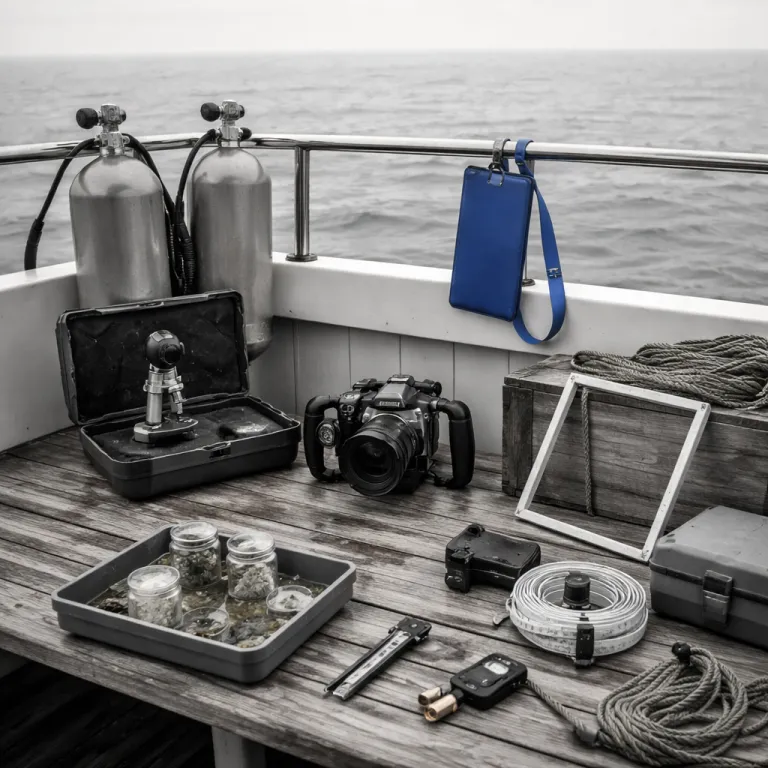
Why scuba diving Bazaruto belongs on your luxury Mozambique itinerary
Scuba diving Bazaruto is not about ticking off another reef on a long Africa itinerary. This stretch of Mozambique offers a rare combination of protected marine life, low diver numbers, and high end lodges that understand conservation as more than a marketing line. For a solo explorer planning a premium stay, the Bazaruto Archipelago delivers a diving trip where every dive and every night ashore feels purposefully curated.
The archipelago lies off Vilanculos in southern Mozambique, a short hop from South Africa yet psychologically far from crowded Africa Mozambique resort strips. Five main islands sit inside a national marine park of roughly 143 000 hectares, with Bazaruto Island and Benguerra Island hosting the most polished luxury properties. From your first boat ride out, you see why divers speak of Mozambique Bazaruto with quiet reverence ; dunes slide into turquoise shallows, and local skippers thread channels they have known since childhood.
For guests booking through a luxury and premium hotel platform, the question is not whether to dive, but how to structure days so that each dive day deepens your understanding of this ecosystem. Many high end lodges now pair classic two tank dives with guided snorkel sessions, turtle monitoring briefings, and evening talks on marine life led by researchers from the Bazaruto Center for Scientific Studies, often referred to simply as BCSS. This is scuba diving Bazaruto as an experience that shapes your whole stay, not just a daytime activity between beach lunches and air conditioning cooled suites.
Biologist led briefings that transform every dive in the Bazaruto Archipelago
On most tropical islands, a pre dive briefing covers hand signals, maximum depth, and where the reef sharks usually cruise. Around the Bazaruto Archipelago, a biologist led briefing with BCSS or a similarly serious operator will add seagrass ecology, dugong behaviour, and how to log sharks rays sightings for ongoing research. The result is that each dive, and the dives that follow across several days, become part of a living trip report rather than a string of unconnected underwater snapshots.
The Bulldog Divers, operating out of Vilanculos, run daily double tank reef dives day after day across a network of research verified dive sites that they share with BCSS scientists. Azura Retreats on Benguerra Island offers its own diving Mozambique programme, where marine biologists join selected dives and snorkel trips to explain why certain fish cluster on one bommie while manta rays prefer another cleaning station. Between dives, you might sit on the boat deck with a hot drink while a south African researcher scrolls through tablet images, matching what you have just seen with long term data from Africa Mozambique surveys.
For luxury travelers used to generic guided dives, the difference is immediate and tangible. You will start to recognise individual reef sharks by markings, notice subtle shifts in marine life when currents change, and understand why BCSS asks guests to report even casual humpback whales sightings during the migration season. This depth of context elevates scuba diving Bazaruto from a pleasant holiday dive to a meaningful diving trip that justifies choosing Mozambique over more crowded parts of Africa or South Africa.
Dugongs, manta rays and reef sharks: realistic expectations for marine life encounters
One of the strongest reasons to plan a scuba diving Bazaruto stay is the archipelago’s status as home to the region’s last viable dugong population. Operators are careful to manage expectations ; dugong encounters remain rare, shallow, and entirely on the animals’ terms, often during a quiet boat ride over seagrass meadows rather than on a deep dive. Guides will brief you on behaviour cues, such as subtle surface ripples and feeding trails, so that if a dugong appears your group reacts calmly and respectfully.
More predictable are the classic Indian Ocean stars that make diving Mozambique so compelling for experienced guests. On outer reef dive sites, you can expect regular encounters with reef sharks, turtles, and dense schools of fish, while manta rays glide through cleaning stations on certain days when currents and plankton align. During the cooler months, humpback whales pass through the Mozambique Bazaruto corridor, and even if you are not in the water with them, their blows and tail slaps often soundtrack your dives day after day.
Luxury lodges on Benguerra Island and Bazaruto Island typically tailor each diving trip to your certification level and appetite for adventure. Advanced divers might request deeper wall dives with stronger currents, while newer guests opt for gentler reef dives closer to the island and then share stories over a beach dinner under the stars at the end of the day. As one local FAQ puts it with refreshing clarity, “Divers can see dugongs, turtles, manta rays, and various fish species.”
Inside conservation focused operators and how to choose the right luxury base
For travelers using a premium booking website, the key decision is which island lodge and which dive operator will align with your values. The Bulldog Divers specialise in daily double tank reef dives around the Bazaruto Archipelago, while BCSS combines a research station with a dive center that gives guests access to sites chosen for scientific as well as recreational value. Azura Retreats on Benguerra Island integrates diving equipment, ocean safaris, and guided marine walks into a broader conservation narrative that runs through each day of your stay.
Serious conservation work here is not theoretical ; BCSS maintains coral nurseries that certified divers can visit between standard dives, and some lodges support turtle monitoring programmes where guests help log nesting activity after night patrols. When you book, ask specifically how the property supports these initiatives, how many dives per day they realistically run in peak season, and whether local guides are employed year round rather than only on busy days. A transparent answer signals that your diving trip will contribute to long term marine life protection rather than just funding glossy brochures.
On the comfort side, most luxury properties in Vilanculos and on Benguerra Island offer spacious villas with air conditioning, private plunge pools, and direct beach access, which matters after a long day on the water. Some south African and south African based guests pair a safari with a few days here, using the archipelago as a soft landing after bush dust and game drives. If you care as much about what is on your plate as what you see underwater, read our guide to peri peri prawns at the source for an in depth look at how Mozambique’s lodges handle the country’s culinary signature between dives.
Designing your Bazaruto diving day, plus options for non divers
A typical scuba diving Bazaruto schedule starts early, with a light breakfast before your first boat ride out to the reef. Most operators plan two dives per day, sometimes three on request, with surface intervals spent drifting off a sandbank or anchored in the lee of an island while you warm up in the sun. Solo travelers often appreciate how these compact groups create an easy social rhythm, with conversations about fish behaviour and sharks rays encounters flowing naturally between dives.
Non divers or those taking a rest day have no shortage of ways to engage with the archipelago. Snorkel trips to shallow reefs near Benguerra Island reveal much of the same marine life, from clouds of reef fish to the occasional turtle, and do not require full scuba diving equipment or certification. Many lodges also offer horseback riding along the beach, dhow cruises at sunset, and guided island walks that explain how local communities balance fishing livelihoods with the strict rules of the marine park.
For a balanced stay, consider alternating intense diving days with slower paced days focused on the island itself. One day you might log three dives and fall asleep early after a quiet dinner, while the next night you stay up late listening to local musicians after an afternoon of horseback riding and a gentle snorkel. Over several days, this rhythm lets you absorb both the underwater richness of Africa Mozambique and the cultural texture of coastal Mozambique without feeling rushed or over scheduled.
Practical planning tips for luxury travelers heading to Vilanculos and Bazaruto
Planning a scuba diving Bazaruto trip through a high end booking platform starts with timing. Conditions for diving Mozambique are generally best from May to October, when visibility is higher and seas are calmer, although warmer water later in the year can appeal to guests who feel the cold even in air conditioning cooled rooms. Whenever you choose to travel, book dives in advance, check weather forecasts with your operator, and respect all marine park regulations once you arrive.
Most international guests route through Johannesburg in South Africa before flying to Vilanculos, where lodge representatives or local transfer companies meet you for the short hop by boat ride or light aircraft to your chosen island. Luggage allowances on these smaller planes can be tight, so consider renting high quality diving equipment on site rather than carrying a full kit, especially if your stay is only a few days. Serious operators like The Bulldog Divers and BCSS maintain well serviced gear, and many south African repeat guests now travel with only masks and computers to keep packing simple.
Insurance and certification are non negotiable for any diving trip in Africa. Bring proof of your highest qualification, logbook, and a recent medical if required, and be honest about your experience so that guides can match you with appropriate dive sites around Mozambique Bazaruto. With these basics in place, you free yourself to focus on the real reason you came here ; long, unhurried days where the only decisions are which reef to dive next and whether to end the night under the stars or in the quiet cool of your villa.
FAQ
What is the best time of year for scuba diving Bazaruto ?
The most reliable conditions for scuba diving Bazaruto run from May to October, when seas are generally calmer and underwater visibility is higher. Outside this window, water temperatures rise and short rain showers become more common, but many divers still enjoy warm, clear days. Whenever you travel, check local forecasts with your operator and be prepared for occasional weather related schedule changes.
Do I need to be an experienced diver to enjoy the Bazaruto Archipelago ?
Bazaruto caters to a wide range of experience levels, from newly certified divers to technical enthusiasts. Several operators, including BCSS affiliated centers and Azura Retreats, offer PADI courses and guided dives tailored to beginners who want extra support. More advanced guests can request deeper or more challenging dive sites, provided their certification and recent experience match the planned profiles.
Can non divers still enjoy a luxury stay in Vilanculos or on Benguerra Island ?
Non divers have plenty to do around Vilanculos, Bazaruto Island, and Benguerra Island, even if they never put on a tank. Snorkeling on shallow reefs, dhow cruises, horseback riding along the beach, and guided cultural visits to local villages all fill days with meaningful experiences. Many couples and groups mix divers and non divers, using flexible daily schedules so everyone can share meals and evenings together.
How likely am I to see dugongs, manta rays, or reef sharks ?
Dugong encounters remain special and relatively rare, as these shy mammals feed in shallow seagrass areas and are strictly protected. Manta rays and reef sharks are more regular visitors on certain outer reef sites, especially when currents and plankton levels are favourable. Your operator will brief you honestly on current sightings so that expectations stay realistic while still leaving room for memorable surprises.
Which operators focus seriously on conservation in Mozambique Bazaruto ?
BCSS leads scientific research in the Bazaruto Archipelago and partners with selected dive centers to share data and monitor marine life. The Bulldog Divers and Azura Retreats both integrate conservation messaging into their daily operations, from coral nursery visits to turtle monitoring support. When booking through a luxury platform, ask properties to explain their specific conservation projects so you can choose a stay that aligns with your values.