Marine reserve at nuarro lodge Mozambique that goes beyond marketing
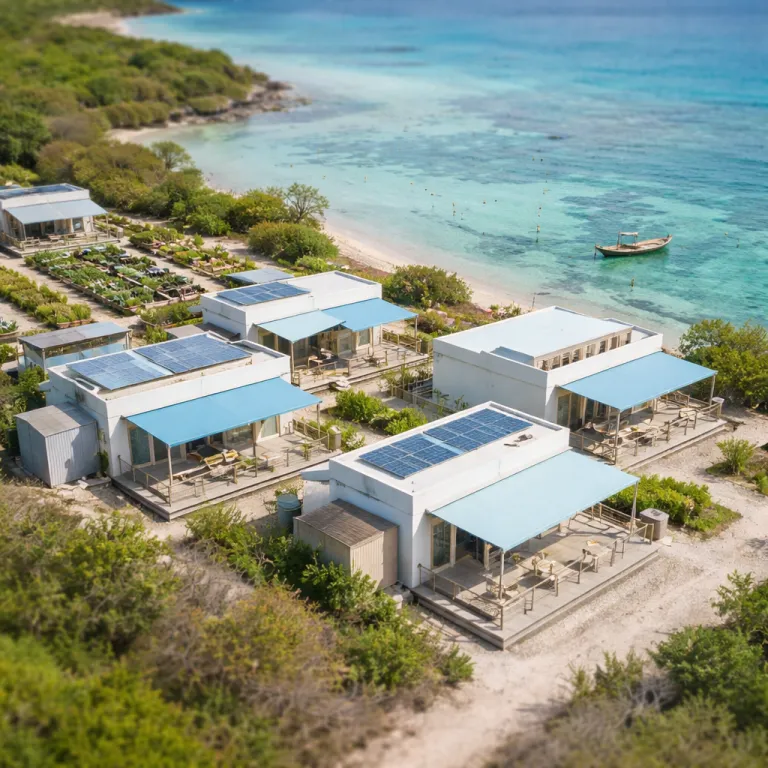
Nuarro Lodge, Mozambique sits on the Baixo do Pinda Peninsula in northern Mozambique, facing the Bay of Nanatha and a stretch of sea that experienced divers quietly rank among the region’s most intact. The lodge was built with local materials and runs primarily on solar power, but its defining move was to help establish a community-enforced no take marine reserve that runs for roughly 900 metres along the bay and extends about 150 metres offshore, protecting fringing reef, seagrass and the sandy shallows where juvenile fish shelter. According to lodge information and a 2019 feature in Scuba Diving Magazine, the Nuarro Marine Reserve in collaboration with the local community covers approximately 3,000 feet along the Bay of Nanatha and extends roughly 500 feet seaward, a compact but carefully monitored strip that concentrates protection where reef life is most vulnerable and where visibility regularly exceeds 20 metres in season.
The marine reserve at this eco friendly lodge is co managed with local people from nearby villages, who agreed to stop fishing inside the protected zone in exchange for training, jobs and a share of tourism revenue. That community stake matters more than the exact acreage, because enforcement here depends on the same fishermen who once worked these waters and now guide diving and snorkeling activities from the beach. Lodge reports note that more than a dozen community members now work directly in marine activities, from boat handling to guiding, and local fisheries committees meet regularly with lodge managers to review catch data from outside the reserve. For travelers planning a trip focused on diving rather than nightlife, this remote area offers rare underwater visibility, minimal boat traffic and a sense of space that many coastal properties closer to Pemba or Vilanculos can no longer match.
For guests, the impact of this collaboration is felt on every dive and every surface interval day, from the coral gardens just off the beach to deeper walls accessed by boat in the bay. The lodge team limits group sizes for each underwater activity, typically keeping dive groups to four to six people, so independent visitors are not folded into large, anonymous excursions and can instead work closely with the diving crew on buoyancy, navigation or photography. Compared with more trafficked reefs near Pemba, the density of reef fish, regular encounters with turtles and the chance of seeing larger pelagics in this part of Mozambique give Nuarro a conservation depth that is visible in the water column, not just claimed in brochures.
From regenerative fields to the plate at nuarro lodge
While many coastal properties in Mozambique talk about farm to table cuisine, Nuarro Lodge, Mozambique has gone further by helping launch what local partners describe as the region’s first Regenerative Agriculture Resilience Hub for farmers in the surrounding area. The hub focuses on soil health, water retention and climate smart crops, giving local people practical tools to secure food supplies while supplying the lodge kitchen with fresh produce. Established in the late 2010s with support from agronomists working in Nampula Province, the project now involves several dozen smallholder farmers who track yields and soil improvements season by season. For a guest arriving from Nampula or Pemba after a long transfer, the first plate of vegetables grown a few kilometres from the sea feels less like a concept and more like a direct link between the rooms, the farmers’ fields and the land outside.
The chalets at this lodge were built local style along a two kilometre beach, each designed to frame views of the bay and the open sea while remaining naturally ventilated. With only around a dozen chalets spaced along the sand, the scale stays intimate, and that same design logic extends to the menu, where seasonal ingredients from the regenerative hub shape the day’s activity around meals, from breakfast fruit to greens served with grilled fish caught outside the marine reserve. Compared with Ossimba Beach Lodge near Pemba, which supports conservation through a more traditional protected area model and a separate supply chain, Nuarro Lodge, Mozambique now ties its conservation story to what guests actually eat and the farmers they may meet on visits, not only to what they see while diving.
Azura Benguerra in the Bazaruto Archipelago has long been a reference point for high end conservation led stays in Mozambique, with strong marine protection and community projects but a more classic island villa format and higher nightly rates. By contrast, Nuarro Lodge offers simpler rooms and chalets, generally in the mid range price bracket for northern Mozambique, yet a deeper integration between the regenerative fields, the bay and the daily rhythm of guest activities, which will appeal to travelers who value substance over frills. Those planning a refined stay in northern Nampula can pair Nuarro with a night in Pemba’s more polished coastal hotels, using a guide to coastal elegance in Pemba to balance logistics and comfort before heading off grid.
Solo logistics and why nuarro now sets the northern benchmark
Reaching Nuarro Lodge, Mozambique requires intention, which is precisely why it suits independent travelers who prefer a quieter trip. Access runs via Nampula or Pemba, followed by a road transfer of roughly four to six hours to the Baixo do Pinda Peninsula depending on conditions, so the lodge team usually coordinates timings to avoid long waits and to ensure people arrive in daylight. Once there, the layout of the chalets along the beach and the compact number of rooms mean guests travelling alone can choose between privacy and low key social time around shared activities such as kayaking, dhow sailing or cultural visits to meet local people involved in the marine reserve and the farming hub.
Daily life at this lodge is designed around the sea and the bay rather than around a pool or bar scene, which makes it ideal for travelers who want to dive, read and walk the beach rather than chase nightlife. A typical day might start with an early shore dive on the house reef, followed by a few hours of work or rest in a chalet built local style, then an afternoon activity such as a village walk, a regenerative agriculture visit or a second dive before dinner. For broader planning across the Nampula coast, solo explorers can use a specialist guide to planning a refined stay in Nampula to decide how many nights to allocate here versus time in town.
On a national level, Nuarro now sets a new bar for what sustainable coastal stays in northern Mozambique should mean, because the marine reserve and the regenerative agriculture hub are structurally tied to how the lodge operates every day rather than treated as side projects. The activities on offer, from diving to dhow trips and farm visits, are not add ons but the direct result of long term agreements with local people who co own the conservation outcomes through employment, training and revenue sharing. Travelers comparing Nuarro Lodge, Mozambique with heritage focused island stays can look to curated overviews of Mozambique island stays for discerning travelers and then decide whether this off grid, community anchored model is the coastal retreat that best matches their values.