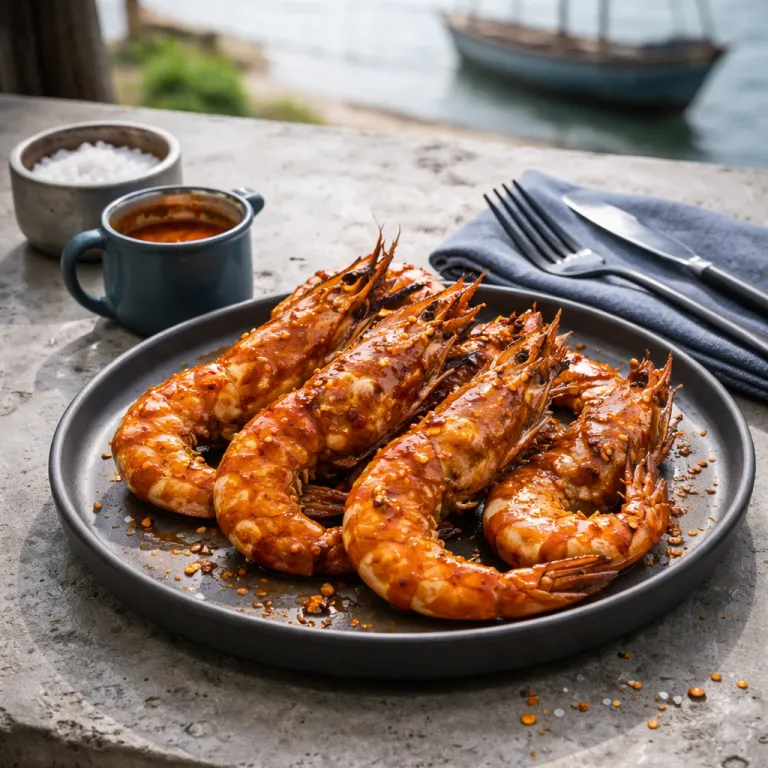
Why peri peri prawns in Mozambique taste different at luxury hotels
Peri peri prawns in Mozambique begin with the chilli itself: small, sun hardened and intensely aromatic African bird’s eye peppers, known locally as piri‑piri. In Maputo and along the Bazaruto Archipelago, chefs such as João Matola at Zambi and Celso Cossa at Azura Benguerra talk about how this local peri has a slow building heat that lingers rather than burns, which changes how they balance the sauce against the sweetness of prawns and shrimp. That balance is what separates a perfunctory hotel plate from the best coastal kitchens, where every brush of peri sauce is calibrated to the day’s catch, the size of the crustaceans and the guest in front of them.
In high end properties, the base sauce is almost always oil based, with olive oil or neutral oil carrying garlic, crushed peppers and a bright hit of fresh lemon juice rather than heavy vinegar. Chefs rarely follow a rigid recipe; instead they work with loose ratios that start with a few teaspoons of finely chopped red bell chilli, a teaspoon of kosher salt, and then add remaining aromatics like bay leaves and fresh pepper according to the prawns they have in the marinating bowl. Average preparation time stays close to the traditional thirty minutes for marinating and another fifteen minutes to cook over high heat on the grill, a rhythm echoed in many hotel menu descriptions and chef interviews.
One Maputo chef at the Polana Serena Hotel, executive chef Carlos Silva, summed it up simply when asked what defines the local style; he said, “What is peri peri sauce? A spicy sauce made from chili peppers, garlic, and lemon, but in Mozambique we let the prawns speak first.” That definition sounds basic, yet in Mozambique the context matters, because the same peri sauce brushed on a line caught tiger prawn tastes different from a South African farmed shrimp cooked in a steel pan. Luxury hotels that respect this nuance let guests taste the difference between prawns taken from nearby waters and imported shrimp, and they explain why the ingredients, the provenance of the seafood and the way they cook over high heat change the entire experience.
The technique: how lodge kitchens handle heat, pans and precise seasoning
Step behind the pass at a serious coastal lodge and you will not see a complicated recipe card for peri prawns taped to the wall. Instead, you will see a mise en place of ingredients laid out with almost ritual care; bowls of chopped bell pepper and red bell chilli, ramekins of kosher salt, tiny jugs of olive oil and hot sauce, and a tray of prawns and shrimp still smelling faintly of the Indian Ocean. The chefs know that once they add oil to the pan and bring it to temperature, they have only a few minutes of cooking time to get everything right, so they rely on repetition and touch rather than written instructions.
The base technique is consistent from Maputo to the Quirimbas: a short marinating stage, then grilling or pan searing over high heat rather than simmering. In most hotel kitchens the process looks like this:
- Marinate: Add shrimp and prawns to a bowl with peri sauce, crushed garlic, a squeeze of lemon juice and a measured tablespoon of oil, then leave it for the standard half hour that local culinary tradition has settled on.
- Preheat: When service calls, heat olive oil in a heavy pan or on a flat‑top grill until it shimmers but does not smoke.
- Build flavour: Scatter in peppers and bay leaves for a few seconds, then pour in the remaining marinade so the sauce reduces slightly.
- Cook fast: Add the prawns and cook just until the shells blush and the flesh turns opaque, usually three to five minutes depending on size.
Salt is where the luxury kitchens quietly separate themselves, because they use kosher salt for its clean flavour and predictable grain size, adjusting by a quarter teaspoon at a time instead of grabbing a random pinch. Some chefs prefer to finish with lemon wedges and a last brush of hot sauce at the table, letting guests decide how much extra heat they want, while others plate the Portuguese style, with the peri sauce reduced to a glossy coating. Either way, the focus stays on letting the natural sweetness of the prawns lead, with the peri providing structure and aroma rather than a blunt blast of heat that overwhelms the seafood.
Three hotel kitchens that redefine peri peri prawns in Mozambique
On Benguerra Island, one of the standout lodge kitchens at Azura Benguerra treats peri peri prawns Mozambique as a nightly ritual rather than a menu item. The lodge’s beach grill menu lists “Benguerra Piri‑Piri Tiger Prawns” by weight, and guests choose their prawns and shrimp from a chalkboard of ingredients that lists the day’s catch from local fishermen by boat name and landing time, then watch as chefs brush on a citrus bright peri sauce before the skewers hit the grill. The cooking time is short, usually under ten minutes, but the theatre of the process, from the first sizzle of oil in the pan to the final squeeze of lemon juice, is what guests remember and often mention in post‑stay reviews.
In Maputo, several waterfront hotels work closely with seafood suppliers and nearby markets such as Mercado do Peixe to keep their prawns list changing with the tides, and this is where the urban version of the Portuguese dish comes into its own. At places like Southern Sun Maputo and Radisson Blu, the chefs often use a cast iron pan over high heat, searing prawns with red bell and bell pepper, then finishing with a tablespoon of olive oil and a measured teaspoon sprinkle of kosher salt to keep the flavours clean. Plates arrive with lemon wedges, a side of rice or xima, and just enough hot sauce on the rim so guests can adjust the heat to taste without masking the flavour of the shellfish.
Farther north, in lodges that look towards South African travellers as much as international guests, the kitchens sometimes nod to the work of food stylists like Sam Linsell, plating peri prawns in ways that feel ready for a magazine spread, with enamel dishes, charred lemon halves and brushed‑on peri streaks. Yet the substance is there; the chefs still respect the traditional half hour of marinating, still cook over high heat for only a few minutes, and still rely on bay leaves and fresh peppers to give depth to the sauce. These are the places where a guest booking a premium villa can expect a quiet conversation with the chef about which peri recipes work best with that evening’s prawns, whether to use a pan or open coals, and why the pan choice matters as much as the chilli.
Daily catch boards, skippers and how to order like an insider
In the best coastal hotels, the story of peri peri prawns Mozambique starts long before the pan heats up. It begins at dawn with local fishermen bringing in crates of prawns and shrimp, while the lodge’s culinary équipe checks size, freshness and how the catch will take to peri sauce later that evening. By the time you walk past the daily catch board at lunch, the chefs already know which ingredients will be grilled, which will be pan seared and which will be held back for other Portuguese recipes such as garlic butter prawns or seafood rice.
When you see a board listing prawns, line fish, crayfish and octopus, ask the skipper or the chef two simple questions. First, which prawns were caught closest to the lodge, because those usually handle high heat and direct flame better, keeping their texture when you cook them for several minutes over the coals. Second, how strong is today’s peri, since the heat of the peppers can vary with the season and with different suppliers, and that will determine whether they pair shrimp with a milder sauce or brush on a more assertive hot sauce before grilling.
Ordering like an insider means being specific about how you want the kitchen to handle the balance of oil, salt and citrus. You can request that they cook the prawns in olive oil in a pan instead of grilling, or ask them to add most of the marinade only at the end so the prawns stay lightly coated rather than drenched. In properties that take their gastronomy seriously, such requests are welcomed and often noted on your guest profile, because they show you understand that the best version of this Portuguese dish is a collaboration between guest, chef and the sea just beyond the hotel’s deck.
Tourist traps, overdone heat and how to choose the right hotel table
Not every plate of peri peri prawns Mozambique served along the coast deserves your appetite or your budget. Some hotel restaurants lean on an all purpose hot sauce, pouring it over overcooked prawns and shrimp and calling it a house recipe, with little regard for the subtleties of local peri or the quality of the ingredients. You can usually spot these places by their laminated menus, lack of a daily catch board and an over reliance on imported South African seafood rather than working with nearby fishermen or established Maputo fish markets.
In contrast, the luxury and premium properties curated on MyMozambiqueStay tend to treat peri prawns as a signature expression of place, not a generic Portuguese dish or a copy of a South African chain restaurant plate. When you read our guide to cultural immersion for discerning travellers, you will notice how often we mention chefs who adjust the teaspoon of salt, the tablespoon of olive oil and the balance of peppers according to what the sea has given them that morning. These are the kitchens where the pan is hot but never smoking, where they cook just until the prawns are done, and where lemon wedges arrive on the side so you can control the final hit of lemon juice.
To avoid overdone versions, look for menus that specify approximate preparation times and cooking methods, and do not be shy about asking whether they use kosher salt, bay leaves and fresh red bell chilli in their peri sauce. A confident chef will happily explain how they heat the oil, when they add shrimp to the pan and how they finish with a little extra marinade at the end to keep flavours bright and the peri aroma vivid. Choosing these tables, in hotels that respect both Mozambican culinary heritage and modern expectations of quality, is what turns a simple plate of prawns into a defining memory of your stay in Mozambique.
FAQ
How long do luxury hotel kitchens usually take to prepare peri peri prawns?
Most serious hotel kitchens in Mozambique follow the traditional rhythm of around thirty minutes of marinating and about fifteen minutes of active cooking. That means your total time from order to plate often sits just under an hour, depending on how busy the dining room is and whether the prawns are cooked to order. The key is that they do not rush the marinating stage, because that is when the peri sauce, garlic and citrus penetrate the prawns and season them all the way through.
What is typically served alongside peri peri prawns in Mozambican hotels?
Across Maputo and the islands, peri prawns usually arrive with rice, xima or grilled vegetables, plus lemon wedges for extra acidity. Some luxury properties add a small salad of bell pepper and red bell chilli to echo the flavours in the sauce, or a simple green salad dressed with olive oil. The sides are kept simple so the sweetness of the prawns and the controlled heat of the peri remain the focus rather than being crowded by heavy accompaniments.
How can I tell if a hotel uses fresh local prawns rather than imported shrimp?
Hotels that work with local fishermen tend to display a daily catch board and can tell you exactly where the prawns were caught, often naming the bay or island. When you ask, staff should be able to explain which ingredients came from nearby waters and how they plan to cook the seafood over high heat or on the grill, sometimes even mentioning the supplier or co‑operative. If answers are vague and the menu never changes, there is a good chance the seafood is imported or frozen rather than landed that morning.
Are peri peri prawns always very spicy in Mozambique’s luxury hotels?
Spice levels vary, but high end kitchens usually aim for layered heat rather than overwhelming fire. Chefs adjust the amount of peri and other peppers in the sauce, then let guests add extra hot sauce or chopped chilli at the table if they want more intensity. If you prefer milder flavours, you can always ask the kitchen to reduce the amount of chilli during cooking or to serve the peri sauce on the side so you can control each bite.
Where should I sit if I want to watch the cooking process?
Many coastal lodges and city hotels offer counter seating near the open kitchen or grill, especially when peri prawns are a signature dish on the menu. Ask at reception or when booking your table whether you can sit where you can see the pan, the grill and the chefs at work, or whether they offer a chef’s counter experience. Watching them heat the oil, add shrimp and finish with a squeeze of lemon juice is part of the pleasure of eating peri peri prawns in Mozambique and helps you appreciate the precision behind a seemingly simple plate.