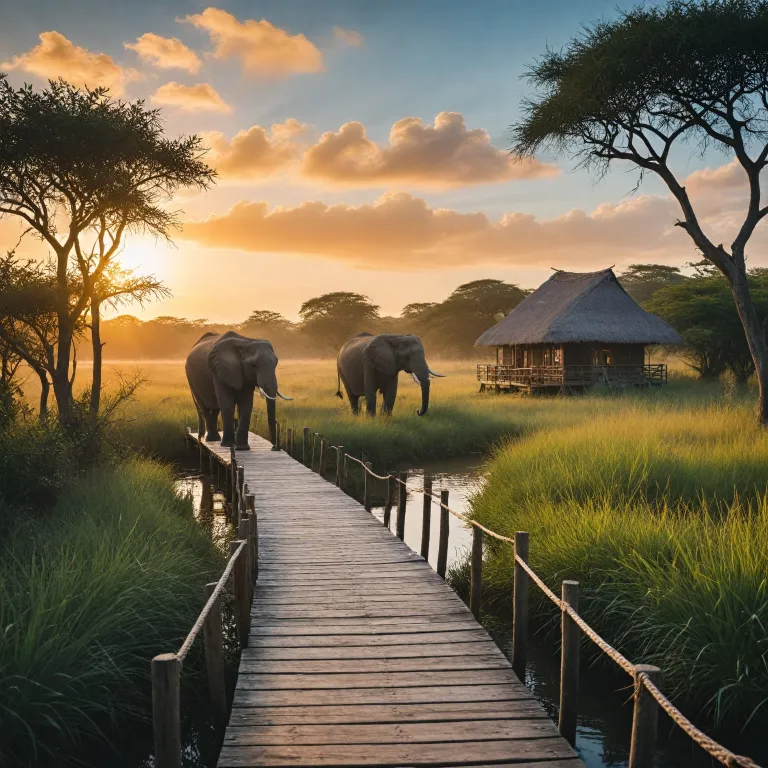
Why a Mozambique safari pairs so well with coastal luxury
A Mozambique safari appeals to travelers who want both wilderness and refined comfort. In this part of Africa, you can move from a lion filled park to a tranquil island lodge in a single day, creating a rare bush and beach balance that feels seamless rather than rushed. For guests using a luxury and premium hotel booking website in Mozambique, the challenge is choosing how to structure a trip that respects both wildlife and the coast.
The country’s national park network has been rebuilt with care after years of conflict. Gorongosa National Park, Maputo National Park, and the vast Niassa Reserve now anchor many safaris, while conservation partners such as Peace Parks Foundation support long term protection of habitats and wildlife. This renewed focus on eco tourism means your stay can directly support anti poaching work, habitat restoration, and community projects that depend on responsible travel.
Greg Carr, an American philanthropist, “invested over $100 million in Gorongosa National Park's restoration.” His commitment helped transform Gorongosa National Park into a flagship destination for an African safari that values science, community engagement, and guest education. When you book a lodge or tented camp here through a curated platform, you are not only securing a memorable stay but also contributing to the park’s ongoing recovery.
Luxury travelers often combine several parks and islands in one itinerary. A typical safari Mozambique journey might start in the south near Maputo National Park, continue to Gorongosa National Park for immersive game viewing, then end on a beach facing the Indian Ocean. Throughout, a well designed booking website should clarify transfer times, day by day logistics, and the best time to visit each region.
Designing a Mozambique safari itinerary from airport to lodge
Planning a Mozambique safari begins long before you reach the first park gate. Most international travelers route through Johannesburg or Cape Town in South Africa, then connect to Maputo, Vilanculos Airport, or other regional hubs that serve the main safari and island areas. A premium booking website should clearly map these airport connections so you can see how each flight affects your first day in Mozambique.
From Maputo, you can access Maputo National Park in the south for a short safari that fits neatly into a longer beach focused trip. This national park combines coastal dunes, wetlands, and forest, making it ideal for a one or two day Mozambique extension before or after time on the Indian Ocean. When comparing lodges, look for transfer details, including whether your stay includes guided game viewing drives or separate add on safaris.
Further north, Vilanculos Airport is the main gateway for the Bazaruto Archipelago and nearby mainland town stays. From here, boat or helicopter transfers carry guests to Benguerra Island, where properties such as Azura Benguerra offer refined bush beach combinations with access to both marine life and inland excursions. A sophisticated booking platform should highlight which lodges pair best with specific parks, and link to a guide on the best luxury hotel amenities in Mozambique so you can align expectations with reality.
For travelers who value detailed planning, filters for park proximity, national park access, and private tented camp options are essential. The ability to pre book internal flights, transfers, and even a full review based consultation can turn a complex safari Mozambique itinerary into a smooth, enjoyable trip. This level of clarity builds trust and helps you understand how each lodge, island, and town stay fits into your overall travel goals.
Balancing national parks, wildlife, and coastal islands in one trip
The deepest appeal of a Mozambique safari lies in how easily you can combine national park wildlife with island and beach stays. In the central region, Gorongosa National Park offers classic game viewing with elephants, lions, and diverse birdlife, while the nearby highlands and wetlands create a rich backdrop for multi day safaris. After several days in the bush, many guests fly onward to the coast for a softer, slower stay on the Indian Ocean.
To the north, the Quirimbas Archipelago offers a different style of island experience, with remote lodges and strong cultural ties to historic coastal towns. Here, marine life thrives in warm waters, and a day trip might include snorkeling, dhow sailing, or guided tours of mangrove lined channels. A well structured booking website should explain how these archipelago stays complement time in a national park, helping you decide whether to prioritize bush beach balance or a more wildlife focused itinerary.
In the south, Maputo National Park links easily with coastal resorts and town based hotels, making it ideal for shorter safaris or family trips. You might spend one day Mozambique exploring the park’s lakes and forests, then return to a beach lodge where spa treatments and fine dining await. For a broader overview of coastal options, many travelers consult a refined guide to luxury and premium stays along the Indian Ocean before finalizing their bookings.
Throughout Mozambique, the key is to align your stay length with travel distances between parks, islands, and airports. A thoughtful booking platform should suggest realistic day by day plans, including when to fly, when to drive, and how many safaris to schedule in each national park. This approach ensures your Mozambique safari feels unhurried, immersive, and tailored to your style of travel.
Choosing lodges, tented camps, and town stays for a Mozambique safari
Selecting the right lodge or tented camp is central to any Mozambique safari, especially when using a luxury and premium hotel booking website. In Gorongosa National Park, properties range from classic safari lodges to more intimate tented camp options that place you close to wildlife while still offering comfort. A reliable platform should provide a full review of each stay type, including room categories, guiding quality, and how each property supports conservation.
On Benguerra Island, Azura Benguerra exemplifies the bush beach concept, with villas that open directly onto a white sand beach while still offering guided safaris and inland tours. Here, marine life and game viewing can be combined in a single trip, allowing guests to snorkel in the morning and explore the island’s interior later in the day. When comparing island lodges across the Bazaruto Archipelago, look for clear information on reef access, conservation fees, and the best time for specific activities.
Further north, the Quirimbas Archipelago offers lodges that feel more remote, often reached by boat from a coastal town or regional airport. These properties may pair well with a prior stay in a national park, creating a layered African safari that moves from inland wildlife to offshore islands. A sophisticated booking website should highlight which combinations of park, island, and town stays work best for different lengths of trip.
For travelers who prefer some urban energy, nights in Maputo or another coastal town can frame the start or end of a Mozambique safari. These stays allow easy access to airports, restaurants, and cultural sites, while still keeping you within reach of nearby parks and beaches. Clear, honest descriptions of each lodge and town hotel build trust and help you book with confidence.
Seasonality, logistics, and cross border combinations with South Africa
Understanding seasonality is essential when planning a Mozambique safari that includes both national park game viewing and island stays. The dry season, from roughly May to October, is widely regarded as the best time for wildlife viewing because vegetation is thinner and animals concentrate around water. During these months, many travelers design longer safaris that link Gorongosa National Park, Maputo National Park, and coastal islands in a single trip.
In the wetter months, the landscape turns lush and green, which can be beautiful for photography and birding but may reduce some game viewing visibility. However, this period can be appealing for guests who prioritize quieter lodges, lower occupancy, and more flexible day by day schedules. A transparent booking website should clearly explain how each season affects park access, road conditions, and the overall feel of your stay.
Many travelers combine South Africa and Mozambique in one African safari, using Johannesburg or Cape Town as international gateways. After a classic Kruger or private reserve experience in South Africa, guests often fly to Vilanculos Airport or Maputo to continue their safari Mozambique journey with a stronger focus on beach and marine life. A well designed platform should outline sample tours that show how to move smoothly between a South African national park and a Mozambique island or coastal lodge.
Because logistics can be complex, especially when crossing borders or linking multiple parks and archipelagos, expert support is valuable. Look for booking services that offer tailored advice, realistic transfer times, and clear information on visas, luggage limits, and internal flights. Midway through your research, it can be helpful to consult a detailed article on luxury islands and coastal elegance in Mozambique to refine your ideas before finalizing reservations.
How luxury booking platforms support conservation and community in Mozambique
A thoughtful Mozambique safari is not only about personal comfort ; it is also about the impact your stay has on parks, wildlife, and local communities. Many lodges in Gorongosa National Park, Maputo National Park, and the wider archipelagos now channel a portion of their revenue into conservation and community projects. A responsible booking website should highlight these initiatives clearly so you can choose properties that align with your values.
Across Mozambique, conservation partners use tourism income to fund anti poaching patrols, habitat restoration, and education programs. In Gorongosa National Park, for example, long term investment has helped restore wildlife populations and create new opportunities for nearby communities. When you book a lodge, tented camp, or island stay that supports such work, your trip becomes part of a broader story of ecological recovery.
Community based tourism is also growing, with guided tours led by local residents in towns near parks and along the coast. These experiences can deepen your understanding of daily life in Mozambique, from traditional fishing practices to modern conservation challenges. A premium booking platform should present these options alongside classic safaris, allowing you to balance game viewing with cultural encounters.
Transparency builds trust, especially for travelers investing in a high end Mozambique safari that spans multiple parks, islands, and days. Look for platforms that provide clear breakdowns of park fees, conservation levies, and how your stay contributes to long term projects. By choosing carefully, you help ensure that Mozambique’s national parks, archipelagos, and coastal towns continue to thrive for future safaris and trips.
Key statistics for planning a Mozambique safari
- Gorongosa National Park covers approximately 3 770 km², offering varied habitats for multi day safaris and extended stays.
- Niassa Reserve spans about 42 000 km², making it one of Africa’s largest protected areas and a significant stronghold for wildlife.
- Maputo National Park extends over roughly 1 718 km², combining coastal, wetland, and forest ecosystems in the south of Mozambique.
- The estimated African wild dog population in Niassa Reserve is around 350 individuals, highlighting its importance for endangered species.
- Gorongosa National Park receives about 800 mm of annual rainfall, shaping its seasonal patterns and influencing the best time for game viewing.
Essential questions about Mozambique safaris
What is the best time to go on a safari in Mozambique?
The dry season, from roughly May to October, is generally considered the best time for a Mozambique safari. During these months, cooler temperatures and reduced vegetation make wildlife easier to see around rivers and waterholes. This period is ideal if your trip focuses on national park game viewing before or after an island or beach stay.
What wildlife can I expect to see in Mozambique's national parks?
Depending on the park, you may encounter elephants, lions, leopards, African wild dogs, and various antelope species during your safaris. Birdlife is also rich, especially in wetlands and forested areas of Gorongosa National Park and Maputo National Park. A well planned itinerary can include several days in different parks to increase your chances of diverse wildlife sightings.
Are there luxury safari lodges in Mozambique?
Mozambique offers a growing selection of upscale lodges and tented camps, though options remain more limited than in some neighboring African destinations. Properties in Gorongosa National Park, the Bazaruto Archipelago, Benguerra Island, and the Quirimbas Archipelago provide refined stays that pair well with beach and marine life experiences. Using a specialized luxury and premium hotel booking website helps you compare these lodges and book the combination that best suits your travel style.