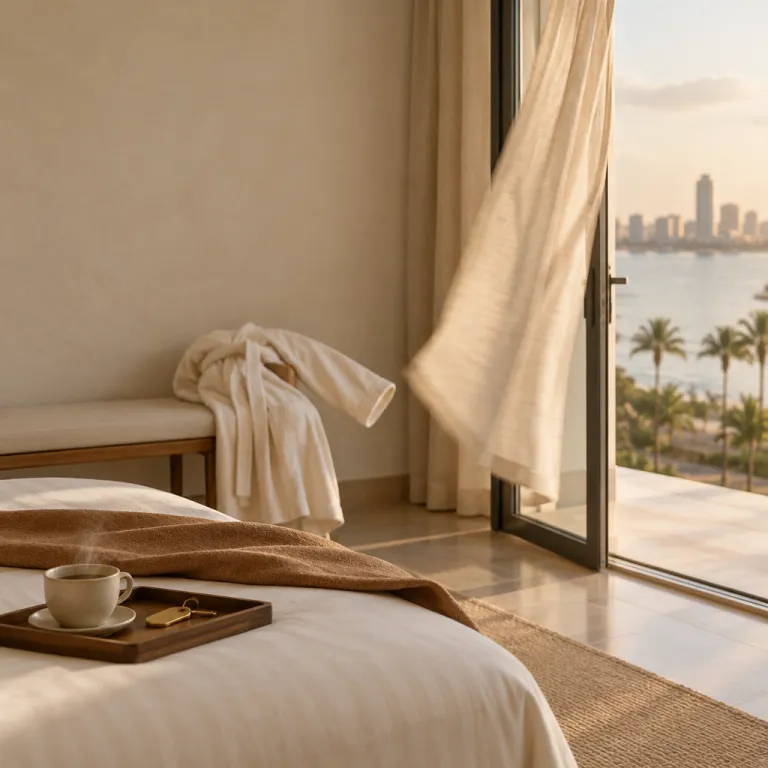
Maputo, the capital of Mozambique, as a refined urban escape
The capital of Mozambique, Maputo, offers a coastal city experience that blends Indian Ocean light with a distinctly Portuguese heritage. In this part of southern Africa, the country presents a rare mix of palm lined avenues, gracious buildings, and a relaxed rhythm that suits luxury travelers. Many visitors arrive for work with embassies, international companies, or the government, then quickly extend their stay to enjoy the town at leisure.
Maputo stretches along a wide bay, and the main waterfront districts give you easy access to both the historic centre and the newer business areas of the city. You will notice how the official language, Portuguese, flows alongside English and local languages such as Changana in hotels, restaurants, and markets. This multilingual atmosphere makes the Mozambican capital feel cosmopolitan yet small enough to navigate comfortably on a short stay.
Elegant hotels in the capital often occupy prime positions facing the water or landmark buildings city wide, which helps first time visitors orient themselves quickly. Many properties sit close to key government offices and consulates, so premium stays work well for business trips that need reliable services and secure environments. Leisure guests usually choose Maputo as their main gateway before continuing to the islands or coastal lodges elsewhere in Mozambique.
Luxury hotel landscape in Maputo city and where to stay
High end hotels in Maputo city cluster around the Polana, Sommerschield, and downtown Baixa districts, each offering a different style of urban escape. Along the clifftop, grand properties such as Polana Serena Hotel overlook Maputo Bay, combining historic architecture with contemporary interiors and polished service. In these areas of the Mozambican capital, you can walk between cafés, embassy buildings, and leafy streets that feel more like a small European town than a busy African port.
Closer to the centre, premium hotels stand near the main avenues and civic buildings city planners laid out during the Portuguese colonial period. This location suits travelers who want quick access to the central market, the railway station, and cultural venues while still returning to quiet rooms and attentive staff. Many of these properties work closely with local guides and drivers, so you can arrange tailored city tours that highlight both heritage architecture and modern change in Maputo.
For a curated overview of elegant stays in Maputo city, readers can consult this guide to where to book the finest hotels in Maputo. These recommendations focus on hotels that balance refined design, reliable Wi Fi, and thoughtful service, which matters when your trip mixes work and leisure. Whether you choose a landmark property near government ministries or a quieter address in a residential town quarter, the capital of Mozambique offers enough variety for both short stopovers and longer city escapes.
Architecture, Pancho Guedes, and the character of the Mozambique capital
One of the most distinctive pleasures of staying in the capital of Mozambique is exploring its architecture on foot. The city holds a remarkable collection of early twentieth century buildings, modernist experiments, and playful works by the architect Pancho Guedes. His full name, Amâncio d’Alpoim Miranda Guedes, appears in many local conversations about design, and his influence still shapes how visitors read the skyline of Maputo.
Several luxury hotels sit within walking distance of Guedes buildings, allowing guests to weave architectural walks into their daily routines. You might pass a small apartment block with sculptural balconies on your way to breakfast, then later visit the famous Smiling Lion building city landmark for photographs. These encounters help travelers understand how the Mozambican capital absorbed European modernism, local motifs, and African light into a single, coherent town identity.
Travelers planning high end stays often ask how to book a luxury hotel in Mozambique with confidence and transparent policies. For step by step advice on rates, cancellation rules, and seasonal change in availability, consult this expert guide on how to book a luxury hotel in Mozambique. Once your accommodation is confirmed, you can focus on walking tours that link government buildings, Guedes landmarks, and restored Portuguese era façades, which together tell the story of how this city became the capital of Mozambique.
City escapes, coastal detours, and combining Maputo with island luxury
Many travelers use the capital of Mozambique as a refined starting point before heading to quieter coastal retreats. After a few nights in Maputo city, with its galleries, restaurants, and historic buildings, guests often fly north to the Bazaruto Archipelago or other Indian Ocean islands. This combination lets you enjoy the cultural density of the national capital and then shift to a slower rhythm on remote beaches.
From Maputo, domestic connections link the city to Vilanculos, Pemba, and other gateways where small aircraft or boats continue to private island lodges. Travelers who appreciate architecture and urban life often schedule their work meetings or government appointments in the capital first, then reward themselves with several days of barefoot luxury. A carefully planned itinerary will balance time in the buildings city centre with time in nature, so you experience both sides of the country in one trip.
For those considering an island extension after staying in the capital, this detailed review of Azura Lodge on Benguerra Island offers a useful benchmark for premium standards. Pairing such a lodge with a polished hotel in Maputo city creates a journey that moves from Portuguese influenced avenues to coral reefs and mangrove channels. This contrast highlights how the Mozambican capital functions as both a practical hub and a sophisticated prelude to the wider landscapes of southern Africa.
Practical guidance for booking premium hotels in Maputo
When booking a luxury hotel in the capital of Mozambique, timing and clarity matter as much as design. Peak travel often aligns with regional holidays, major government events, and international conferences, which can tighten availability in the city. Planning several months ahead will secure better room categories, especially in properties with limited suites and panoramic views over Maputo Bay.
Most high end hotels in Maputo offer online booking engines, but many travelers still prefer to work through specialist agencies that understand the local market. These experts can advise on which side of the buildings city complex receives morning light, or which floor best balances views with quiet. They also monitor change in policies around check in, payment, and cancellation, which can shift when the country adjusts regulations or when individual town authorities update safety guidelines.
Language rarely becomes a barrier in the Mozambican capital, because staff in premium hotels usually speak Portuguese, English, and at least one local language. Still, it helps to confirm in advance if you require specific services such as early check in after a long haul flight or meeting rooms near government districts. Clear communication before arrival will ensure that your stay in the capital of Mozambique feels seamless from the first evening in the city.
Local culture, seasonal nuances, and how Maputo shapes your stay
Understanding the rhythm of life in the capital of Mozambique will help you choose the right neighborhood and hotel style. Maputo city follows a coastal pattern, with cooler sea breezes in the evening and a social scene that often centres on outdoor cafés and live music. Many luxury hotels respond to this climate with shaded terraces, generous pools, and architecture that encourages guests to linger outside.
The month of June often brings milder temperatures and clearer skies, which many travelers consider ideal for urban walks and rooftop cocktails. During this period, the Mozambican capital feels particularly pleasant for exploring government districts, waterfront promenades, and small galleries that showcase local artists. Some properties even organize curated outings that highlight how the city continues to change, from restored Portuguese villas to new glass fronted buildings city investors have recently completed.
Engaging with local culture in Maputo can be as simple as listening to live marrabenta music in a town venue or joining a guided visit to the central market. Hotel concierges will often recommend restaurants where chefs reinterpret traditional Mozambican dishes, pairing fresh seafood with influences from Portugal and other parts of Africa. By the time you leave the capital, the interplay between language, architecture, and daily life will likely become one of your strongest memories of the country.
Key statistics on tourism and premium stays in Maputo
- According to the World Travel & Tourism Council, travel and tourism contributed more than 7 % of Mozambique’s total GDP in recent years, underlining the economic importance of visitors choosing the capital of Mozambique and other destinations in the country.
- Data from the Mozambican government’s National Institute of Statistics shows that Maputo city and Maputo province together receive the highest share of international arrivals in the country, confirming the national capital as the main entry point for premium travelers.
- World Bank figures indicate that urbanization in Mozambique has been rising steadily, with Maputo at the centre of this change, which drives investment in new buildings, city infrastructure, and higher quality hotels.
- Regional aviation data from airlines operating in southern Africa highlight Maputo as a growing hub, with increased frequencies on routes linking the capital of Mozambique to Johannesburg and other regional cities, improving access for luxury and business travelers.
FAQ about luxury stays in the capital of Mozambique
Is Maputo safe for luxury travelers staying in the city centre ?
Central districts of Maputo city, especially areas around major hotels and government buildings, are generally considered safe when you follow normal urban precautions. Most premium properties provide secure access, professional security teams, and trusted taxi or driver services. Guests should still avoid walking alone late at night in quiet streets and keep valuables discreet.
Which neighborhoods in the Mozambique capital are best for high end hotels ?
Polana and Sommerschield are the most popular areas for luxury hotels in the capital of Mozambique, thanks to their sea views, embassies, and tree lined avenues. The downtown Baixa district also hosts several premium properties close to historic architecture and business offices. Your choice will depend on whether you prioritize waterfront scenery, proximity to work meetings, or quick access to cultural sites.
How many days should I spend in Maputo before heading to the islands ?
Many travelers find that two to three nights in Maputo provide enough time to adjust to the country, explore key buildings city highlights, and enjoy the restaurant scene. If you are interested in architecture by Pancho Guedes or in local galleries, consider adding an extra day. This schedule still leaves ample time for a longer stay on the coast or islands after leaving the Mozambican capital.
Do luxury hotels in Maputo accommodate business travelers well ?
High end properties in the capital of Mozambique are well equipped for business guests, with reliable Wi Fi, meeting rooms, and proximity to government offices and corporate headquarters. Many hotels offer flexible check in and check out options to match regional flight schedules. Concierge teams can also arrange transport, translation support in Portuguese or a local language, and restaurant reservations suitable for formal work dinners.
What is the best time of year to visit the capital of Mozambique for a city escape ?
The cooler, drier months, including June and the surrounding period, are often preferred for city escapes in Maputo. During this season, temperatures in the Mozambican capital are comfortable for walking tours, rooftop bars, and outdoor dining. Luxury hotels may offer special packages that combine urban stays with excursions, making it an appealing time to experience both the city and nearby coastal areas.