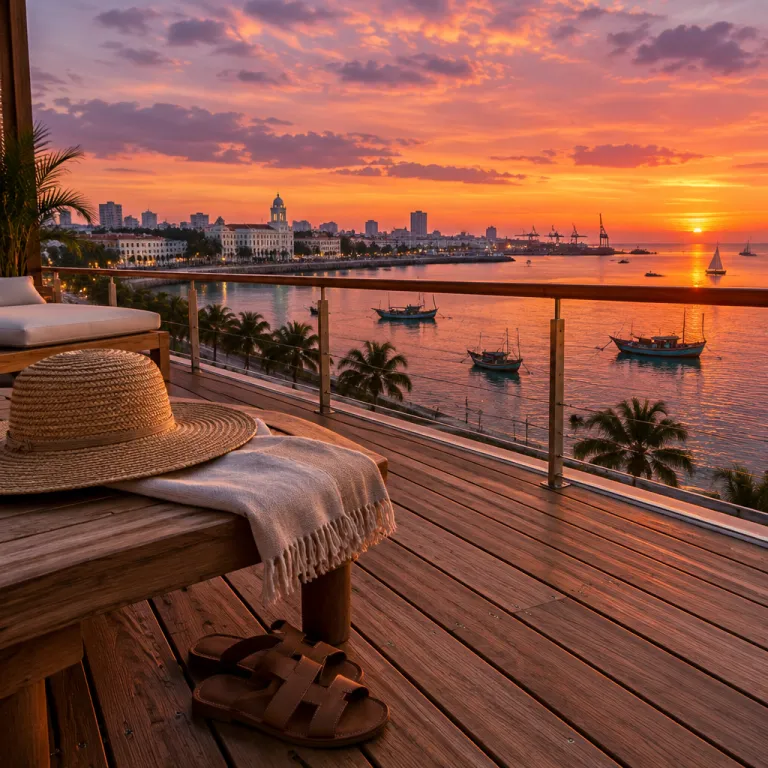
Maputo city escapes for luxury minded travellers
Maputo sits on the edge of the Indian Ocean and offers a rare mix of African energy and coastal elegance. The capital of Mozambique blends a layered past as Lourenço Marques with a present focused on development and refined hospitality. For travellers choosing a premium hotel in this city, the experience can feel both cosmopolitan and deeply Mozambican.
The wider Maputo City area forms the economic heart of Mozambique and concentrates a significant share of the national population. This role as the main capital Mozambique hub drives rapid growth in infrastructure, from the upgraded Port of Maputo to new roads linking the south of the country with South Africa. When you book a luxury hotel here, you benefit directly from this infrastructure because transfers, guided city tours and regional excursions become smoother and more reliable.
Maputo’s urban fabric still reflects its Portuguese heritage in avenues, squares and pastel façades. Along Avenida Julius Nyerere and Avenida da Marginal, high end hotels such as Polana Serena Hotel and Southern Sun Maputo overlook the bay and offer panoramic views of the Indian Ocean and the evolving skyline of Mozambique Maputo. These properties often curate city escapes that combine private drivers, restaurant reservations and access to cultural venues, turning a simple hotel stay into a tailored urban retreat.
For travellers comparing African capitals, Maputo stands apart from other South African coastal cities through its relaxed rhythm and strong Mozambican identity. The city’s role as Mozambique capital means that international organisations, embassies and business travellers sustain a steady demand for premium accommodation. This constant flow encourages hotel operators to maintain high standards in service, security and gastronomy, which benefits leisure guests seeking a refined base for their trip.
When planning a stay, it helps to understand how the city’s growth shapes neighbourhood character. Areas close to the historic railway station and the Port Maputo district feel more traditional and busy, while the avenues near Costa do Sol and the southern waterfront host newer developments and more contemporary hotels. Choosing between these zones allows you to match your preferred atmosphere, whether you want to feel the pulse of Maputo City or enjoy quieter ocean facing streets.
From avenida charm to rua life : where to stay in style
Luxury travellers in Maputo often start their search along the main avenida corridors that frame the central city. Avenida Julius Nyerere, Avenida 24 de Julho and Avenida Eduardo Mondlane form a triangle where many premium hotel addresses cluster. These avenues connect quickly to the Port of Maputo, the business district and the coastal strip leading north to Costa do Sol.
Parallel to the grand avenida network, smaller rua streets reveal a more intimate side of Mozambican life. Staying in a refined hotel near these ruas lets you walk to cafés, galleries and local restaurants while still enjoying international standards of comfort. This balance between rua authenticity and avenida convenience is one of the reasons Maputo appeals to travellers seeking both culture and ease.
Families planning a city break in Mozambique often combine Maputo with coastal or island stays. A practical approach is to book a premium hotel in the capital Mozambique hub for the first nights, then continue to family friendly luxury resorts elsewhere in the country. For inspiration on family escapes that extend beyond Maputo City, you can explore this guide to family luxury hotels in Mozambique for unforgettable holidays.
When evaluating specific properties, consider how each hotel uses its location within the city grid. Some hotels on Avenida da Marginal emphasise bay views and easy access to Costa do Sol, ideal for guests who want quick escapes to the beach. Others closer to Rua da Sé or Rua Araújo focus on business facilities and proximity to ministries, banks and international organisations, which suits corporate travellers who still want to explore Maputo after meetings.
The Portuguese influence remains visible in the architecture along these avenidas and ruas, from tiled façades to shaded verandas. Yet the hospitality style is distinctly Mozambican, with warm service and a relaxed pace that contrasts with some South African cities. By choosing a hotel that reflects both avenida elegance and rua character, you gain a richer sense of how Maputo has evolved from Lourenço Marques into a modern African capital.
Culture, museums and history around your Maputo hotel
Staying in a luxury hotel in Maputo places you close to some of the most important cultural institutions in Mozambique. The National Art Museum and the Museum of Natural History both sit within short driving distance of the main hotel districts. These museums help you understand how the country’s African, Portuguese and Mozambican identities intersect in daily life.
The Museum of Natural History in Maputo City is particularly valuable for travellers interested in wildlife and conservation. Exhibits explain the biodiversity of southern Africa and highlight how climate change is reshaping ecosystems along the Indian Ocean coast. After a morning at the museum, many guests return to their hotel for a leisurely lunch before heading out again to explore the railway station or the historic baixa quarter.
Political history also shapes the cityscape around premium hotels. Streets named after Samora Machel, Julius Nyerere and Eduardo Mondlane honour leaders who influenced Mozambique’s path from Portuguese rule through civil war and into independence. Walking these avenues from your hotel, you see monuments and murals that reference broader African struggles, including figures such as Mao Tse Tung, sometimes written as Tse Tung or Mao Tse, whose ideas resonated with liberation movements.
Several luxury hotels curate guided city tours that weave together these cultural threads. A typical itinerary might include the iconic railway station, the fortress, the central market and the Museum of Natural History, with commentary on how Maputo’s population and infrastructure changed during and after the civil war. This context helps guests appreciate why the Mozambique capital feels both historic and forward looking.
Travellers focused on refined urban stays can also consult specialised guides to elegant properties. For a curated overview of premium addresses in the city, including those near key museums and cultural venues, you may find this selection of elegant hotels in Maputo for a refined city stay particularly useful. Combining such resources with your own interests in art, history or architecture will help you choose a hotel that enhances every day of your Maputo itinerary.
From port Maputo to Costa do Sol : coastal luxury choices
The coastline that stretches from the historic Port of Maputo to Costa do Sol offers some of the most attractive settings for premium hotels in the city. Near the Port Maputo district, the atmosphere feels more urban, with views of cargo ships, the railway station and the working harbour. Further north towards Costa do Sol, the scenery opens to wider beaches, palm trees and long perspectives over the Indian Ocean.
Travellers who choose hotels near the Port of Maputo often prioritise access to business meetings, ferry terminals and cultural landmarks. This area connects efficiently to the rest of Mozambique Maputo through upgraded infrastructure, including bridges and arterial roads leading south to South Africa. For guests who want to balance work with leisure, a hotel here can provide quick transfers to both corporate venues and evening dining along Avenida 24 de Julho.
By contrast, the Costa do Sol area appeals strongly to leisure travellers and couples. Hotels along this stretch of coast emphasise sea views, outdoor pools and terraces where you can watch the light change over the bay of Maputo City. Many properties here arrange day trips to nearby islands or coastal reserves, allowing you to experience the broader Indian Ocean environment while still returning to the comfort of your city hotel each evening.
Maputo’s role as Mozambique capital also makes it a natural starting point for more remote coastal escapes. After a few nights in a refined city hotel, many guests continue north to the Bazaruto Archipelago or other island destinations in southern Mozambique. For those planning such combinations, this overview of elegant island retreats in southern Mozambique can help you align your Maputo stay with a longer coastal itinerary.
Whether you stay closer to the Port Maputo zone or the Costa do Sol beaches, the key is to match your hotel choice with your daily rhythm. Business travellers may value proximity to the harbour, ministries and international offices, while holidaymakers often prefer the quieter stretches of Avenida da Marginal. In both cases, the combination of African hospitality, Mozambican cuisine and ocean views makes Maputo a compelling coastal city escape.
Infrastructure, development and the future of luxury stays
Maputo’s position as the economic engine of Mozambique means that infrastructure projects directly influence the quality of hotel stays. Over recent decades, the city has invested in roads, bridges and utilities that support both residents and visitors. These improvements help luxury hotels deliver reliable services, from stable power to efficient airport transfers, which discerning travellers rightly expect.
The Maputo–Katembe bridge and the upgraded corridor to South Africa illustrate how regional connectivity shapes tourism. By linking the Mozambique capital more closely with South African markets, these projects increase visitor numbers and encourage further hotel development. As the population of Maputo City grows, demand for high end accommodation also rises, prompting international brands and local investors to refine their offerings.
Climate change presents another dimension that both city planners and hotel operators must address. Coastal erosion, storm surges and changing rainfall patterns along the Indian Ocean affect how new properties are designed and where they are built. Many premium hotels in Mozambique Maputo now integrate resilience measures, such as elevated structures, improved drainage and energy efficient systems, to protect both guests and assets.
Urban development also intersects with heritage preservation in this African capital. As new towers rise along Avenida Julius Nyerere and other central arteries, debates continue about how to respect the architectural legacy of Lourenço Marques while meeting modern needs. Some hotels respond by restoring historic buildings and combining them with contemporary extensions, offering guests a tangible link between past and present.
For travellers, understanding these development dynamics can inform more thoughtful booking decisions. Choosing hotels that invest in sustainable infrastructure and community engagement supports a more balanced growth path for Maputo and Mozambique as a whole. In return, guests enjoy a city where improved roads, public spaces and services make every stay smoother, whether they are visiting for business, leisure or a combination of both.
Practical tips for booking premium hotels in Maputo
When booking a luxury hotel in Maputo, start by clarifying the purpose of your trip. Business travellers may prioritise proximity to ministries, banks and international organisations in the central city, while leisure guests often prefer ocean facing properties near Costa do Sol. Defining these priorities early helps you narrow the wide range of options in Mozambique Maputo.
Next, consider how you plan to move around the capital Mozambique region. Hotels with reliable transfer services to the airport, the railway station and the Port of Maputo can save time and reduce stress, especially after long flights from Europe or South Africa. If you expect to explore widely, look for properties that offer concierge support for day trips, restaurant reservations and museum visits across Maputo City.
History enthusiasts may want to stay near avenues and squares that reference key figures such as Samora Machel, Julius Nyerere and Eduardo Mondlane. These areas often sit close to major museums, government buildings and memorials that trace Mozambique’s journey through civil war and reconstruction. From such hotels, you can easily walk or drive to landmarks that explain how the city evolved from Lourenço Marques into the present Mozambique capital.
Language and culture also shape the guest experience in this African city. Portuguese remains the official language of Mozambique, but many hotel staff speak English and sometimes South African languages due to strong links with South Africa. Choosing a hotel with multilingual teams can make it easier to arrange specialised services, from private guides to tailored culinary experiences featuring Mozambican flavours.
Finally, pay attention to how each hotel presents its role within the broader development of Maputo. Properties that highlight sustainable practices, support for local artisans and engagement with nearby communities often provide richer, more meaningful stays. By aligning your booking choices with these values, you contribute to a version of Maputo where growth, culture and hospitality reinforce each other for future travellers.
Key figures on Maputo travel and hospitality
- The metropolitan population of Maputo City and surrounding areas is estimated at over 2 million residents, making it the largest urban centre in Mozambique and the primary driver of hotel demand in the country (World Bank data, recent estimates).
- Tourism contributes roughly 7 to 8 percent of Mozambique’s gross domestic product, with Maputo and the southern coastal corridor accounting for a significant share of international arrivals (World Travel & Tourism Council analysis).
- The Port of Maputo handles millions of tonnes of cargo annually, and this role as a logistics hub supports steady business travel, which in turn sustains year round occupancy in premium hotels (Port of Maputo operational reports).
- South Africa remains the largest single source market for visitors to Mozambique, and improved road links between Maputo and Gauteng have shortened driving times, encouraging more short city breaks and weekend stays (regional tourism statistics).
- Average annual temperatures in Maputo range between roughly 20 and 26 degrees Celsius, creating a warm coastal climate that allows hotels to operate outdoor pools, terraces and beachfront facilities throughout most of the year (national meteorological services).
FAQ : planning a luxury stay in Maputo
Which areas of Maputo are best for luxury hotels ?
The main luxury hotel clusters in Maputo sit along Avenida Julius Nyerere, Avenida da Marginal and the Costa do Sol coastal strip. These areas combine ocean views, good access to the city centre and proximity to restaurants and embassies. Travellers who prefer a more historic atmosphere may choose properties closer to the baixa district and the railway station.
How many days should I spend in Maputo before exploring other parts of Mozambique ?
For most travellers, two to three full days in Maputo provide enough time to visit key museums, sample Mozambican cuisine and explore the waterfront. Those combining the city with island or safari destinations in Mozambique often add an extra night to recover from flights. Business travellers may need longer stays if meetings are spread across different parts of the capital Mozambique region.
Is Maputo a good base for combining city and beach experiences ?
Maputo works very well as a base for mixed city and beach itineraries because it sits directly on the Indian Ocean and connects easily to nearby coastal areas. Guests can enjoy urban culture, museums and dining, then take short drives to beaches north and south of the city. Many travellers also pair Maputo with longer stays in southern Mozambique or island destinations reached by domestic flights.
How safe is Maputo for international visitors staying in premium hotels ?
Most international visitors who stay in reputable hotels in Maputo experience trouble free trips, especially when they follow standard urban safety precautions. Premium properties typically offer secure premises, vetted taxi services and concierge advice on areas to visit or avoid at night. As in any large African city, it is wise to use registered transport, keep valuables discreet and seek local guidance from hotel staff.
What is the best way to reach Maputo from South Africa ?
Travellers from South Africa can reach Maputo either by direct flights from Johannesburg or by road through the main border posts. The improved highway and the Maputo–Katembe bridge have reduced driving times, making weekend city escapes more practical for South African visitors. Many luxury hotels can arrange private transfers from the border or the airport to ensure a smooth arrival.