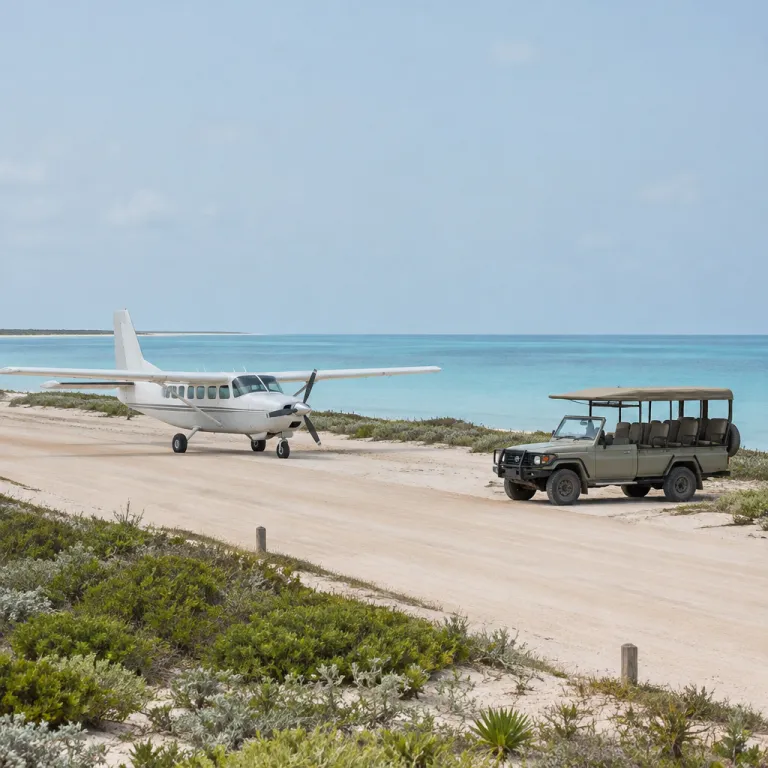
The emotional arc of a Kruger safari and Mozambique beach finale
A Kruger and Mozambique coast itinerary works because it respects rhythm. After days of concentrated safari in the greater Kruger region of South Africa, your senses are saturated and your camera full of wildlife and game sightings. The shift from the dry bush of Kruger National Park to a soft Mozambique beach on a remote island gives your mind and body time to absorb everything.
On safari in Kruger National Park or the wider private reserves, most days start before sunrise with a game drive in search of wildlife. By the time lunch is served back at camp, you have already lived what feels like a full day, and the afternoon often brings another drive or a guided walk. That intensity is thrilling for a three or four night stay, but most couples feel ready for a slower beach holiday once the final game drive is done.
The emotional payoff comes when you trade the khaki of safari South for bare feet on a Mozambique beach with warm Indian Ocean water. A short hop east from South Africa delivers you to the Bazaruto Archipelago, where each island feels like a private sanctuary. One guest described it as “waking up from a vivid dream of lions and leopards and finding yourself floating in a turquoise lagoon instead of a 4x4.” This is where a carefully planned Kruger–Mozambique journey becomes a true safari-and-sea pairing rather than two unrelated trips.
Think of it as a two act story rather than a checklist of places in South Africa and Mozambique. The first act is all about wildlife, game drives and the drama of predator and prey in the greater Kruger ecosystem. The second act unfolds on a quiet beach where time stretches, and the only decisions are whether to sail, snorkel or simply watch the tide change as the light turns the sandbanks from white to rose gold.
How the geography and routing make the pairing effortless
The practical beauty of combining Kruger with the Mozambique coast lies in the map. Greater Kruger in South Africa sits only a short flight west of Vilanculos and other coastal gateways, so you are never far from a beach even when you are deep in the bush. Regional connections mean your travel time between safari camp and island resort can often be measured in a single day rather than a lost one.
Most couples will route through Johannesburg in South Africa, then connect to a regional hub that serves both the Kruger area and Mozambique beach gateways. Johannesburg to Nelspruit or Skukuza is usually under an hour by air, while Johannesburg to Vilanculos is around 1.5 hours. Airlines such as Airlink and LAM Mozambique Airlines typically operate these sectors, and from there, light aircraft flights of 20 to 60 minutes or road transfers link you to greater Kruger reserves such as private concessions bordering the national park, or to coastal points for onward travel to the Bazaruto island group. Always verify specific flight schedules before booking, as frequencies and timings can change without notice.
Once you reach the coast, boat or helicopter transfers carry you across the deep blue of the Indian Ocean to your chosen island. The contrast with the earthy tones of the Blyde River Canyon and the tufa waterfall landscapes of inland South Africa could not be sharper. Yet the distances are short enough that you can enjoy a morning game drive in Kruger and a sunset drink on a Mozambique beach on the same day, for example on a routing such as Skukuza–Johannesburg–Vilanculos with a mid-afternoon island transfer.
For an urban pause, some travelers add a night in Maputo on either side of their safari south and island legs. Our guide to Maputo city escapes for refined stays on the Indian Ocean explains how to choose a property that matches the standard of your bush and beach holiday. This keeps the quality of your Kruger–Mozambique journey consistent from first airport transfer to final airport farewell.
Sequencing the journey: why safari first and beach second works best
For most couples planning a Kruger and Mozambique coast itinerary, the smartest sequence is safari first, then coast. Starting in greater Kruger means you arrive in South Africa with maximum energy for early mornings, long game drives and the excitement of tracking wildlife. By the time you have spent three or four nights in a camp focused on game viewing, your body will be ready for the slower rhythm of an island stay.
Rather than repeating the full daily routine, think of your time in Kruger as a series of concentrated wildlife chapters: pre dawn departures, three or four hours of tracking big game, and unhurried brunches back at camp. Afternoon brings another Kruger safari or a guided walk, followed by drinks around the fire and a friendly dinner under the stars. It is immersive and exhilarating, but it also draws heavily on your attention and energy.
Once that pattern has repeated for several days, flying east to Mozambique for a beach holiday feels like a reward. The Bazaruto Archipelago offers island lodges where time slows, and activities such as dhow sailing, snorkeling and sandbank picnics are included in the rate. Our detailed review of Azura Lodge on Benguerra Island shows how a high end Mozambique beach property can match the service and style of a top greater Kruger camp.
Reversing the order rarely works as well, because the quiet of an island makes it harder to adjust back to the intensity of Kruger National Park game drives. Emotionally, you want the crescendo of wildlife and game viewing to come first, followed by the exhale of a safari beach finale. Ending with a Mozambique island stay also gives you time to process the experience of South Africa’s bush before you fly home.
Matching lodges and coastal retreats so standards never slip
One of the most common concerns about a Kruger and Mozambique beach combination is whether the standard will hold across both legs. Couples who invest in a private lodge in greater Kruger expect the same level of service, cuisine and design when they reach their coastal resort. The key is to think of the journey as a single itinerary and match properties with similar philosophies rather than chasing unrelated deals.
In the bush, many travelers choose intimate camps in the greater Kruger area where game drives are limited to a few vehicles and wildlife sightings feel unhurried. A place such as Camp Bethel in South Africa’s Lowveld, for example, focuses on a friendly atmosphere and strong guiding in a private setting. Others might opt for a classic lodge like Lion Sands or Dulini in the Sabi Sand, where suites, guiding and cuisine sit firmly in the luxury bracket. When you move to the coast, you should look for Mozambique beach lodges that offer the same attention to detail, whether on Machangulo Beach near Maputo or further north in the Bazaruto Archipelago.
Some properties in Mozambique now position themselves explicitly as part of a safari south and beach holiday pairing with Kruger. They coordinate flight times, ensure that activities such as snorkeling, dhow sailing or island tours are included, and maintain wine lists and menus that feel consistent with high end bush camps. As a broad guide, mid range lodges might start around US$400–600 per person per night, while top tier island retreats can reach US$900–1,500 per person per night depending on season and inclusions.
When reviewing options, pay attention to how each lodge talks about time, space and privacy. A camp that offers only three or four suites, for example, will feel very different from a larger resort, even if both sit on the same stretch of beach or overlook the same river canyon. Matching scales and styles across your safari and island stays ensures that the emotional arc of your Kruger and Mozambique coast trip remains smooth from first game drive to last ocean swim.
How many nights to spend in Kruger and on the Mozambique coast
Time is the quiet luxury that defines a Kruger and Mozambique beach itinerary. For a first visit to South Africa and Mozambique, couples should plan at least seven to ten nights split between bush and coast. Any less, and the travel days will start to dominate the experience rather than frame it.
A balanced pattern for many travelers is three or four nights in greater Kruger followed by four to six nights on a Mozambique beach. Those initial safari days give you enough time to explore different parts of Kruger National Park and its private reserves, join a walking tour or two and settle into the rhythm of early mornings and long game drives. By the time you board a light aircraft or regional flight east, you will have seen a wide range of wildlife and game, from elephants at a river canyon to antelope grazing under a panoramic mountain backdrop.
On the coast, more time is always better, especially if you are staying on an island where activities such as snorkeling, diving and dhow sailing are included. A longer stay also allows for slower days when lunch is served late after a morning on the water, and you simply rest in the shade rather than join another tour. Couples celebrating a milestone often extend their Mozambique beach leg to a full week, turning the safari south and island pairing into a once in a lifetime beach holiday.
Whatever duration you choose, build in at least one buffer day in a city such as Maputo or Johannesburg on either side of your flights. This protects the flow of your Kruger–Mozambique journey from delays and gives you time to enjoy a final cocktail, perhaps at a bar that nods to places like White Pearl or Sanctuary Mandela in its design. For more on how lodges across the region shape their evening rituals, see our feature on the Mozambican cocktail hour, lodge by lodge.
Choosing the right traveler profile for a Kruger and Mozambique pairing
A Kruger and Mozambique safari-and-sea combination is not for every traveler, but it is close to perfect for certain couples. If you value both wildlife and game viewing and unstructured time on a quiet beach, this pairing gives you two distinct experiences in one coherent journey. It suits those who are comfortable with small aircraft, flexible travel plans and the idea that a day will sometimes be shaped by weather or animal movements.
First time visitors to South Africa and Mozambique often find that a Kruger–Mozambique itinerary offers a reassuring structure. You begin in greater Kruger, where the routines of game drives, set meal times and guided activities are clearly defined, and where a friendly guide will explain everything from animal behavior to the geology of the Blyde River Canyon and its tufa waterfall formations. Later, on a Mozambique beach or island, time becomes looser, and you can choose between active days and quiet ones without pressure.
This style of travel also works well for milestone celebrations such as honeymoons or significant anniversaries. A private dinner on Machangulo Beach or a sandbank near Benguerra Island can be included as part of your stay, just as a private vehicle might be arranged for a day in Kruger’s private reserves. Couples who appreciate thoughtful details, from how lunch is served after a long tour to how a camp positions its deck for the best panoramic mountain views, tend to thrive on this kind of itinerary.
Those who prefer large resorts, fixed schedules and minimal internal flights may be happier with a single center beach holiday or a standalone safari south of Johannesburg. For everyone else, the Kruger and Mozambique beach pairing offers a rare balance of structure and freedom, dust and salt, river canyon and reef. It is a way of moving through South Africa and Mozambique that feels both efficient and deeply indulgent, especially in the dry season from May to October when game viewing is at its best and coastal humidity is lower.
FAQ
How many days do I need for a Kruger and Mozambique beach itinerary ?
Most couples should plan at least seven to ten days for a Kruger and Mozambique safari-and-beach journey. A common pattern is three or four nights in greater Kruger followed by four to six nights on a Mozambique beach or island. This gives enough time for immersive wildlife and game viewing in Kruger National Park and unhurried relaxation on the coast.
Is it better to visit Kruger or the Mozambique coast first ?
For most travelers, it is better to start with a Kruger safari and finish on a Mozambique beach. The early mornings and intense game drives of greater Kruger are easier when you are fresh at the beginning of the trip. Ending on an island or coastal stretch lets you slow down, enjoy the ocean and reflect on your South Africa wildlife experiences.
How difficult are the logistics between Kruger and Mozambique ?
The logistics for a Kruger and Mozambique itinerary are relatively straightforward, because greater Kruger and the Mozambique coast sit close together in southern Africa. Regional flights link Johannesburg with both the Kruger area and coastal gateways such as Vilanculos and Maputo, and many lodges coordinate transfers. You should still allow for at least one buffer day in a city such as Maputo or Johannesburg in case of schedule changes, and check current visa and health requirements for both countries before you travel.
What type of traveler is best suited to a Kruger and Mozambique pairing ?
This combination suits couples who enjoy both structured days and free time, and who are comfortable with small aircraft and flexible plans. It is ideal for honeymooners, anniversary trips and first time visitors to South Africa and Mozambique who want both wildlife and beach in one itinerary. Travelers who prefer large resorts and minimal internal travel may be better served by a single destination beach holiday.
Can I match the luxury level between my safari camp and beach lodge ?
Yes, you can match the standard of your greater Kruger camp with a high end Mozambique beach lodge if you plan carefully. Look for properties that offer similar room counts, service styles and included activities, whether on Machangulo Beach or in the Bazaruto Archipelago. Working with a specialist platform such as mymozambiquestay.com helps ensure that your Kruger and Mozambique safari beach experience feels consistent from bush to coast.