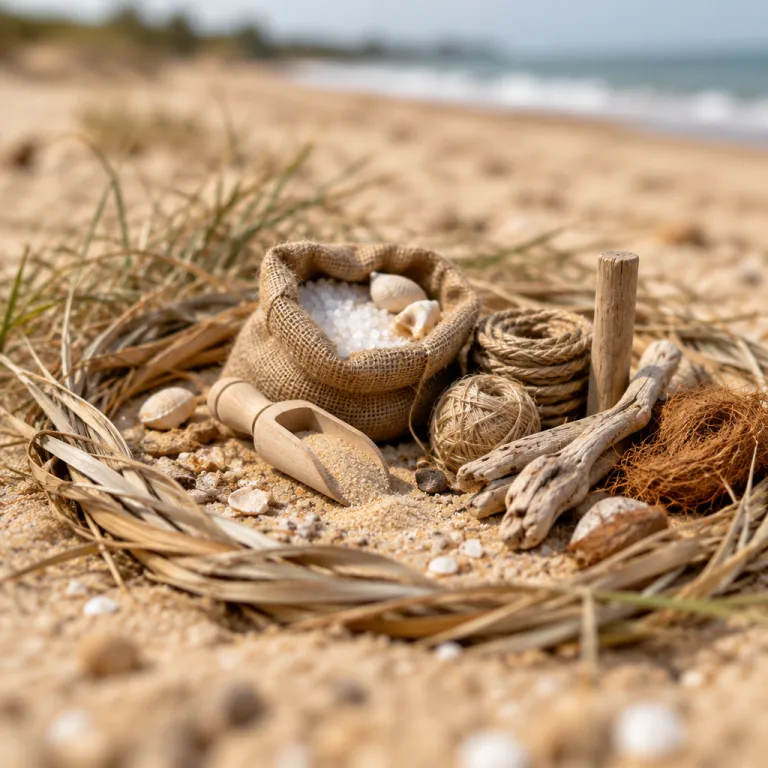
Where turtle nesting in Mozambique meets barefoot luxury
Turtle nesting in Mozambique is not a sideshow here; it quietly shapes how the most thoughtful coastal retreats design their guest experience. Along this long Indian Ocean shoreline, sea turtles slide from the water onto pale sand, turning private stretches of beach into living classrooms for families. The best luxury lodges now treat every turtle nest as a protected asset, weaving conservation work into sunset rituals, children’s programmes and even the way a lantern is shaded on the sand.
From the northern islands of the Quirimbas to the southern curve of Ponta do Ouro, nesting activity from marine turtles gives structure to the warmer months, typically from November to March, when tides, moonlight and wind direction all figure into the nightly rhythm. According to monitoring data shared with the National Administration of Conservation Areas (ANAC), peak nesting for green and loggerhead turtles in many northern sites falls between late November and February, with hatchlings emerging roughly 50 to 70 days later depending on sand temperature. Guests who time their stay for this window often find that the most memorable moment is not a spa treatment or a dhow cruise, but a quiet walk behind a ranger as a single female covers her eggs.
For premium families choosing between different coastal regions of Mozambique, the question is not whether turtles are present, but how lodges manage access to them. Properties that take turtle nesting seriously limit group sizes, train staff in marine wildlife ethics and work with local communities to monitor nests along their beach. Many collaborate with initiatives supported by ANAC, WWF Mozambique and regional projects such as the Western Indian Ocean Marine Science Association (WIOMSA), which help standardise data collection and codes of conduct. When you book through a curated platform focused on Mozambique’s coast, you can filter for lodges where turtle monitoring is embedded in operations rather than offered as a one-off activity, and where conservation partners are named clearly in pre-arrival information.
From Quirimbas to Bazaruto: where to stay for meaningful encounters
The northern islands of the Quirimbas National Park and the remote bays of Cabo Delgado offer some of the most atmospheric settings for turtle nesting in Mozambique, especially for travellers who like their marine reserve experiences wild yet carefully guided. Here, sea turtles often share the shallows with traditional dhows, and the best lodges position their villas to overlook both the reef and the nesting beaches. On islands such as Vamizi and Quilalea, long-term monitoring projects have recorded green turtles nesting from roughly November through March, with some late clutches extending into early April in warmer years. On some islands, a single green turtle may nest in front of only a handful of suites, turning that strip of coastal sand into a private conservation corridor.
Further south, the Bazaruto Archipelago has become a reference point for green and loggerhead sea turtle sightings, with several high-end properties integrating protection work into their marine activities. Nesting here is usually most active from late October through February, with hatchlings emerging roughly 55 to 70 days later, depending on sand temperature and rainfall. In this marine reserve, rangers often patrol at night, logging each nest, marking it discreetly and sometimes inviting guests to observe from a respectful distance when a turtle emerges. Case studies shared with WIOMSA show that consistent patrols and controlled lighting on islands such as Benguerra have reduced nest disturbance and improved hatching success over the past decade.
Along the mainland coast, from the quieter stretches near Praia do Tofo down towards Ponta do Ouro, a handful of lodges now work with marine biologists to track turtles and protect eggs from poaching. These properties tend to have fewer rooms, long unlit beach frontages and strict rules about night-time lighting during nesting activity. Families who want both comfort and purpose should look for clear references to conservation partnerships, data sharing with researchers and transparent guidelines on how guests may join a turtle walk. As one community ranger in southern Mozambique explains, “We record every nest we find, because each clutch tells us how well the population is coping with changing seas,” a sentiment echoed in recent reports compiled with WWF Mozambique and ANAC.
What a turtle nesting experience really looks like for guests
A well-run turtle nesting encounter in Mozambique begins long before you step onto the sand, with a pre-briefing at the lodge that explains species, behaviour and the ethics of watching marine turtles. Guides outline how green and loggerhead females haul out of the sea, how they choose a nest site above the high tide line and why red light torches are used instead of white beams. Children are often captivated by the simple idea that every nest on the beach holds dozens of fragile eggs, each one a potential traveller that may cross entire ocean basins.
On the night itself, you walk in a small group, usually no more than six guests, following a trained ranger who reads the beach like a book. He or she will point out fresh tracks, explain whether they belong to a turtle returning to the sea or still searching for a nest site, and decide if it is appropriate to approach. When conditions are right, you may sit quietly behind the nesting female, far enough away to avoid disturbance, watching as sand sprays and the nest deepens with each slow movement. A typical clutch in Mozambique holds around 80 to 120 eggs, and guides often explain how only a tiny fraction of hatchlings will survive to adulthood, drawing on survival estimates from regional studies coordinated through WIOMSA and national park authorities.
Some lodges extend the experience into the hatching phase, when tiny sea turtles emerge and scramble towards the surf under the guidance of moonlight and wave sound. This is never guaranteed, and that uncertainty is precisely what keeps turtle nesting authentic rather than staged entertainment. After such a night, many guests find that the most memorable drink is not at the bar, but a quiet glass of something cold back on the deck, reflecting on how a single green turtle has reshaped their sense of the sea; for a sense of how lodges frame these moments, explore a detailed Mozambican cocktail hour guide that compares different coastal retreats and highlights which properties align aperitif time with post-patrol debriefs.
Families, ethics and choosing the right coastal retreat
For premium families, turtle nesting in Mozambique offers a rare blend of education, emotion and gentle adventure that suits older children especially well. Lodges that take this seriously often run daytime workshops where young guests learn to identify tracks, map nests and understand why conservation efforts matter for both marine life and local livelihoods. Parents appreciate that these activities are led by trained guides rather than generic kids’ club staff, with clear rules about when and how children may join night patrols.
Ethical practice is non-negotiable when sea turtles are involved, and the best properties make their standards visible from the booking stage. Look for clear statements about no handling of turtles, no flash photography, no crowding around a nest and strict control of artificial light along the beach. Many lodges in areas such as Quirimbas National Park, Cabo Delgado and Ponta do Ouro now publish simple codes of conduct in rooms, reminding guests that every decision, from where they walk to how they use torches, affects nesting success. Conservation teams often refer to regional guidelines developed with ANAC and partners such as WWF Mozambique to keep practices consistent along the coast, and some properties summarise these in a concise “turtle etiquette” checklist for families.
When comparing options on a curated Mozambique platform, prioritise lodges that support long-term monitoring and community ranger programmes rather than one-off photo opportunities. Ask whether the property contributes data on nesting activity to regional researchers, how they protect eggs from predators and people, and what proportion of revenue supports turtle conservation. For help aligning flights, transfers and the right coastal region with your family’s rhythm, use a detailed planning guide to Mozambique logistics that pairs practical advice with honest assessments of how remote each turtle-focused lodge really feels, and that flags any minimum age recommendations for night walks.
Responsible travel in Mozambique’s turtle nesting hotspots
Travelling for turtle nesting experiences in Mozambique carries a responsibility to tread lightly, both on the beach and within local communities. Start by choosing lodges in recognised marine reserve areas, such as parts of the Quirimbas and the Bazaruto Archipelago, where regulations already support turtle conservation. Properties in these zones often collaborate with national park authorities and local fishers to reduce bycatch, protect nesting beaches and ensure that tourism revenue flows back into long-term projects.
Once on site, your behaviour matters as much as the lodge’s policies, especially during peak nesting activity when female turtles are easily disturbed. Walk below the high tide line at night to avoid stepping on a hidden nest, keep noise low and follow guide instructions about when to stop and sit. If you are lucky enough to witness a green or loggerhead turtle laying eggs, remember that your role is to observe quietly, not to curate the perfect photograph for social media, and to respect any limits on group size or time spent near the nest.
Responsible travellers also think beyond the beach, supporting local initiatives that strengthen the social fabric around turtle hotspots in northern and southern Mozambique. Buying crafts from community cooperatives, tipping fairly and asking informed questions about marine research all signal that you value more than just a fleeting sea turtle sighting. Over time, this kind of guest engagement helps ensure that turtles along the Mozambican coast remain a living presence, rather than a fading figure in conservation reports, and supports the long-term monitoring projects championed by ANAC, WIOMSA and WWF Mozambique.
FAQ
Which turtle species can I expect to see nesting in Mozambique?
Along Mozambique’s coast, guests most commonly encounter green turtles and loggerhead turtles nesting on sandy beaches. Hawksbill and leatherback turtles are also recorded in some regions, particularly around the northern islands and the southern marine reserves, but sightings vary by location and season. Lodges usually brief guests on which species are currently active around their specific stretch of coast, drawing on recent nesting records submitted to ANAC and partner organisations.
Is it safe and appropriate for children to join turtle nesting walks?
Many luxury lodges welcome families with older children on guided turtle walks, provided they can follow instructions and remain quiet. Younger children may be better suited to daytime conservation activities, such as track identification or nest mapping. Always ask the lodge how they tailor marine experiences to different ages before booking, and whether there are minimum age guidelines for night patrols, as some properties in areas like Bazaruto and Ponta do Ouro set recommended age limits for safety and turtle welfare.
How can I tell if a lodge’s turtle conservation claims are genuine?
Serious properties usually partner with recognised conservation organisations or national park authorities and contribute data to turtle monitoring programmes. They publish clear guidelines on guest behaviour, limit group sizes and avoid any handling of turtles or eggs. If a lodge cannot explain its role in long-term projects, or name partners such as ANAC, WWF Mozambique or established NGOs involved in Western Indian Ocean turtle research, consider choosing another option.
When is the best season to plan a turtle focused trip?
Sea turtle nesting along Mozambique’s coast generally aligns with the warmer months, when conditions favour both nesting and later hatching. In many areas, females come ashore from about October to March, with hatchlings emerging roughly two months after eggs are laid. Exact timing varies between regions such as the Quirimbas, the Bazaruto Archipelago and Ponta do Ouro, and from year to year, so lodges can advise on the most reliable windows for activity in their area based on recent monitoring data.
Do I need special equipment to join a turtle nesting excursion?
Most lodges provide essentials such as red light torches and sometimes light blankets for longer beach walks. Guests should bring comfortable walking shoes, neutral-coloured clothing and a light jacket for cooler nights. Cameras are usually allowed, but flash and bright screens are prohibited to protect the turtles, and guides will advise on when photography is appropriate and how to adjust settings so that images do not disturb nesting females or disorient hatchlings.