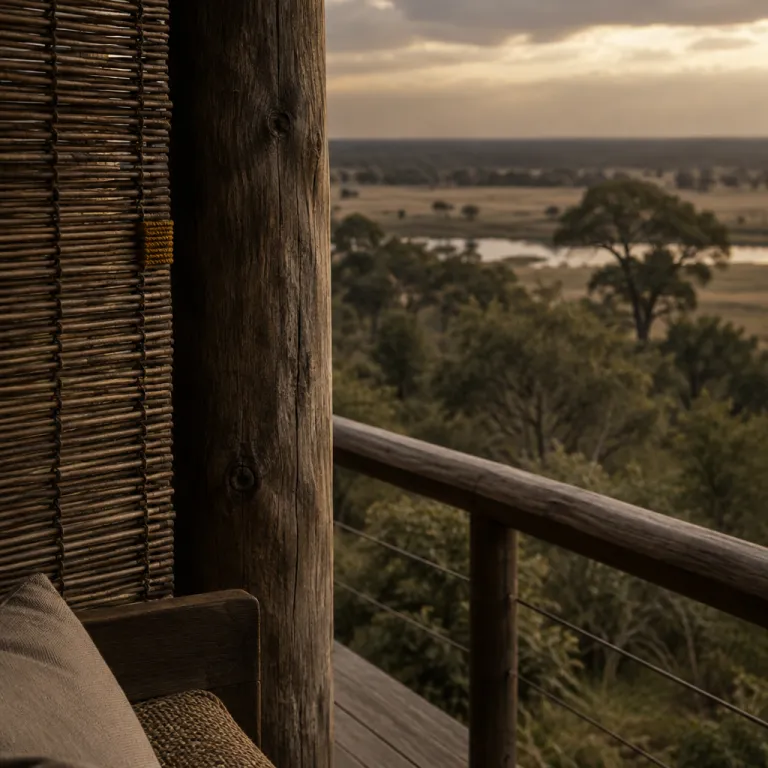
Luxury Gorongosa National Park stays in central Mozambique
Gorongosa park as a luxury base in central Mozambique
Gorongosa National Park sits in central Mozambique, in Sofala Province, at the southern end of the Great Rift Valley. This national sanctuary has become a reference point for African conservation, where the Government of Mozambique and the Gorongosa Project work together in a public–private model that balances wildlife protection with refined ecotourism. For luxury travellers, this means you can book premium Gorongosa safari lodges that place you close to rare species while still enjoying polished service, fine dining, and carefully curated experiences.
The wider Gorongosa protected landscape covers about 4 067 km² of core park area, with a mosaic of savannah, rain forest, seasonal wetlands, and the slopes of Mount Gorongosa rising as a dramatic mountain backdrop. According to Gorongosa Project management data (2023 internal reports), this size allows effective ranger coverage while keeping the park feeling wild and remote. Because the park authorities limit vehicle density and control access, guests often feel as if they have large sections of Gorongosa National Park almost to themselves. That sense of space is a major reason people seeking privacy and tranquillity choose this part of Mozambique over busier reserves in South Africa or other regions of Africa.
Once devastated by civil war, this national treasure is now a flagship example of how conservation and human development can work together. The Gorongosa Project, supported by the Carr Foundation, has helped restore large mammal populations, including elephants and other large animals that are central to the park’s renewed biodiversity. Aerial wildlife surveys published by the Gorongosa Project in 2018 and updated in 2022 estimate more than 110 000 individual animals across the park, with the elephant population alone climbing to over 800 individuals (Gorongosa Project aerial survey data, 2018–2022). When you book a premium stay here, your nightly rate directly supports wildlife monitoring, ranger patrols, and community programmes that improve education and healthcare for people living around the park.
Planning a premium stay around Gorongosa national landscapes
Luxury and premium travellers usually reach Gorongosa National Park via Beira or Chimoio, then continue by road or charter flight into Sofala Province. Because infrastructure in Mozambique can be unpredictable, it is wise to coordinate transfers, domestic flights, and visas through a specialist who understands national regulations and the realities of human development in rural areas. For a step by step overview of e visa formalities, internal flights, and ground transfers, consult this detailed guide on how to plan a Mozambique trip with flights and transfers.
The dry season from April to November is generally the best time to experience wildlife in this national park, because vegetation is lower and animals concentrate around water. During this period, guided drives often reveal large herds of antelope, growing numbers of large mammals, and increasing sightings of predators that are being carefully reintroduced. If you travel in the shoulder months at either end of the dry season, expect some rain forest showers and bring light waterproof layers, as the mountain climate around Mount Gorongosa can shift quickly.
Most high end visitors stay in or near the Chitengo area, where established lodges such as Montebelo Gorongosa Lodge & Safari offer air conditioned suites, pools, and elevated decks overlooking the forest and floodplains. These properties usually bundle full board, guided activities, and conservation levies into a single rate, which simplifies planning and ensures the Government of Mozambique and its partners receive predictable revenue for park management. When comparing options for a luxury Mozambique safari, look for lodges that employ local people, support community coffee projects on Mount Gorongosa, and participate actively in conservation science within the Gorongosa National Park system.
Hidden gem lodges and private experiences near Mount Gorongosa
Beyond the main hub, a handful of more secluded properties around Gorongosa National Park offer a deeper sense of immersion for guests who value privacy. Some of these intimate lodges sit closer to Mount Gorongosa itself, where the mountain slopes are cloaked in rain forest and cloud, and where birdlife and endemic plant species thrive. Because access is more limited, these stays often rely on private vehicles, personalised guiding, and flexible schedules that suit couples or families seeking a quieter rhythm.
On the eastern side of the national park, you will find camps that focus on walking safaris and photographic drives, ideal for travellers who want to observe wildlife behaviour rather than simply tick off sightings. Guides here are trained to interpret the complex biodiversity of Gorongosa, from large mammals such as elephants and buffalo to smaller forest species that depend on intact habitats. Safety standards are taken seriously, and if you are comparing risk levels with coastal destinations, you may find this analysis of how safe Mozambique is for luxury travellers a useful complement to your planning.
Travellers who want to combine Gorongosa national experiences with urban refinement can pair a safari stay with a few nights in Maputo or on the Indian Ocean coast. For example, you might fly from Sofala Province to the capital, then check into a sea facing property before or after your time in the national park. Curated itineraries often link Gorongosa with Maputo city escapes for refined stays on the Indian Ocean, creating a balanced journey that blends wildlife, culture, and coastal relaxation.
From civil war to conservation icon: why your booking matters
Gorongosa National Park is often cited as one of Africa’s most compelling restoration stories, because its ecosystems were almost destroyed during the civil war. For many years, conflict and poaching decimated wildlife, leaving only a fraction of the original large animals and pushing several species to the brink. The turning point came when the Government of Mozambique entered a long term public–private partnership with the Carr Foundation, creating the Gorongosa Project to rebuild both nature and local livelihoods.
Today, aerial surveys count more than 110 000 individual animals across the national park, and the elephant population alone has climbed to over 800 individuals (Gorongosa Project aerial survey data, 2018–2022). Predator species such as painted wolves and leopards are slowly returning, while the rain forest on Mount Gorongosa is being protected through coffee farming that gives people a sustainable income. This integrated model of conservation and human development has attracted attention from National Geographic and other global platforms, which often highlight Gorongosa’s efforts as a template for other protected areas in Africa.
When you choose a luxury lodge in Gorongosa National Park, your stay becomes part of this wider story of recovery. A portion of your nightly rate supports ranger patrols, science led monitoring, and education and health programmes in surrounding communities, which helps reduce pressure on wildlife and forest resources. In practical terms, every premium booking strengthens the financial case for keeping this landscape within the Half Earth vision of setting aside half the planet for nature, while still ensuring that local people share in the benefits. As one recent guest put it after a dawn drive on the floodplains, “Watching elephants move through the mist, knowing our stay helps protect them, made the whole journey feel meaningful as well as luxurious.”
What to expect on safari: wildlife, landscapes, and seasonal nuances
Game drives in Gorongosa National Park reveal a striking variety of habitats within a relatively compact area, which keeps each outing visually engaging. In a single morning, you might move from open floodplains dotted with large mammals to palm forests, acacia woodlands, and the cooler foothills of Mount Gorongosa. This diversity underpins the park’s exceptional biodiversity, supporting hundreds of bird species, numerous antelope, and an increasing number of predators.
Guests often ask about elephants, and the news here is encouraging, because the population is steadily recovering after the civil war period. Current counts show more than 800 individuals, and sightings are frequent along river systems and near seasonal pans, especially in the late dry season when water becomes scarce (elephant survey data, Gorongosa Project 2018–2022). Other large animals such as hippos, crocodiles, and buffalo are also common, while more elusive species like wild dogs and leopards are gradually re establishing their ranges as conservation pressure continues.
The experience feels different from many reserves in South Africa, partly because visitor numbers remain relatively low and the focus is firmly on conservation science. Guides are trained to interpret not only wildlife behaviour but also the complex relationships between forest, savannah, and wetland systems that make this national park so resilient. Expect early starts, unhurried sightings, and a strong emphasis on ethical viewing distances that respect both animals and the long term goals of the Gorongosa Project and the Government of Mozambique.
Choosing the right lodge: matching comfort, ethics, and access
When selecting a luxury or premium lodge around Gorongosa National Park, start by clarifying how you like to travel. Some guests prioritise maximum comfort, preferring spacious suites, air conditioning, and pools overlooking the forest or floodplains, while others value proximity to wildlife and a stronger sense of wilderness. Both styles exist within and around the national park, so a careful reading of lodge descriptions and maps is essential.
Look for properties that are formally integrated into the Gorongosa Project framework, because these lodges contribute directly to conservation and community programmes. Many support schools, clinics, and sustainable agriculture projects that improve human development indicators in nearby villages, which in turn reduces pressure on wildlife and forest resources. Transparent reporting on conservation fees, employment of local people, and collaboration with park authorities is a strong sign that a lodge is aligned with the long term vision for Gorongosa.
Access is another key factor, especially if you are combining Gorongosa stays with other destinations in Africa. Some lodges are closer to main gates and airstrips, making transfers smoother for families or time pressed travellers, while more remote camps may require longer drives but reward you with quieter sightings and darker night skies. In every case, confirm whether your rate includes guided activities inside the national park, because this affects both value and how often you will be able to explore the different habitats, from the rain forest on Mount Gorongosa to the open plains where large animals congregate.
Key figures that shape the Gorongosa park experience
- The core protected area of Gorongosa National Park covers about 4 067 km² in Sofala Province, giving wildlife and ecosystems substantial space to recover while still being manageable for ranger patrols and monitoring (management data, Gorongosa Project internal reports 2023).
- Recent aerial wildlife surveys have counted more than 110 000 individual animals across the Gorongosa landscape, a dramatic increase compared with the period immediately after the civil war when many species were nearly absent (aerial survey data 2018–2022, Gorongosa Project).
- The elephant population has risen to more than 800 individuals, reflecting successful anti poaching efforts and habitat protection led by the Government of Mozambique and its public–private partners (elephant survey data 2018–2022, Gorongosa Project).
- Tourism revenue from lodges and guided activities contributes directly to conservation and community programmes, forming a central pillar of the integrated model that links wildlife recovery with human development in Gorongosa (project financial summaries 2020–2023, Gorongosa Project).
Frequently asked questions about luxury stays near Gorongosa park
Where is Gorongosa located and how do I reach it ?
Gorongosa National Park lies in central Mozambique, within Sofala Province, at the southern end of the Great Rift Valley. Most luxury travellers fly into Beira or Chimoio, then continue by road transfer or charter flight arranged through their lodge or a specialist tour operator. Because infrastructure can change, it is best to confirm current routes and timings when you book.
What endangered species can I see in the national park ?
The national park hosts recovering populations of elephants, painted wolves, and leopards, along with many other large mammals and smaller forest species. Predator numbers are still rebuilding after the civil war, so sightings are not guaranteed but are becoming more frequent each season. Birdlife is exceptional, especially around the rain forest on Mount Gorongosa and the wetlands.
When is the best time of year to visit Gorongosa for wildlife ?
The dry season from April to November usually offers the best wildlife viewing, because vegetation is lower and animals gather around remaining water sources. During this period, guided drives in Gorongosa National Park often reveal large herds, active predators, and excellent birding. The green season brings lush landscapes and fewer visitors, but wildlife can be harder to spot.
How are luxury lodges involved in conservation and community work ?
Many lodges operate in partnership with the Gorongosa Project and the Government of Mozambique, contributing a portion of their revenue to conservation and community programmes. These funds support ranger patrols, education and health services, and sustainable agriculture projects that protect the forest and reduce pressure on wildlife. Choosing such a property ensures your stay directly supports both biodiversity and local people.
Can I self drive in Gorongosa national park or do I need a guide ?
Most visitors explore Gorongosa National Park on guided drives arranged by their lodge, because guides know the terrain, wildlife behaviour, and park regulations. Limited self drive options may exist, but conditions and rules change, and luxury travellers generally find guided experiences more informative and comfortable. Always check current policies with your accommodation or the official park authorities before planning to self drive.
Expert references and further reading
“Where is Gorongosa located?” “What endangered species are there?” “How to visit the park?”
- Gorongosa Project and Carr Foundation official communications
- Government of Mozambique protected areas and tourism policy documents
- National Geographic features on Gorongosa restoration and African conservation