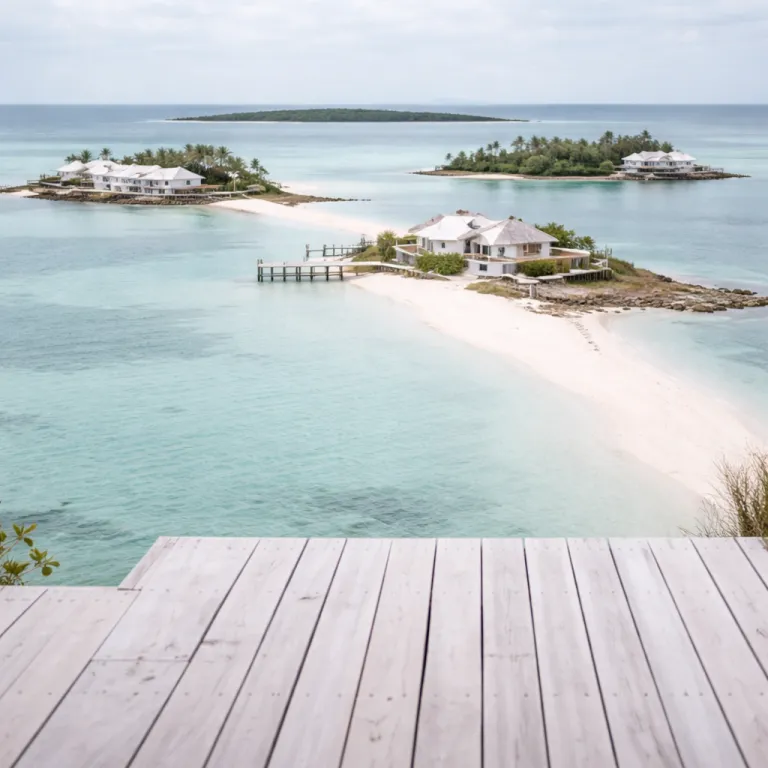
Quirimbas archipelago hotels versus Bazaruto for seasoned Mozambique travelers
Bazaruto Archipelago is the name most travelers learn first. For solo guests who already know those dunes and beaches, quirimbas archipelago hotels feel wilder, with 32 coral island sanctuaries stretched along northern Mozambique and far fewer rooms. This northern island chain rewards patience, because logistics are trickier yet the payoff in solitude and marine life is excellent.
Think of Bazaruto Archipelago as polished barefoot luxury, and the Quirimbas Archipelago as its more remote, more elemental sibling. Here the beaches are narrower but quieter, the island resort options fewer yet more characterful, and the dhow culture around Ibo Island and Quirimba Island still shapes daily rhythms. For a solo trip, that difference matters, because you are not just booking a beach holiday, you are choosing how much you want the island and its people to shape your days.
Where Bazaruto Archipelago works beautifully for first time Mozambique visitors, Quirimbas lodges suit travelers who already understand the country’s weather patterns and flight routes. You trade easy access for richer diving and fishing, and for a national park that still feels genuinely wild. If you are ready to visit Quirimbas for a second or third Indian Ocean escape, the shift north feels like a natural start rather than a leap into the unknown.
Planning the flight north and why solo travelers handle Quirimbas best
Reaching the Quirimbas Archipelago usually starts with a flight to Pemba in northern Mozambique. From this coastal gateway, transfers to quirimbas archipelago hotels run by helicopter or private boats, sometimes via light aircraft hops to smaller airstrips on an island such as Ibo. Depending on your lodge, the journey from Pemba can take 30 to 90 minutes by air or two to four hours by boat, which is exactly why independent travelers often find it easier to manage than larger groups.
Most international visitors route via Maputo or Johannesburg with regional carriers such as LAM Mozambique Airlines, Airlink or occasionally Ethiopian Airlines, with typical flight times to Pemba of around two to three hours. Solo explorers tend to travel light, adjust plans quickly and embrace the slightly unpredictable weather and sea conditions. When diving conditions shift or a boat transfer moves by a day, one person can pivot faster than a family, especially during the dry season when trade winds can still roughen the channel. That flexibility lets you choose the right month and season for your priorities, whether you care more about calm seas for diving snorkelling or cooler air temperatures for long beach walks.
Before you visit Quirimbas, book flights and island accommodation well ahead, because beds are limited and island lodge capacity is small. Check visa rules for Mozambique, consider travel insurance that covers remote islands and medical evacuation, and allow a buffer day in Pemba at the start or end of your trip. For that stopover, properties near the coast pair well with more intimate southern stays such as the six room hideaway outside Vilanculos described in this Mozambique coastal retreat review, giving you a sense of how different regions of the country feel.
The Medjumbe situation and how to shortlist current island stays
For years, Medjumbe Island and the Medjumbe Island Resort, also known as Anantara Medjumbe Island Resort, defined the fantasy of a tiny private island in the Quirimbas Archipelago. With just 12 villas, Medjumbe private stays were the shorthand for castaway luxury, and many repeat guests still ask about its status. As of early 2024, the resort is closed according to recent operator updates, which has real implications for how you shortlist quirimbas archipelago hotels.
Without Medjumbe Island on the table, attention shifts to other island resort options such as Azura Quilalea on Quilalea Island and Ibo Island Lodge on Ibo Island. These properties sit within reach of Quirimbas National Park’s marine zones, yet each offers a different style of beach holiday and a different balance between diving, fishing and cultural immersion. Mequfi Beach Resort, a five star property on the mainland near the park boundary, adds another layer, giving you a more conventional beach base with day trips into the archipelago.
Solo travelers should think in terms of what kind of week they want rather than chasing a single famous name. If you want a classic private island feel, Azura Quilalea on Quilalea Island comes closest now that Medjumbe private stays are paused, while Ibo Island Lodge offers a more historic island lodge experience in a centuries old settlement. For a softer logistical start or finish, consider a night in Pemba at an elegant coastal hotel, using guidance from this detailed Pemba luxury gateway guide before you head out to visit Quirimbas.
Three quirimbas archipelago hotels and the kind of week each delivers
Ibo Island Lodge is the grand old address of the Quirimbas, with 14 air conditioned rooms set in restored mansions facing the tidal channels. Staying here feels less like a standard island resort and more like joining a small community, where dhow builders, silversmiths and fishermen share the same narrow streets. It suits solo travelers who want their beach holidays laced with history, guided walks and slow evenings on the ramparts watching the weather roll in.
Azura Quilalea, on tiny Quilalea Island, is the archetypal private island retreat, with nine coral rock villas tucked among baobabs and soft sand. Here the focus is on water, with diving snorkelling trips running daily when diving conditions allow, and kayaks ready for calm days when the sea turns glassy. This is where you come if your trip revolves around the reef, from early morning diving to late afternoon fishing, with staff quietly adjusting plans to match tides, currents and underwater visibility.
Matemo Island Resort, on Matemo Island, offers 24 beachfront chalets and a more classic beach resort rhythm, with long beaches and a broader mix of activities. It works well if you want to start with structured excursions, then peel away into solo time as you learn the island and its paths. All three quirimbas archipelago hotels sit within reach of Quirimbas National Park waters, and all can arrange dhow sailing, because as one local operator puts it, “Activities include diving, snorkeling, fishing, and dhow sailing.”
Diving, seasons, marine life and dhow culture around Ibo and beyond
The Quirimbas Archipelago lives and breathes through its tides, so timing your visit matters. The dry season, roughly from May to October, usually brings more stable weather, clearer skies and cooler night temperatures, which many travelers find excellent for sleep and long beach walks. In wetter months, showers can roll through quickly, but the sea can turn a luminous turquoise that makes even short days on the beach feel cinematic.
Diving conditions shift by month and season, so speak frankly with your chosen island lodge about visibility, currents and water temperatures. Around Vamizi Island, Quilalea Island and the reefs off Ibo Island, walls and pinnacles host rich coral and pelagic life, with whale sharks and humpback whales passing through Mozambican waters in their own migration windows. Some islands also see a turtle nesting season on quieter beaches, which lodges manage carefully to balance guest access with conservation rules inside the national park.
Beyond diving and fishing, dhow culture is what anchors many quirimbas archipelago hotels to their setting. Traditional sailing boats still carry goods and people between islands, and a dhow trip at the start or end of your stay can frame the whole trip differently. For a broader sense of Mozambique’s island culture, you can also read about another Indian Ocean retreat in this elegant Benguerra Island escape, then compare how Bazaruto Archipelago and the Quirimbas Archipelago each shape their own style of coastal life.
Shaping a solo itinerary: Ibo, Quirimba and the wider Quirimbas National Park
Designing a solo itinerary through the Quirimbas Archipelago works best when you combine at least two islands. One smart pattern is to start with Ibo Island Lodge for three or four days, using its guided walks and dhow trips to understand the history of Ibo Island and the surrounding channels. Then move to a quieter private island such as Quilalea Island for a more meditative stretch of beach time and focused diving.
Quirimba Island, often visited as a day trip from Ibo, offers a different rhythm again, with long tidal beaches and small villages that show how everyday life in northern Mozambique unfolds. These visits, when handled respectfully with local guides, turn a simple beach holiday into a richer trip, because you see how the archipelago’s fishing grounds, mangroves and sandbanks support real communities. Within the wider Quirimbas National Park, lodges and operators are increasingly focused on eco friendly practices, aligning with the broader rise in marine conservation across Mozambique’s coast.
For solo travelers who already know Bazaruto Archipelago, this mix of culture, reef and remoteness is what makes quirimbas archipelago hotels worth the extra flights and boat rides. You are not just chasing perfect beaches or a single whale sighting, you are choosing an archipelago where conditions, tides and human stories still shape each day. Plan carefully around weather, seasons and your own appetite for adventure, and the Quirimbas Archipelago will repay that attention with a quietly unforgettable week.
FAQ
How do I get to the Quirimbas Archipelago from abroad ?
Most travelers fly into Maputo or Johannesburg, then connect to Pemba in northern Mozambique with a regional airline such as LAM Mozambique Airlines, Airlink or another carrier serving the route. From Pemba, quirimbas archipelago hotels arrange onward transfers by helicopter, private boat or light aircraft to your chosen island. Build in a buffer day in Pemba in case weather or sea conditions affect the final leg.
What activities can I expect at quirimbas archipelago hotels ?
Core activities include diving, snorkeling, fishing and dhow sailing, with many lodges also offering kayaking and stand up paddleboarding. Around islands such as Quilalea Island, Vamizi Island and Ibo Island, diving conditions can be excellent, with healthy coral reefs and abundant marine life. Cultural walks, village visits and historical tours on Ibo Island round out the experience for travelers who want more than just beach time.
When is the best season to visit Quirimbas for diving and marine life ?
The dry season generally brings more predictable weather, calmer seas and clearer underwater visibility, which suits diving and snorkeling. Specific months for whale sharks, humpback whales and turtle nesting season vary, so it is wise to ask your chosen island lodge for current patterns before you book. Solo travelers often plan their trip around a particular marine highlight, then add extra days for flexibility in case conditions shift.
Are there eco friendly and community focused lodges in the Quirimbas Archipelago ?
Several quirimbas archipelago hotels, including Ibo Island Lodge and Azura Quilalea, emphasize sustainable practices such as reef friendly diving, reduced plastic use and support for local employment. Being partly within Quirimbas National Park means many operators work closely with conservation projects and community initiatives. When you book, ask specific questions about how your stay contributes to marine protection and local livelihoods.
How far in advance should I book quirimbas archipelago hotels ?
Because the Quirimbas Archipelago has relatively few rooms across its island resorts, it is wise to book several months ahead, especially for peak dry season dates. Solo travelers sometimes find last minute gaps, but relying on that can limit your choice of island and room type. Early planning also helps you secure the best flight connections to Pemba and align your stay with your preferred weather and diving conditions.