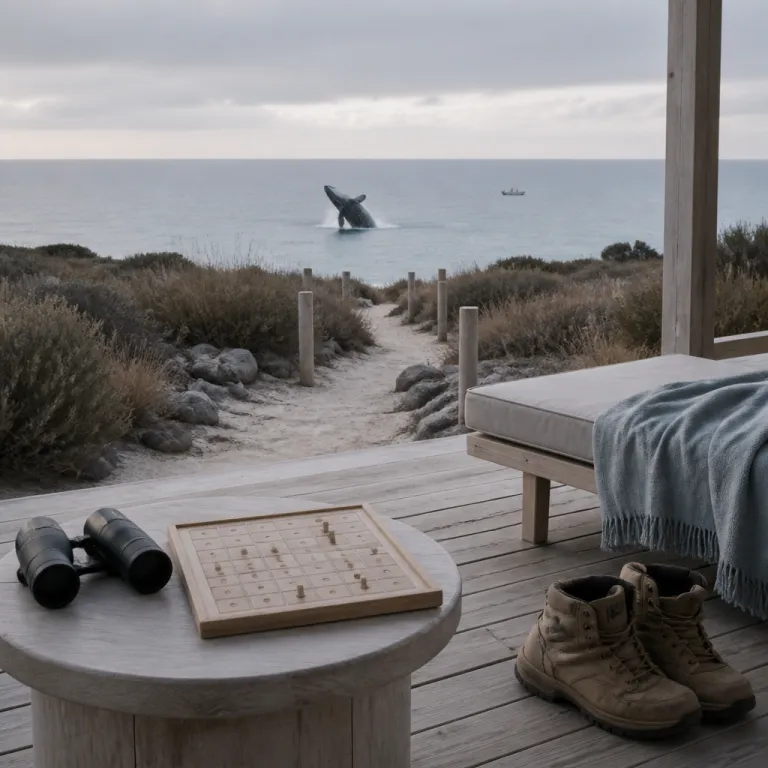
Why mozambique july travel is peak season for coastal retreats
July in Mozambique is when the coast feels finely tuned. The dry season settles over the country and Mozambique July travel becomes the sweet spot between clear skies, cool evenings, and warm Indian Ocean water. For couples planning a beach holiday, this is the best time to align romance, wildlife, and reliable logistics.
Along the shoreline of Mozambique south of Maputo and up into northern Mozambique, humpback whales begin to dominate the seascape. The World Cetacean Alliance and regional marine biologists confirm that “July to September is peak season” for sightings, and that single fact quietly shapes every serious Mozambique travel plan. Local lodges and marine research partners treat the migration as a headline seasonal event, not a sideshow, so your international travel dates should respect that rhythm.
Average daytime temperatures hover around 25 °C on the coast, with nights dropping to about 16 °C, which keeps driving conditions and walking trails comfortable. Those numbers matter for Mozambique July travel because they influence everything from what you pack to how long you will stay outside on a dhow deck. Inland, mornings in areas near any national park are cooler, so layers become essential if you split time between safari and sea.
Because July is school holiday season for many visitors from South Africa and the United States, demand for premium rooms spikes. Lodges in key areas like Vilanculos, Tofo, and Ponta do Ouro report that “Yes, lodges in Mozambique are busy in July due to school holidays and whale season.” For couples, that means you should treat your Mozambique travel dates as fixed early, then build your itinerary around confirmed suites rather than waiting for last minute inspiration.
Humpback whales and coastal areas: where mozambique july travel truly shines
The defining image of Mozambique July travel is a humpback whale breaching against a pale winter sky. These migratory giants travel roughly 8 000 km from Antarctic waters to the warm, protected areas off Mozambique to calve, turning the coast into one of the most compelling marine stages in the African region. For luxury travelers, the question is not whether you will see whales, but from which style of lodge and which stretch of beach you want to watch them.
Tofo, on the south central coast, offers some of the most intimate boat based encounters, with operators using hydrophones and binoculars to locate whales before approaching at respectful distances. Farther north, the Bazaruto Archipelago and the Quirimbas Archipelago lean into a quieter, more exclusive version of Mozambique’s winter beach season, where dhow sails replace speedboats and you may watch whales from your private deck while staff bring grilled seafood and fresh fruit. For a broader seasonal context on dry season experiences, the guide on dry season in full swing between June and September helps you understand how whale watching fits alongside other coastal and inland activities.
Cliff top lodges in northern Mozambique sometimes offer land based whale sightings, which suits couples who prefer to avoid long hours on the water. These properties turn Mozambique travel into a slow theatre of tides, whales, and passing dhows, with staff adjusting meal times so people do not miss a breach. When you visit Mozambique in July, ask explicitly whether your chosen suite faces known whale corridors, because not every room in a given property shares the same line of sight.
Wherever you stay, follow current travel advisories from your home country and from Mozambique’s own authorities, especially if you plan to combine coastal retreats with inland national park visits. The United States Department of State (travel.state.gov) and similar agencies in South Africa publish updates on any security risk in specific areas, and these can influence whether you will drive or fly between regions. Responsible visiting Mozambique means balancing the thrill of remote beaches with a clear understanding of which parts of the country to avoid at a given time.
Choosing your coastal retreat: islands, mainland, and mozambique south
For couples focused on Mozambique July travel, the first big decision is island versus mainland. Island lodges in the Bazaruto and Quirimbas Archipelago deliver that classic barefoot luxury beach holiday, with powder sand, clear water, and staff who know exactly when the whales tend to pass the reef. Mainland properties in Mozambique south, around Ponta do Ouro and the Maputo coastline, offer easier access, more varied food scenes, and sometimes better value at the top end.
Island stays suit travelers who want to compress their time in Mozambique into a single, immersive coastal experience, often reached via short flights from South Africa or direct international connections into Vilanculos. These islands work beautifully for a honeymoon or anniversary, and the detailed comparison in this guide to choosing between Bazaruto, the mainland, and lesser known islands is especially useful for couples. Mainland coastal areas, by contrast, make it easier to combine visiting Mozambique with cross border international travel, such as a safari in Kruger National Park followed by a drive to Ponta do Ouro for a softer, more laid back beach holiday.
When you plan travel to Mozambique in July, remember that the best time to secure premium suites is several months before your intended time to visit. The lodge calendar fills quickly, particularly for villas with private pools, direct beach access, or prime whale watching views, and cancellations are rare in this season. If your preferred island property is full, consider a strategy where you will split your holiday between a high end mainland lodge and a shorter island stay, using any last minute availability that appears.
Pay attention to practicalities such as driving conditions, travel health, and insurance, especially if you will rent a vehicle to connect different coastal areas. Roads in Mozambique south are generally better maintained than in some northern regions, but night driving is still best to avoid because of livestock, pedestrians, and limited lighting. For international travel, check that your policy covers marine activities, and speak with a travel health specialist about vaccinations, malaria prophylaxis, and post travel checks if you have spent time in rural zones.
Logistics, safety, and health: making mozambique july travel seamless
July’s dry weather makes logistics for Mozambique July travel more predictable, but premium travelers still need to plan with care. International flights into Maputo, Vilanculos, and Nampula connect the country with South Africa and other regional hubs, and these routes often sell out around school holidays. If you are flying from the United States or Europe, build in generous connection times to avoid stress when transferring to smaller aircraft that serve island and remote coastal areas.
Before you visit Mozambique, review current travel advisories from your own state authorities and from the Department of State in Washington, especially if you intend to explore northern Mozambique or combine coastal retreats with a national park stay. Some parts of the country have a higher security risk than others, and a good operator will be transparent about which areas they recommend you avoid at a given time. For most couples focused on Mozambique July travel, the main coastal corridors used for tourism remain stable, but it is wise to confirm conditions close to your time in Mozambique rather than relying on outdated impressions.
Health considerations are straightforward but non negotiable. Speak with a clinic that specializes in travel health about malaria, routine vaccinations, and any specific risks linked to water activities or food hygiene in the areas you plan to visit, then follow their advice carefully. During and after visiting Mozambique, monitor how you feel and seek post travel medical advice if you experience fever or unusual symptoms, especially after time in rural or wetland regions.
On the ground, simple habits make Mozambique travel smoother. Drink bottled or properly filtered water, choose seafood that is freshly cooked through, and ask your lodge about any local health advisories before swimming off remote beaches. When driving, keep to daylight hours, respect speed limits, and remember that people, animals, and unmarked speed bumps can appear suddenly, even on seemingly empty coastal roads.
Quick checklist for couples planning July in Mozambique
– Book flights and lodges 6–9 months ahead for peak whale season.
– Pack light layers, a windproof jacket, reef shoes, sunscreen, and a wide brimmed hat.
– Confirm travel insurance that covers marine activities and medical evacuation.
– Check official travel advisories and malaria guidance before departure.
– Avoid night driving and keep emergency contacts and lodge numbers handy.
FAQ
What is the best time to visit Mozambique for whale watching and beaches
The best time to visit Mozambique for humpback whale watching and a relaxed beach holiday is from July to September, when the dry season brings clear skies and calm seas. During this period, daytime temperatures average around 25 °C on the coast, which is comfortable for both boat excursions and long walks on the sand. For couples planning Mozambique July travel, this window aligns perfectly with peak whale activity and the most reliable marine conditions.
How busy are lodges in Mozambique in July
Lodges in Mozambique are very busy in July because the dry season coincides with school holidays in South Africa and other source markets. Whale migration, cooler evenings, and excellent visibility for both diving and safaris mean that premium suites and villas often sell out months in advance. If you want specific room categories or the best whale watching views, secure your bookings early and ask your lodge to waitlist you for any upgrades that open through cancellations.
What are the average temperatures in Mozambique in July
In July, coastal Mozambique usually sees daytime temperatures around 25 °C and nighttime temperatures near 16 °C, which feels pleasantly cool rather than cold. Inland areas and higher elevations can be a few degrees cooler in the early morning, especially near any national park where game drives start at dawn. For Mozambique July travel, pack light layers, a windproof jacket for boat trips, and reef shoes for low tide walks over coral and rock.
Are there specific health or safety considerations for mozambique july travel
Yes, you should consult a travel health specialist before visiting Mozambique to discuss malaria prevention, routine vaccinations, and any region specific risks in the areas you plan to visit. It is also important to follow current travel advisories from your home country and from Mozambique’s authorities, particularly if you intend to explore northern Mozambique or remote inland regions. During your holiday, drink safe water, avoid night driving, and follow lodge guidance on swimming conditions and wildlife encounters, then seek post travel medical advice if you feel unwell after returning home.
How should couples choose between islands and mainland coastal areas
Couples focused on romance and seclusion often prefer island lodges in the Bazaruto or Quirimbas Archipelago, where private villas, quiet beaches, and direct whale watching views define the stay. Mainland coastal areas such as Ponta do Ouro and the broader Mozambique south region work better for travelers who want easier access, more varied restaurants, and the option to combine their trip with a safari in South Africa. For Mozambique July travel, a smart strategy is to split time between a mainland retreat and an island stay, balancing convenience, budget, and the specific experiences that matter most to you.