Things to do in Mozambique for luxury and premium travellers
Coastal elegance in Mozambique island and Ilha de Moçambique
Among the most compelling things to do in Mozambique, staying on a historic island wrapped in turquoise water ranks very high. Mozambique Island, also known as Ilha de Moçambique, blends coral stone architecture, a calm beach atmosphere, and refined guesthouses that appeal to luxury travellers. This small island off the north coast of Mozambique in East Africa offers a rare mix of heritage, comfort, and intimate scale.
The old stone town on Mozambique Island is a UNESCO World Heritage site, where every place tells a story of Portuguese traders, Swahili merchants, and local Makua people. Walking through stone town streets, you pass whitewashed chapels, coral stone mansions, and a national museum housed in the former São Paulo palace. Many premium hotels here curate private walking tours with expert local guides, turning a simple stroll into a tailored travel experience that feels like your own personal travel guide to the island.
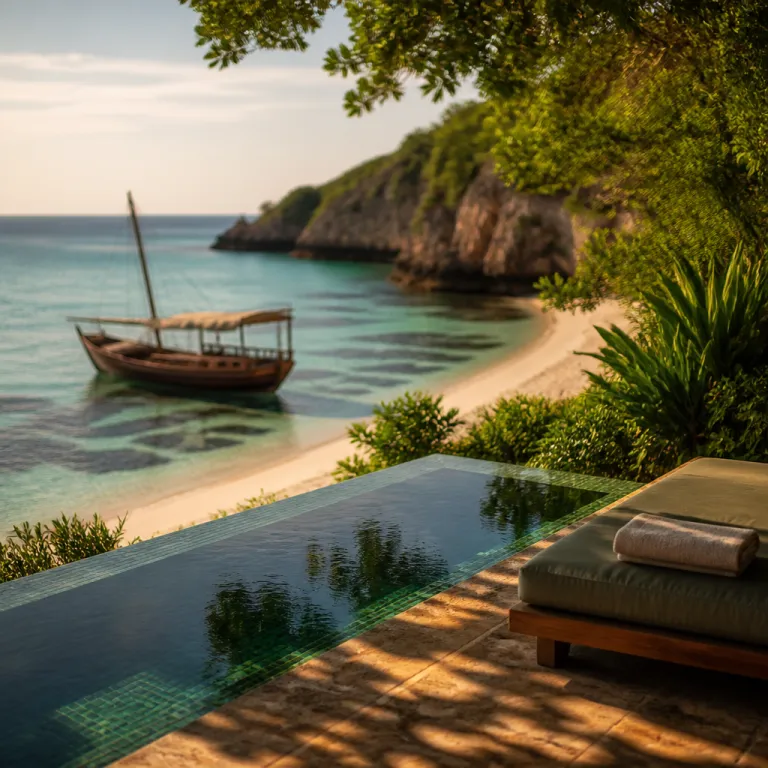
For travellers planning Mozambique travel with a focus on culture, Ilha de Moçambique offers both quiet time and immersive activities. You can sail at sunset on a traditional dhow, gliding between the island and the mainland while staff serve chilled drinks and light canapés. Luxury properties often arrange dhow cruises in both private and small group formats, so people can choose between romantic seclusion or a more social atmosphere that still feels exclusive.
Beach time on this island is gentle rather than flashy, which suits guests who value tranquillity. The lagoon side of Ilha de Moçambique has shallow, warm Indian Ocean water, ideal for relaxed swims between spa appointments or after a guided heritage walk. Many travellers combine several days on Mozambique Island with other places in Mozambique, using it as a refined starting point before flying south to the Bazaruto Archipelago or driving inland toward a national park.
Food is another highlight among the most memorable things to do in Mozambique for discerning visitors. Chefs on Ilha de Moçambique work with fresh seafood, coconut, and spices to reinterpret Portuguese and local recipes in elegant tasting menus. Expect grilled prawns, octopus rice, and fragrant matapa served in restored stone courtyards, where the sound of the Indian Ocean carries softly across the island at night.
Because Mozambique Island is compact, luxury hotels can easily coordinate bespoke experiences that connect you with local people in respectful ways. You might visit an artisan workshop in stone town, attend a small music performance, or join a cooking class that explores both Portuguese and African influences. These curated encounters help ensure that tourism supports the community while giving guests deeper insight into daily life on this remarkable island in Mozambique.
Marine adventures in the Bazaruto Archipelago and Ponta do Ouro
For travellers who prioritise ocean based things to do in Mozambique, the Bazaruto Archipelago and Ponta do Ouro offer some of the most rewarding marine adventures in East Africa. The Bazaruto Archipelago, off the coast from Vilankulo, is a protected national park where coral reefs, shifting sand dunes, and clear Indian Ocean water create a pristine setting. Luxury lodges on each island specialise in personalised service, arranging private boats, beach picnics, and tailored diving itineraries.
Scuba diving here is a major highlight for Mozambique travel, especially for guests staying at premium properties that partner with experienced marine biologists. The coral reefs around Bazaruto support turtles, reef fish, and seasonal rays, and visibility can be excellent during the dry season. If you want a deeper understanding of the marine ecosystem, consider a guided experience such as diving in Bazaruto with a marine biologist on the dive boat, which many high end lodges can help arrange.
On the surface, the Bazaruto islands offer some of the most photogenic beach settings among all places in Mozambique. Powder soft sand, calm lagoons, and sweeping views across the Indian Ocean make this archipelago ideal for couples seeking privacy and families wanting safe swimming conditions. Luxury hotels often set up shaded day beds directly on the beach, so people can move effortlessly between the water, a gourmet lunch, and an afternoon spa treatment.
Ponta do Ouro, near the border with South Africa, offers a different but equally appealing coastal experience. This town is famous for its warm water, playful dolphins, and relaxed atmosphere, which attracts both adventure travellers and guests from premium resorts further north. Many visitors consider dolphin encounters and reef scuba diving in Ponta do Ouro among the most exhilarating things Mozambique can offer in a single day.
From a luxury perspective, Ponta do Ouro works well as part of a wider Mozambique travel itinerary that includes Maputo and at least one island stay. You might spend a few nights in a refined hotel in the capital, then transfer by road to this coastal town for marine activities. High end operators can coordinate private vehicles, ensuring that the journey between Maputo and Ponta do Ouro feels comfortable, safe, and efficient for international visitors.
Whether you choose the Bazaruto Archipelago, Ponta do Ouro, or both, the key is to align your hotel choice with the specific marine activities you value most. Some properties focus on scuba diving and coral reefs, while others emphasise sailing on a traditional dhow, sandbank picnics, or family friendly snorkelling. When you visit Mozambique with a clear sense of your priorities, it becomes easier to select the right place and the right level of service for your coastal adventure.
Wildlife, safaris, and Gorongosa National Park in style
Combining coastal luxury with wildlife viewing is one of the most rewarding things to do in Mozambique for discerning travellers. The country’s national park network is rebuilding its reputation, and Gorongosa National Park now stands out as a flagship conservation success story in Africa. For guests who value both comfort and purpose driven travel, a stay near Gorongosa National can be the highlight of a longer itinerary.
Gorongosa National Park lies in central Mozambique, far from the beach resorts of the Indian Ocean but easily integrated into a multi stop journey. The park is known for its recovering elephant herds, diverse birdlife, and dramatic landscapes that range from floodplains to forested plateaus. Luxury and premium camps here focus on low impact design, using natural materials and careful planning to minimise their footprint while still offering high quality service.
Game drives in Gorongosa provide a different safari experience compared with more crowded destinations elsewhere in East Africa. You may spend long stretches of time with very few other vehicles in sight, which appeals to travellers seeking privacy and a sense of genuine wilderness. Guides share detailed insights into wildlife behaviour, rewilding projects, and the role of local people in protecting the park, turning each drive into an educational journey rather than just a checklist of animals.
Timing matters when you plan Mozambique travel that includes both safari and coast. The dry season, from May to October, is generally considered the best time to visit Mozambique for wildlife viewing because animals concentrate around remaining water sources. For a deeper look at seasonal patterns and how they affect activities, many travellers consult resources such as guides to experiences that peak between June and September before finalising their bookings.
Beyond Gorongosa, other national park areas in Mozambique are gradually improving their infrastructure and hospitality offerings. Some coastal reserves combine marine and terrestrial wildlife, allowing you to move from a morning snorkel with colourful fish to an afternoon drive among antelope and birdlife. When you choose a premium lodge, you often gain access to private guides, flexible schedules, and custom activities that align with your interests, whether that means photography, walking safaris, or conservation focused visits to research projects.
For many guests, the most meaningful things Mozambique offers are the human connections that emerge around the campfire after a day in the bush. Staff share stories about life near the park, researchers explain current projects, and fellow travellers compare sightings of elephant herds or rare birds. These shared moments, supported by attentive service and comfortable accommodation, transform a simple safari into a deeply personal chapter of your Mozambique travel story.
Maputo, stone town heritage, and urban experiences
While beaches and safaris dominate many lists of things to do in Mozambique, the capital city Maputo deserves a place in any well rounded itinerary. This coastal metropolis offers a lively mix of Portuguese era architecture, contemporary African culture, and a growing luxury hotel scene. For travellers who appreciate art, food, and nightlife, Maputo provides a sophisticated counterpoint to quieter island and park destinations.
Staying in a premium hotel in Maputo allows you to explore the city’s key landmarks with ease and comfort. The historic train station, often cited as one of the most beautiful in Africa, showcases elegant ironwork and a grand dome that reflect Mozambique’s colonial past. Nearby, wide avenues lined with jacaranda trees lead to markets, galleries, and waterfront promenades where local people gather at sunset to enjoy the Indian Ocean breeze.
Food is a central part of the Maputo experience and a highlight among urban things Mozambique offers. Restaurants range from casual seafood grills to refined dining rooms where chefs reinterpret Portuguese and Mozambican classics with contemporary flair. Many luxury hotels work closely with these venues, securing preferred tables for guests or arranging private tastings that showcase local wine, fresh prawns, and fragrant peri peri sauces.
Architecture lovers will find echoes of stone town heritage in several Mozambican cities, even though the famous Stone Town of Zanzibar lies across the water in another country. In Maputo and other coastal towns, coral stone buildings, arcaded streets, and ornate balconies reveal centuries of trade across the Indian Ocean. Exploring these districts with a knowledgeable guide turns a simple walk into a living travel guide to Mozambique’s layered history.
From Maputo, it is easy to connect with other places in Mozambique by air or road, making the city a practical hub for complex itineraries. Many travellers arrive in Maputo, spend a night or two in a luxury hotel, then continue to Mozambique Island, the Bazaruto Archipelago, or a national park. This pattern allows time to adjust after a long flight, handle any final travel logistics, and enjoy a first taste of Mozambican culture before heading into more remote areas.
For guests who value wellness and relaxation alongside urban exploration, Maputo’s top properties now offer sophisticated spa and wellness facilities. If you are planning a longer journey, it can be helpful to review a dedicated overview of spa and wellness experiences in Mozambique’s luxury and premium hotel landscape before choosing where to stay. Combining city energy with restorative treatments ensures that your time in the capital feels both stimulating and restorative.
Heritage, culture, and traditional dhow journeys
Cultural immersion ranks among the most enriching things to do in Mozambique, especially for travellers who choose hotels that actively connect guests with local communities. From Mozambique Island to coastal towns on the mainland, you will encounter a blend of African, Arab, and Portuguese influences that shape language, architecture, and daily rituals. Luxury properties increasingly recognise that guests want more than a beautiful beach; they want meaningful stories and authentic encounters.
One of the most evocative ways to experience this cultural blend is by sailing on a traditional dhow. These wooden sailing vessels have crossed the Indian Ocean for centuries, linking Mozambique with other parts of East Africa and beyond. Today, many high end lodges and hotels offer dhow excursions at sunrise or sunset, often including snorkelling stops over coral reefs or visits to small fishing villages where people still rely on the sea for their livelihood.
Heritage focused travellers will find that several Mozambican sites carry UNESCO recognition or strong associations with UNESCO heritage values. Mozambique Island, with its stone town and coral stone fortifications, is the most famous example, but other historic places in Mozambique also reflect the country’s role in global trade networks. When you visit Mozambique with a focus on culture, consider working with tour operators who employ local guides trained to interpret this complex history with sensitivity.
Music and dance are another essential part of the cultural landscape and a highlight among non beach things Mozambique offers. In coastal towns and inland communities, performances often blend drums, call and response singing, and intricate footwork that reflects both ancient traditions and modern influences. Many premium hotels arrange small, private performances for guests, ensuring that artists are fairly compensated while visitors enjoy an intimate window into local creativity.
Language adds yet another layer to the experience of Mozambique travel. Portuguese is the official language, but you will also hear numerous local languages, especially in markets and residential neighbourhoods. Learning a few simple phrases in Portuguese can transform everyday interactions, making it easier to ask for recommendations, thank people for their help, and show respect for local customs.
Responsible cultural tourism depends on thoughtful choices from both travellers and hospitality providers. When selecting a luxury hotel or excursion, look for clear information about how the business supports local people, preserves natural and cultural heritage, and manages its environmental impact. Official tourism briefings note that Mozambique is generally considered safe for tourists who exercise standard precautions, and respectful behaviour, informed planning, and collaboration with reputable operators help ensure that your cultural experiences are both safe and beneficial for the communities you visit.
Planning luxury stays: when to go, how to move, where to stay
Thoughtful planning is essential if you want to enjoy the most rewarding things to do in Mozambique while staying in luxury or premium accommodation. The country stretches along more than 2 400 kilometres of coastline, so distances between each island, town, and national park can be significant. Deciding how much time to spend in each place will shape your overall experience more than any single activity.
Seasonality is a key factor when you design your Mozambique travel itinerary. The dry season from May to October usually brings cooler temperatures, lower humidity, and better conditions for both safari and beach activities. Many travellers choose this period as the best time to visit Mozambique, especially if they plan to combine Gorongosa National Park with coastal stays in the Bazaruto Archipelago or Ponta do Ouro.
Transport logistics also deserve careful attention, particularly for guests who value comfort and efficiency. Domestic flights link Maputo with several regional hubs, including Vilankulo for the Bazaruto islands and Nampula for access to Mozambique Island and Ilha de Moçambique. In some areas, road transfers remain the most practical option, so working with experienced tour operators or hotel concierges can help you avoid unnecessary delays and ensure that vehicles meet your expectations.
When choosing where to stay, consider how each property integrates local character with international standards of service. Some luxury hotels occupy restored stone buildings in historic districts, while others sit directly on the beach with uninterrupted views of the Indian Ocean. Reading detailed descriptions and asking specific questions about room size, privacy, and included activities will help you match each place to your personal priorities.
Many travellers find it helpful to think of Mozambique in three broad zones when planning: the southern region around Maputo and Ponta do Ouro, the central area that includes Gorongosa National Park, and the northern corridor featuring Mozambique Island and other coastal towns. Structuring your journey around these zones can reduce backtracking and make better use of your time. For example, you might start in Maputo, continue to Gorongosa, then fly north to Ilha de Moçambique before ending on a private island in the Bazaruto Archipelago.
Finally, remember that Mozambique welcomes around 1.6 million international visitors each year, according to recent figures from the Mozambique Ministry of Tourism, and demand for top tier properties can be strong during peak months. Booking early, especially for small island lodges and intimate safari camps, gives you access to the best rooms and the most flexible activity schedules. With careful planning and the right partners, your journey through the islands, towns, and parks of Mozambique can feel seamless, personalised, and deeply rewarding.
Safety, sustainability, and choosing the right partners
As interest grows in high end things to do in Mozambique, questions about safety and sustainability naturally follow. Travellers want reassurance that their journeys will be secure, respectful of local people, and gentle on the natural environment. Choosing the right hotels, guides, and tour operators is the most effective way to achieve these goals while still enjoying a wide range of activities.
Official guidance from Mozambican authorities emphasises that the country is generally safe for visitors who take normal precautions. Before you travel, check visa requirements, review current health advisories, and ensure that your travel insurance covers all planned activities, including scuba diving or safari excursions. On the ground, reputable hotels and operators provide up to date information about local conditions, recommended routes, and any areas that should be avoided at certain times.
Sustainability is especially important in fragile environments such as coral reefs, national parks, and small island ecosystems. When you visit Mozambique’s marine reserves or Gorongosa National Park, look for partners who support conservation projects, limit group sizes, and follow strict guidelines for wildlife viewing. Simple practices, such as keeping a respectful distance from elephant herds or avoiding contact with coral, help protect these natural treasures for future generations.
Economic impact is another dimension of responsible Mozambique travel. Luxury and premium hotels that employ local staff, source food from nearby producers, and collaborate with community projects can play a powerful role in regional development. As a traveller, you can support this by choosing properties that are transparent about their social commitments and by spending time in local markets, restaurants, and cultural venues.
Digital tools now make it easier to research and book high quality experiences across Mozambique. Many tour operators and hospitality services use online platforms to share detailed itineraries, safety protocols, and sustainability policies, giving you a clear picture before you commit. Whether you are planning a dhow cruise from Mozambique Island, a safari in Gorongosa National Park, or a spa retreat on a remote beach, these resources help you compare options and make informed decisions.
Ultimately, the most meaningful things Mozambique offers to luxury travellers arise from a balance between comfort and connection. By working with experienced local guides, choosing hotels that respect both people and place, and approaching each island, town, and park with curiosity, you can enjoy a journey that feels both indulgent and responsible. This combination of elegance, adventure, and ethical awareness is what sets Mozambique apart as a rising star in African travel.
Key statistics about tourism and travel in Mozambique
- Mozambique welcomes around 1.6 million international visitors each year, according to the Mozambique Ministry of Tourism, reflecting steady growth in interest for both beach and safari experiences.
- The country’s coastline stretches for approximately 2 400 kilometres along the Indian Ocean, offering extensive opportunities for beach stays, island retreats, and marine activities such as scuba diving and dhow sailing.
- Gorongosa National Park has become a flagship conservation area in central Mozambique, with recovering elephant herds and diverse wildlife drawing increasing numbers of eco conscious travellers.
- Mozambique Island, recognised as a UNESCO World Heritage site, stands out as one of the most historically significant places in Mozambique and a key destination for cultural tourism.
- Adventure and eco tourism are identified by the Mozambique Ministry of Tourism as fast growing segments, driven by demand for authentic, nature based experiences that combine comfort with sustainability.
Frequently asked questions about luxury travel and things to do in Mozambique
What is the best time to visit Mozambique for luxury beach and safari trips ?
The dry season from May to October is generally considered the best time to visit Mozambique for a combination of beach and safari experiences. During these months, wildlife viewing in Gorongosa National Park and other reserves is usually better because animals gather around limited water sources. Coastal areas also tend to have clearer water and more comfortable temperatures for activities such as scuba diving and dhow sailing.
Do most travellers need a visa to enter Mozambique for holiday stays ?
Most international visitors require a visa to enter Mozambique, including those staying in luxury hotels or private lodges. Requirements vary by nationality, so it is essential to check current regulations with the nearest Mozambican embassy or consulate before you travel. Many travellers arrange their visas in advance to avoid delays on arrival and to ensure a smooth start to their holiday.
Is Mozambique safe for tourists staying in high end hotels and lodges ?
According to official guidance, Mozambique is generally safe for tourists who exercise standard precautions, especially when staying in reputable hotels and lodges. Luxury properties typically provide secure environments, vetted transport options, and up to date local information. As with any international destination, it is wise to follow local advice, avoid displaying valuables, and use trusted operators for excursions.
How many days should I plan for a luxury trip that includes both coast and safari ?
A balanced luxury itinerary that combines beach time, cultural visits, and a safari usually requires at least 10 to 14 days. This allows you to spend several nights in Maputo or another town, enjoy an island or beach stay in the Bazaruto Archipelago or Ponta do Ouro, and include a few days in Gorongosa National Park or another reserve. Longer trips provide more flexibility for internal flights, rest days, and unplanned experiences.
Do I need a guided travel guide or can I explore Mozambique independently ?
Both options are possible, but many luxury travellers choose to work with local guides and tour operators for at least part of their stay. Guided services are especially valuable in national parks, remote islands, and historic districts such as Mozambique Island, where expert knowledge enhances safety and understanding. In cities like Maputo, independent exploration is easier, though hotel concierges can still arrange private tours and transfers when needed.