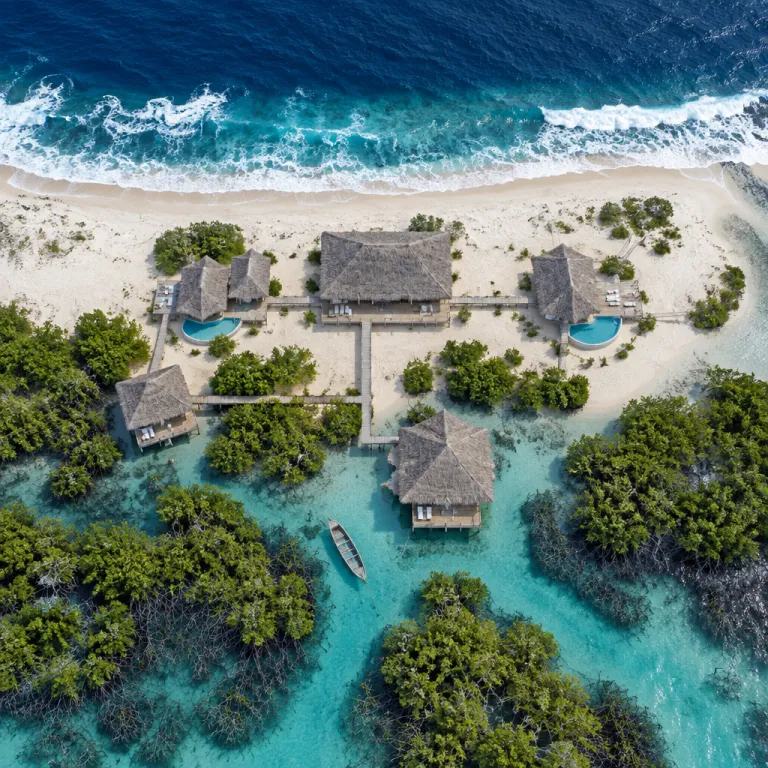
Why mozambique eco lodge design starts with climate, not décor
Mozambique sits on a long, hot and humid coast where design decisions are survival tools. In serious mozambique eco lodge design, architects start with wind direction, shade angles and tidal movement before they even sketch a house or a room for future guests. That climate first mindset separates a true eco lodge from a simple rustic beach resort that only looks natural.
On an Indian Ocean island, deep verandas and raised timber decks keep floors cool while allowing air to circulate under each lodge and along the sand dunes. Cross ventilation replaces air conditioning in many rooms, which is why you will often see wide openings facing both the beach and the inland bush in the best eco properties that focus on sustainable tourism rather than just visual drama. This passive approach lowers the carbon footprint of every stay and lets guests enjoy the sound of the ocean instead of a compressor.
Glass walls are rare in authentic mozambique eco lodge design because they trap heat and demand constant cooling. Designers working along the Bazaruto Archipelago often choose high thatched roofs and adjustable shutters instead, which create shade while framing an ocean view without sealing it behind glass. For a solo explorer planning travel through lodge Mozambique properties, this type eco strategy means lighter buildings, softer temperatures and a more immediate connection to the marine life just offshore.
The material vocabulary of the coast: makuti, mangrove and coral rag
The most convincing mozambique eco lodge design speaks the language of local materials. Makuti thatch, mangrove poles, coral rag stone, lime plaster, canvas and reclaimed timber all belong to this coastline and to its long history of coastal tourism and fishing settlements. When a lodge uses these elements with care, the result feels like an eco luxury retreat that could only exist in Mozambique, not a generic island resort imported from somewhere else.
Makuti roofs, woven from palm leaves, create deep shade and allow hot air to rise away from sleeping areas, which is vital in a hot climate where wellness and rest matter as much as aesthetics. Mangrove poles, when harvested under strict sustainability rules, can support decks and walkways that hover lightly above the sand dunes and fragile vegetation, reducing the building footprint and protecting natural drainage patterns. Coral rag and lime plaster, used sparingly, add thermal mass that keeps interiors cool without heavy mechanical systems, an approach that aligns with eco conscious travelers who value sustainability over spectacle.
For travelers comparing eco resort options, look at how often you see concrete slabs versus raised timber platforms and how many surfaces are locally sourced rather than imported. Properties that prioritise reclaimed wood, hand finished lime and canvas screens usually signal deeper respect for both environment and local house building traditions. To go further into nature focused architecture and eco friendly luxury choices, explore this guide to eco friendly luxury and premium hotel booking in Mozambique, which unpacks how design choices shape every guest experience.
Low density footprints: lodges that disappear into dunes and marine parks
On islands such as Benguerra Island in the Bazaruto Archipelago, strict marine park rules limit how many keys a lodge can build. Rather than a constraint, this low density approach has become a defining feature of mozambique eco lodge design and of the most refined luxury experiences on this coast. Fewer rooms mean more space between each house or villa, which helps respect privacy while keeping wildlife corridors open from bush to beach.
Some of the most admired properties, from Kisawa Sanctuary on Benguerra to Sava Dunes near Vilanculos, stretch their rooms along the shoreline instead of stacking them, so every lodge enjoys an ocean view without towering over the dunes. Paths are often sandy rather than paved, and lighting is kept low to protect marine life and nesting turtles, which also makes night walks feel quietly theatrical for guests. This type eco planning reduces erosion, preserves natural contours and keeps the carbon footprint of infrastructure surprisingly light for such high end tourism.
Solar power fields are tucked behind dunes or integrated into service areas, allowing an eco lodge to run desalination plants and back of house systems without burning diesel. When you read about seagrass meadows and dugong conservation in the region, such as in this feature on saving Bazaruto’s underwater meadows, you start to see how lodge siting decisions directly affect underwater ecosystems. For eco conscious travelers, choosing a lodge Mozambique property that builds lightly on land is one of the most powerful ways to support sustainable tourism in this part of Mozambique.
The luxury of restraint: rooms shaped by breeze, shade and light
In the best examples of mozambique eco lodge design, luxury is defined by air, light and silence rather than marble and chrome. Rooms are often one or two steps above the sand, with three solid walls at most and a fourth side that opens entirely to the beach or bush. That openness lets guests enjoy the changing light, the sound of waves and the feeling of being in a natural house rather than a sealed resort suite.
At places like Kisawa and other high end lodges across Mozambique, you will notice wide daybeds on verandas, outdoor showers screened by timber and yoga decks oriented toward sunrise instead of oversized televisions. These gestures are not aesthetic afterthoughts ; they are part of a wellness focused philosophy that treats sleep, fresh air and gentle movement as core to the experience. Morning yoga sessions facing the ocean view, followed by quiet time under makuti shade, often feel more indulgent than any spa menu because they align with the rhythms of the island itself.
Restraint also shows up in how technology is handled, with solar power systems quietly supporting essentials while leaving rooms free of visible machinery. Many eco resort teams choose fans over air conditioning where possible, trusting cross breezes and high ceilings to do the work, which keeps energy use low and soundscapes calm. For a deeper dive into how nature led design shapes high end stays, see this analysis of nature inspired luxury hotel experiences in Mozambique and use it as a lens when you compare different lodge Mozambique options.
How to read a lodge for genuine sustainability, not greenwash
For a solo traveler planning eco conscious travel through Mozambique, the hardest part is often separating genuine mozambique eco lodge design from clever marketing. Start with energy and water ; ask whether solar power is primary or just a token panel on a staff house, and whether desalination and wastewater systems are sized to match the number of guests. Buildings that can be disassembled or relocated, such as timber platforms on screw piles, usually indicate a serious commitment to reversibility and low impact tourism.
Food and operations matter as much as architecture, so look for kitchens that highlight locally sourced seafood and produce rather than imported luxury items flown in daily. Staff training, community partnerships and conservation fees tell you whether an eco lodge is part of a wider sustainable tourism network or simply using the word eco as décor. When a property explains how it measures and reduces its carbon footprint, and how guests enjoy contributing through lighter housekeeping or refillable water systems, you are usually looking at the best eco tier of lodges rather than surface level styling.
Design details also reveal intent ; raised walkways that protect vegetation, minimal hard landscaping on sand dunes and thoughtful lighting plans all show respect for natural systems. If you see yoga decks, wellness pavilions and beach bars built from reclaimed timber and canvas rather than concrete, that is another sign that eco luxury is being interpreted as low impact comfort instead of excess. Across Mozambique, from Benguerra to the Bazaruto Archipelago and beyond, this type eco approach is quietly redefining what a luxury lodge can be for guests who care about both style and sustainability.
FAQ
How can I tell if a lodge in Mozambique is truly eco friendly ?
Look for clear information on solar power, water treatment and building methods rather than vague sustainability claims. Genuine mozambique eco lodge design usually features raised timber structures, natural ventilation and locally sourced materials instead of heavy concrete. Transparent conservation partnerships and detailed carbon footprint reporting are strong indicators of serious intent.
Is an eco lodge in Mozambique comfortable for a solo traveler used to luxury resorts ?
High end eco resort properties in Mozambique focus on comfort through space, breeze and light rather than excess technology. You can expect quality linens, thoughtful service and strong wellness programming such as yoga, alongside open air bathrooms and makuti shaded decks. The feeling is more barefoot luxury than formal resort living, which many solo travelers find more relaxing.
Which areas of Mozambique are best for eco conscious beach stays ?
The Bazaruto Archipelago, including Benguerra Island, is known for low density lodges integrated into dunes and marine parks. Around Vilanculos, places like Sava Dunes offer eco conscious stays with sweeping ocean views and easy access to marine life rich reefs. Other coastal regions also host emerging eco lodge options, so it is worth comparing different lodge Mozambique locations before you book.
Do eco lodges in Mozambique offer wellness activities such as yoga and spa treatments ?
Many luxury focused eco lodges integrate wellness into their design, with yoga decks oriented to sunrise and simple spa pavilions built from natural materials. Treatments often use locally sourced oils and ingredients, aligning wellness with sustainability principles. The overall experience tends to prioritise rest, slow travel and connection to the beach environment.
Are eco luxury lodges in Mozambique more expensive than conventional resorts ?
Rates at eco luxury properties can be similar to or slightly higher than conventional resorts because of small scale operations and investment in sustainable systems. However, the value comes from low guest numbers, high privacy and immersive natural settings that mass market resorts rarely match. For many travelers, that combination of design integrity, sustainability and attentive service justifies the premium.