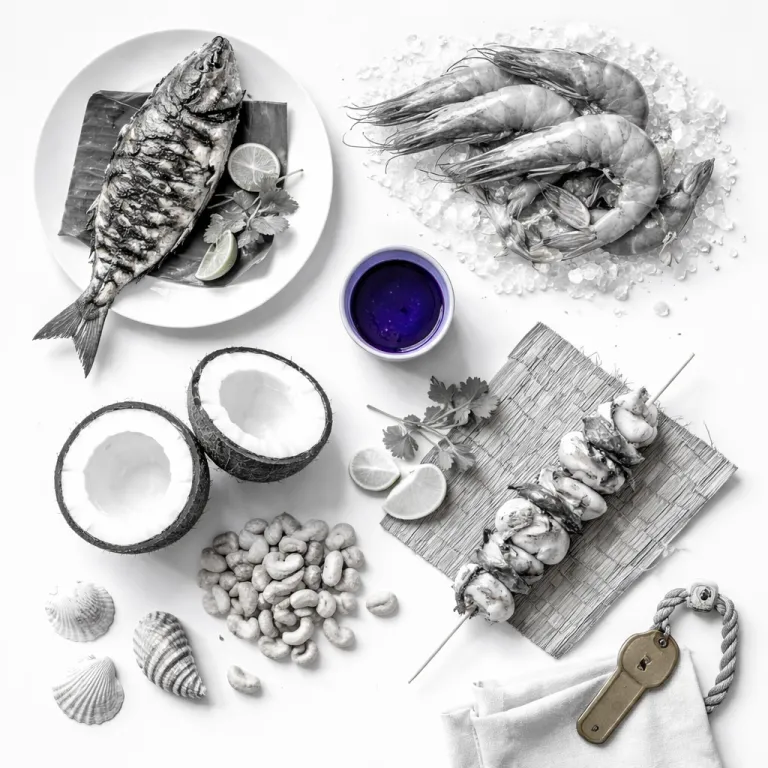
Why a southern Mozambique food trail belongs on your luxury itinerary
The stretch from Vilanculos to Inhambane is where a refined Mozambique food trail finally feels worthy of your flight to southern Africa. Here, luxury hotels and lodges are learning that the real upgrade is not a bigger pool but a plate of grilled fish caught at dawn and brushed with fiery piri oil while you watch the straight ocean turn pink. For solo travelers who plan their travel around food, this coast offers a rare mix of polished service, raw coastline and quietly great kitchens that understand both Mozambican heritage and modern expectations.
Think of this route as two complementary culinary Mozambiques rather than one homogenous place. Vilanculos leans into barefoot elegance, where high-end properties arrange dhow tours that double as a moving food tour, while Inhambane and its beaches feel slower, more local and more steeped in the flavours Mozambican families cook at home. The roughly 290 km between them is not just a transfer; it is a corridor of cashew sellers, sugar cane stalls and roadside grills that can turn a simple drive into one of your most memorable experiences of the trip.
For guests booking through a luxury and premium hotel platform, the key is choosing properties that treat Mozambique food as a pillar of the stay rather than a side note. You want chefs who talk about coconut milk and garlic the way sommeliers talk about vintages, and concierges who know which coastal village is serving the freshest prawns that evening. When a hotel understands that seafood Mozambique is its strongest calling card, every meal becomes a curated chapter in your personal Mozambique food trail.
From Maputo to Vilanculos: two culinary Mozambiques, one refined palate
Many travelers land in Maputo Mozambique, taste a plate of grilled prawns with piri sauce, and assume they have understood Mozambican cuisine. The capital certainly delivers urbane dining, with Portuguese-inspired menus, polished service and a city view that pairs well with a glass of South African wine. Yet the southern Mozambique food trail only truly opens up when you leave Maputo and follow the coast north to Vilanculos, where the straight ocean and the Bazaruto Archipelago reshape how you think about seafood.
Maputo’s restaurants excel at layering African and Portuguese influences in controlled, city-smart ways, while Vilanculos lets those same flavours breathe in the salt air. In the capital you might book curated cultural immersion experiences through a specialist platform, using guides like a detailed overview of luxury and premium hotel booking in Mozambique for cultural immersion. On the coast, the best hotels shift the focus to dhow-supplied seafood, coconut milk–rich stews and food tours that start at the market and end at a candlelit table on the sand.
For a solo explorer, the contrast between Maputo Mozambique and Vilanculos is part of the appeal, because it turns one trip into several distinct experiences. You might spend two nights in the capital for its galleries and nightlife, then fly to Vilanculos where the same Mozambique food ingredients feel wilder, more local and more directly connected to the Indian Ocean. Both places reward curiosity, but the Vilanculos to Inhambane corridor is where a Mozambique food trail becomes a continuous narrative rather than a series of isolated restaurant bookings.
Catch to table: dhow mornings and seafood feasts in Vilanculos
In Vilanculos, the most memorable dining often begins long before you sit down, because the best seafood Mozambique menus start on a dhow at first light. Many luxury lodges arrange early morning tours with skippers who know every reef, dropping lines for fish while you sip coffee and watch the sun lift over the straight ocean. By lunch, that same catch returns to your plate as grilled fish brushed with garlic and fiery piri oil, or as a curry simmered slowly with coconut milk and local vegetables.
Restaurants like Zita’s Food in Vilanculos show how Mozambican home cooking translates into a relaxed yet refined setting, where matapa, cassava and seasonal fish share the table with Portuguese-influenced desserts. Nearby, Vilanculos Beach Lodge Restaurant leans into a more international style while still celebrating flavours Mozambique is rightly proud of, from simply grilled prawns to seafood rice rich with stock and herbs. Both places understand that a Mozambique food trail is not about excess but about clarity of flavour, letting the fish and the ocean speak first.
For travelers booking through a premium platform, look for properties that describe their relationship with local fishers as a partnership rather than a procurement line. When a hotel team can explain which nearby village supplied tonight’s prawns, or which family has been bringing in line-caught fish for generations, you know your food tour is rooted in real community ties. These details matter, because they turn a generic seafood platter into one of those defining experiences that anchor your memory of southern Africa long after you fly home.
Vilanculos to Inhambane by road: roadside grills, cashew stalls and coastal lodges
The drive from Vilanculos to Inhambane covers roughly 290 km and takes around four hours, but anyone serious about a Mozambique food trail will stretch it into a full day. This is where the journey itself becomes a moving food tour, with roadside stalls selling roasted cashews, peeled sugar cane and still-warm pão that pairs beautifully with strong local coffee. Check road conditions before you set off, then give yourself time to stop in small towns where Mozambican families grill fish over charcoal and serve it with piri sauce and lime on plastic tables under the trees.
Self-drive travelers should keep a simple toolkit of maps, offline navigation and a few basic Portuguese phrases, because a smile and a “bom dia” often unlock the best local recommendations. Guided tours along this corridor can also be worthwhile, especially if you want someone else to handle logistics while you focus on flavours Mozambique offers at every bend in the road. Either way, the route between these two coastal hubs is where you feel how deeply food, travel and daily life intertwine in this part of southern Africa.
By the time you reach Inhambane and nearby beaches like Tofo, the rhythm slows again and the emphasis shifts back to lodge kitchens and beachside grills. Here, seafood Mozambique menus lean heavily on prawns, calamari and line-caught fish, often marinated in garlic and fiery piri before hitting the coals. Many properties now weave hands-on experiences into their stays, from market visits to informal cooking sessions, turning what could be a simple transfer into a richly layered chapter of your Mozambique food trail.
Inside the kitchens: how luxury lodges train chefs and shape flavours
Along this coast, the most forward-thinking hotels treat their kitchens as cultural studios, training local chefs to refine Mozambican recipes rather than replace them. Properties such as Bahia Mar and Santorini Mozambique in Vilanculos work closely with nearby producers, sourcing fish straight from the beach, greens from small farms and sugar cane from inland growers. The result is a style of seafood Mozambique cooking that feels both rooted and polished, where coconut milk, garlic and piri are handled with the same care as imported wines.
Guests increasingly ask how their meals are sourced, and serious properties respond with transparent stories rather than vague sustainability claims. You might hear how a particular fish came from a reef the skipper has fished since childhood, or how a dessert uses cashews from Inhambane Province, the country’s cashew heartland. This level of detail builds trust, especially for solo travelers who choose hotels partly for their commitment to local economies and who read every privacy policy and sustainability note before confirming a booking.
Well-run kitchens also understand that not every guest wants only grilled prawns and rich stews every night, so they balance flavours Mozambique is known for with lighter plates and vegetarian options. As one local operator puts it without hesitation, “Are there vegetarian options available? Yes, many restaurants offer vegetarian dishes.” That attitude, combined with a willingness to adapt spice levels on request, makes the Mozambique food trail accessible to a wider range of palates without diluting its Mozambican identity.
Designing your own mozambique food trail: practical tips for solo luxury travelers
Planning a Vilanculos to Inhambane itinerary through a premium booking site allows you to curate a Mozambique food trail that matches your pace and appetite. Start by choosing two or three anchor properties that take food seriously, then layer in experiences such as market visits, dhow tours and informal cooking classes. Many travelers now combine gastronomy with wellness, using guides like an in-depth look at spa and wellness experiences on luxury hotel booking websites in Mozambique to balance indulgent meals with time in the spa or on the yoga deck.
When you evaluate hotels online, read beyond the room descriptions and scan for how they talk about Mozambique food, local sourcing and cultural immersion. Look for mentions of food tours, market excursions, or collaborations with named restaurants such as Zita’s Food or Vilanculos Beach Lodge Restaurant, because these signal a genuine commitment to the flavours Mozambique offers. If a property highlights dhow fishing, catch-to-table menus and partnerships with local guides, you can be fairly sure your stay will include the kind of grounded experiences that define meaningful travel.
Finally, remember that the best meals often happen slightly off script, whether at a small place with a modest view of the bay or at a beach shack where the prawns taste like they came straight from the ocean minutes ago. Ask staff where they eat on their days off, and be open to detours that lead you away from the main road or the most photographed place in town. A thoughtful privacy policy and polished website might secure your booking, but it is the garlic on your grilled fish, the sweetness of fresh sugar cane and the warmth of Mozambican hospitality that will keep you planning your next southern Africa return.
Key figures for a southern Mozambique food trail
- The distance between Vilanculos and Inhambane is roughly 290 km by road, creating a manageable coastal drive that can be turned into a full day of culinary stops.
- Typical driving time for the Vilanculos to Inhambane route is around four hours in normal conditions, which allows travelers to add market visits and roadside meals without needing an overnight stop en route.
- The corridor between Vilanculos and Inhambane operates year-round for food-focused travel, with the dry season from May to October offering the most pleasant weather for road trips and outdoor dining.
- Recent tourism trends show growing interest in culinary travel in Mozambique, with rising demand for sustainable experiences and increased attention to Mozambican cuisine in international media coverage.
- Travel advisories indicate that it is generally safe to move between Vilanculos and Inhambane when exercising standard precautions, which reassures solo travelers planning self-drive food tours.
Frequently asked questions about the Vilanculos to Inhambane food trail
What is the best time to visit for a food focused trip ?
The dry season from May to October offers comfortable temperatures, calmer seas and more predictable road conditions for the Vilanculos to Inhambane drive. This period is ideal for combining dhow-based seafood experiences with market visits and roadside meals. Restaurants and lodges operate year-round, but the dry months make outdoor dining and coastal tours more enjoyable.
Is it safe to travel between Vilanculos and Inhambane by road ?
The route is generally considered safe when you follow standard travel precautions such as avoiding night driving, keeping valuables out of sight and checking local advice before departure. Many solo travelers choose self-drive, while others prefer guided transfers arranged through their hotels or trusted tour operators.
Are vegetarian and lighter options easy to find along this route ?
In practice, many restaurants and lodges along the coast now offer salads, grilled vegetables, coconut milk–based stews without fish and pasta or rice dishes. When booking, mention your preferences so kitchens can plan, and once on site, speak directly with chefs who are usually happy to adapt Mozambican recipes.
Do I need to speak Portuguese to enjoy local food experiences ?
Speaking Portuguese is not essential, but learning a few basic phrases makes a noticeable difference when exploring local food spots. Simple greetings and words for fish, prawns, spicy or mild help you order confidently and connect with Mozambican hosts. Many staff in luxury properties speak English, and guided tours can bridge any language gaps during market visits.
Should I book food experiences in advance or decide on arrival ?
For high season stays, it is wise to book key food tours, dhow trips and signature restaurant dinners in advance through your hotel or booking platform. Roadside stops, casual beach grills and small local places can be left to spontaneity, which often leads to memorable finds. A mix of pre-arranged highlights and flexible time usually creates the richest Mozambique food trail along this southern coast.