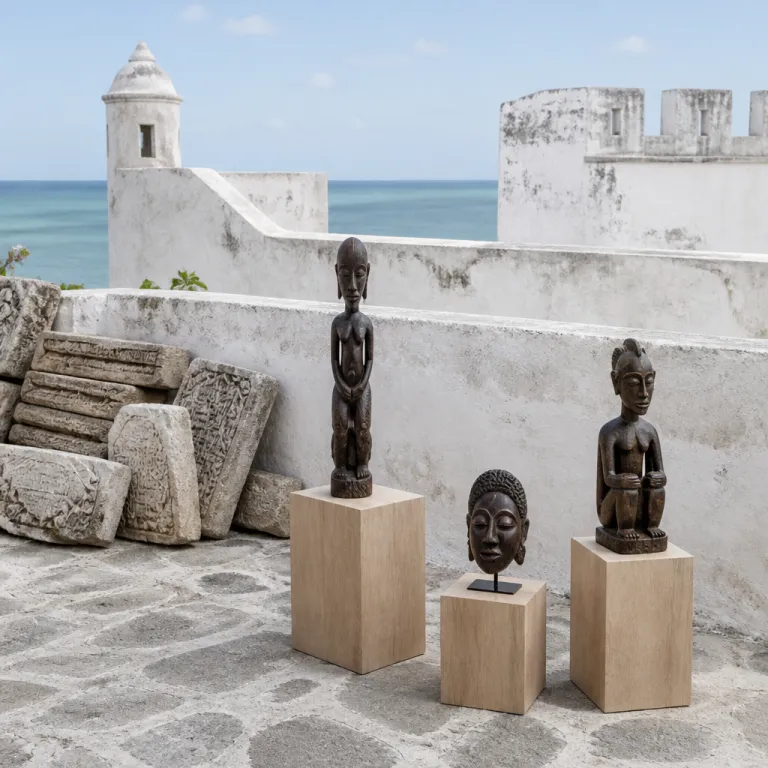
Designing your Mozambique culture heritage trail as a solo luxury traveler
Mozambique rewards the solo explorer who is willing to look beyond the pool deck and follow a quieter cultural heritage trail. This coast facing the Indian Ocean has layered history where Swahili stone towns, Portuguese forts, and Makonde carvings sit within reach of high end lodges, so you can move between culture safari days and barefoot luxury nights with ease. For a single person planning premium stays, the key is to structure your route around Maputo, Ilha de Moçambique, and one island or wildlife lodge, then decide where a single supplement is worth paying for extra privacy.
Most luxury itineraries are based on a simple rhythm: two or three nights in Maputo for art and food, two or three nights on Ilha de Moçambique for deep history, then a final lodge stay on the coast or near wildlife for a softer landing. This pattern works well for one person sharing experiences with small guided groups by day, while returning to a quiet suite at night where service feels tailored and the pace stays low. With this kind of itinerary through Mozambique, you can thread together African heritage, Indian Ocean trade routes, and contemporary design hotels without sacrificing comfort or safety.
For solo travelers, the most frequent asked questions revolve around cost, safety, and how to balance culture with relaxation. Luxury properties in Mozambique often charge a single supplement of roughly 20–40 percent of the per person rate, yet many will negotiate outside peak December holidays, especially when occupancy is low and the lodge wants longer stays. If you are a single person sharing a twin room with a friend met on a small group tour, some high end operators will waive the supplement entirely, which can free budget for private cultural tours or an extra night on an island.
Maputo’s art, Makonde sculpture, and the urban edge of African heritage
Maputo is where Mozambique’s cultural heritage feels most urban, and it deserves at least two nights on any heritage-focused itinerary. The city’s galleries and street murals turn African heritage into something immediate: Núcleo de Arte, an artist collective widely reported as founded in 1936, still hosts Makonde people who carve ebony and mahogany into fluid, almost surreal forms. If you want authentic Makonde sculpture rather than airport souvenirs, focus on serious Maputo galleries and curated hotel collections that work directly with artisans and local communities.
Tourism and culture reports from Mozambique’s authorities indicate that cultural and heritage attractions receive on the order of 500,000 visitors annually, and Maputo’s museums and galleries capture a meaningful share of that interest. Archaeological studies, museum exhibitions, and cultural festivals in the capital help explain how Swahili stone architecture, Portuguese colonizers, and the African diaspora shaped this coastline, turning abstract trade routes into tangible stories. When you base yourself in a central luxury hotel, you can walk or take short rides to Núcleo de Arte, the Feira de Artesanato craft market, and live Marrabenta music venues in a single afternoon.
Maputo also works as a soft landing before you head north or to the Bazaruto Archipelago for wildlife rich waters and reef focused escapes. If you are planning a dive heavy extension in Tofo or the islands, study a specialist guide such as a marine biologist’s field guide to Tofo, which shows how conservation and high end tourism can align. From Maputo, many travelers continue to South Africa by road or air, yet those following a true heritage trail should consider flying north instead, where Swahili and Arab influences become more visible in both architecture and daily culture.
Ilha de Moçambique and the Swahili stones that anchor the heritage trail
Ilha de Moçambique is the emotional heart of any Mozambique cultural heritage journey, and it merits slow travel rather than a rushed stop. This small island, a UNESCO World Heritage Site since 1991 according to the UNESCO World Heritage Centre, once sat at the center of Indian Ocean trade routes linking East Africa, Arabia, India, and beyond, and its layered streets still show that mix. Swahili stone houses, coral built townhouses, and Portuguese forts stand side by side, while the chapel of Nossa Senhora de Baluarte, completed in the early 1520s, is widely cited by historians as one of the oldest surviving European buildings in the Southern Hemisphere.
Walking here, you move through a living cultural heritage site where local communities still fish from traditional dhows and children play under weathered arcades. Archaeological work and preservation techniques led by the island’s conservation office have helped stabilize key structures, yet the island remains a place where people live, pray, and trade rather than a frozen museum. When you book a premium lodge or restored town house on the island, ask how they support community conservation, because the best places invest in training staff from the island and in maintaining historic buildings.
Ilha de Moçambique is also where Tufo dance, a women led performance with Arab influences, and other cultural tours bring the African diaspora story into focus. Many luxury travelers choose two or three nights here, often with a private guide who can explain how Swahili traders, Portuguese colonizers, and African communities interacted over centuries. As one local guide likes to say, “Every doorway here is a chapter of the Indian Ocean story.” For curated ideas on how to weave this stop into a wider itinerary that still leaves time for beaches and wildlife, look at an insider list of unforgettable things to do in Mozambique, then adapt it to your own pace and interests.
From forts to wildlife lodges: where culture safari meets coastal luxury
Once you have walked Maputo’s galleries and Ilha de Moçambique’s forts, the next step on your heritage route is to pair history with a culture safari in nature rich regions. In northern Mozambique and along the coast, several lodges now frame wildlife and marine experiences through a cultural lens, inviting guests to join traditional fishing outings, village visits, and music workshops. These are not safari camps in the classic South Africa sense, yet they offer high quality wildlife encounters with whales, dolphins, and reef life, alongside human stories.
The Bazaruto Archipelago is a prime example, where barefoot luxury lodges sit above turquoise shallows and dunes that feel almost unreal. Here, conservation projects focus on protecting dugongs, turtles, and coral, while community conservation initiatives ensure that local communities benefit from tourism through jobs, training, and revenue sharing. When you choose a lodge, ask how your nightly rate supports both wildlife and people, and whether cultural tours are led by residents who can speak about their own heritage rather than by outside staff.
Food is another bridge between culture and comfort, and Mozambique’s coastal cuisine can be a highlight of any night in a high end lodge. To understand how top properties plate this story, read a detailed feature on peri peri prawns at the source, which shows how chefs work with fishermen and regional flavors. A thoughtful property will treat each person sharing a table as a guest in a broader narrative of African heritage, Indian Ocean trade, and contemporary creativity, rather than just serving another grilled seafood platter.
Practical booking intelligence for luxury stays on Mozambique’s heritage trail
Planning a Mozambique culture heritage trail through a luxury lens means paying attention to logistics, room categories, and how each property relates to its surroundings. Many high end hotels in Maputo and on Ilha de Moçambique offer special rates for a single person, while others apply a single supplement that can be significant in peak December periods. When occupancy is low, it is often possible to negotiate softer terms, especially if you are staying more than one night or booking a person sharing a twin room with a friend.
Look for hotels and lodges that clearly explain their role in conservation and community conservation on their websites and in pre arrival communication. Properties that partner with local communities on cultural tours, music performances, and artisan workshops tend to deliver more meaningful experiences and better context for what you see. They also help ensure that the economic benefits of tourism reach people living near heritage sites, which in turn supports long term preservation of both buildings and traditions.
When comparing options, map your route carefully between Maputo, Ilha de Moçambique, and the Bazaruto Archipelago or other coastal regions. Distances in Mozambique are large, and internal flights can be limited, so it is wise to base your itinerary on reliable connections rather than trying to chase every highlight. For example, the flight from Maputo to Nampula, the main gateway for Ilha de Moçambique, is commonly scheduled at around two and a half hours, while hops to Vilankulo for Bazaruto are usually about one hour. If you are combining Mozambique with South Africa, decide whether you want wildlife first and culture later, or the reverse, then choose lodges and hotels that align with that rhythm and your preferred balance of high comfort and low stress.
Frequently asked questions about Mozambique’s cultural heritage trail
What are Swahili stones and where will I see them in Mozambique ?
Swahili stones are ancient stone structures built by Swahili traders, and in Mozambique you will encounter them most vividly on Ilha de Moçambique. The island’s coral stone houses, mosques, and public buildings reflect centuries of Swahili, Arab, and Portuguese influence layered together. Walking with a knowledgeable guide turns these walls into a readable record of Indian Ocean trade routes and African heritage.
Where are Portuguese forts located in Mozambique and which are worth a visit ?
Portuguese forts line much of the Mozambican coastline, with notable examples in Maputo and on Ilha de Moçambique. Historical records indicate that around ten forts were built in Mozambique, though not all are in the same condition today. For most travelers, the fort on Ilha de Moçambique and the coastal defenses around Maputo offer the best combination of access, preservation, and interpretive context.
How can I experience Makonde carvings respectfully as a luxury traveler ?
The Makonde people are renowned for intricate wood carvings made primarily from ebony and mahogany wood, and serious collectors focus on established galleries rather than souvenir stalls. In Maputo, visit long standing institutions and curated hotel collections that work directly with Makonde artisans and pay fair prices. When you buy or commission a piece, ask about the artist, the wood source, and how the sale supports local communities and conservation.
How many people visit Mozambique’s cultural sites and does that affect my experience ?
Tourism board data suggests that cultural sites in Mozambique receive around 500,000 visitors annually, a modest figure compared with some destinations in Africa. This relatively low volume means that even UNESCO heritage locations such as Ilha de Moçambique rarely feel crowded, especially outside local holidays. For luxury travelers, that translates into quieter guided tours, more time with expert guides, and easier access to premium rooms near key heritage sites.
What are the best places to stay for a culture focused yet comfortable itinerary ?
For a culture first route, base yourself in a refined hotel in Maputo’s central districts, a characterful lodge or restored town house on Ilha de Moçambique, and a conservation minded island lodge in the Bazaruto Archipelago or similar coastal area. This combination lets you experience urban art, Swahili stones, Portuguese forts, Makonde carvings, and wildlife rich waters without constant repacking. With this structure for visiting Mozambique, you can enjoy both high comfort and deep engagement with the country’s cultural heritage trail.