Why mozambique culinary experiences belong at the heart of your trip
Mozambique culinary experiences are no longer a side note to a beach escape. For couples planning a trip along the south coast of Mozambique or pairing it with a luxury safari in neighbouring Botswana or South Africa, food now shapes the entire itinerary. When you choose a hotel with a serious kitchen, you gain a front row seat to how cuisine in Mozambique is evolving from simple grilled chicken on the sand to tasting menus that frame the Indian Ocean as the star ingredient.
This stretch of Africa has always lived between sea and spice, and modern food journeys in Mozambique reflect that duality with confidence. You taste strong Portuguese influence in the way rice is perfumed with coconut and garlic, yet you also feel the pulse of Mozambican traditions in slow cooked stews and smoky piri chicken. The best properties understand that Mozambique offers more than views of the Indian Ocean; they curate participatory dining where you handle the fresh seafood yourself before a chef turns it into refined Mozambican dishes.
For travellers arriving from the United States, the contrast is striking yet accessible. You might land in Maputo expecting simple Mozambique food and leave talking about nuanced Mozambican cuisine that rivals coastal Europe for technique while staying rooted in Africa. These immersive culinary experiences are especially powerful for couples, because sharing a plate of chicken Mozambique or a platter of fresh seafood on a quiet beach creates memories that outlast any standard resort buffet.
Lodge kitchens as classrooms: from piri chicken to coconut rice
Across Mozambique, lodge chefs are turning their kitchens into intimate classrooms where mozambique culinary experiences become hands on. At Anantara Bazaruto Island Resort, private sessions focus on Mozambican cuisine, guiding you through piri chicken marinades, coconut rice techniques, and the precise grilling that transforms simple chicken into something worthy of a celebratory dinner. The emphasis is on real Mozambican dishes, not hotel friendly approximations, so you leave understanding why Mozambique food carries such a strong Portuguese and Indian Ocean identity.
Feedback from leading resorts shows how deep this trend runs, with many island properties now offering regular cooking classes and keeping group sizes small enough for personal attention at lodges such as asDunas. One verified programme notes that “Traditional Mozambican dishes like Piri-Piri Chicken and Prawn Matapa” are typically taught, and that these classes last approximately 2 to 3 hours and suit beginners. For couples on a longer trip that might also include a luxury safari, these compact sessions fit neatly between a morning dhow cruise and an afternoon massage.
If you want to understand what separates a tourist friendly peri peri from the real thing, read the in depth guide on what makes a lodge’s peri peri authentic before you book. Then, when you stand beside the grill watching piri chicken and grilled chicken sear over charcoal, you can ask sharper questions about marinades, chilli varieties, and how Portuguese influence still shapes cuisine in Mozambique. These mozambique culinary experiences turn a simple hotel cooking class into a serious, flavour driven encounter with Mozambican cuisine.
Market tours in Maputo and beyond: from fresh seafood to chicken mozambique
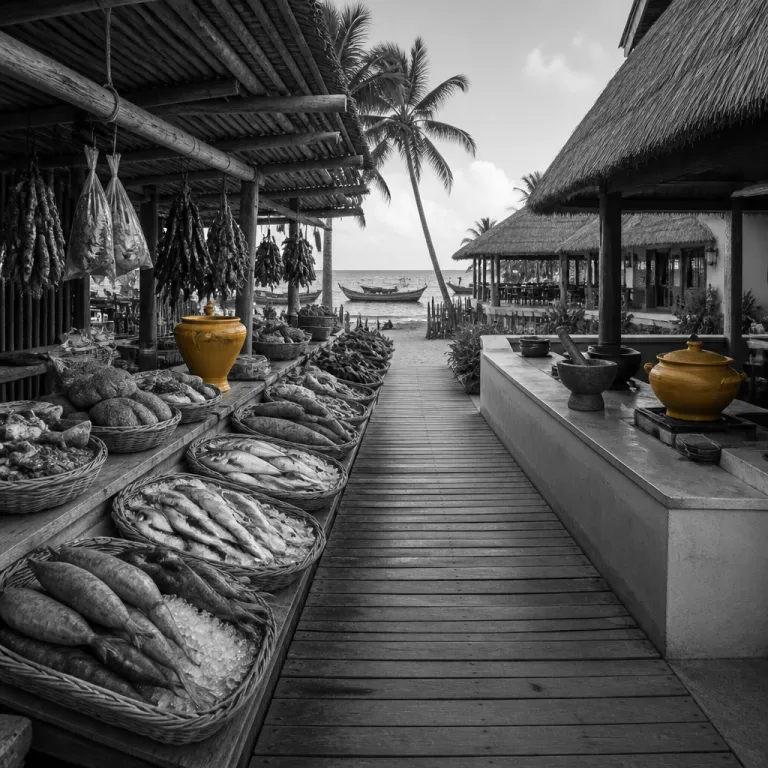
Maputo is where mozambique culinary experiences step out of the hotel and into the street, especially around the famed Mercado do Peixe. Many premium properties now arrange guided market visits with their chefs, so you walk the aisles of fresh seafood together, choosing prawns, line caught fish, and squid that will become your dinner. This is where you see how Mozambique offers diverse ingredients, from Indian Ocean lobster to humble chicken destined for a home style chicken Mozambique stew.
These tours are not passive sightseeing; they are structured as working expeditions that anchor the rest of your trip. You might start the morning selecting rice, coconut, and seasonal vegetables, then move to a lodge kitchen for an afternoon class that turns those ingredients into Mozambique favourites. Programmes such as Genito's Magic Tour and community based partners like Sunset Dream B&B specialise in connecting travellers with local mamas who cook Mozambique food daily, giving you a great, unvarnished view of how Mozambican dishes are prepared away from hotel dining rooms.
For a broader sense of where to stay if food is your priority, consult the dedicated gastronomy focused hotel guide for Mozambique before finalising bookings. It highlights which hotel kitchens excel with fresh seafood, which lean into strong Portuguese traditions, and which push modern cuisine Mozambique interpretations. Couples who combine Maputo market immersion with a few nights at a coastal lodge often say these mozambique culinary experiences feel as rewarding as any game drive or beach day.
Island tables and beach fires: where mozambique food meets the indian ocean
On the islands and quieter south coast beaches, mozambique culinary experiences unfold at the water’s edge rather than in formal dining rooms. Properties like Azura and andBeyond Benguerra arrange private beach dinners where your table sits a few metres from the Indian Ocean, lit by lanterns and a small fire. Here, chefs showcase fresh seafood and rice cooked in coconut, often alongside piri chicken or grilled chicken, so you taste the full spectrum of Mozambican cuisine in one lingering meal.
These dinners are not only about romance; they are about proximity to the ingredients that define cuisine in Mozambique. You might watch a fisherman bring in the day’s catch while your hotel sommelier pours a South Africa Chenin Blanc or a Portuguese Vinho Verde, underscoring the strong Portuguese and regional African connections on your plate. When a platter of Mozambican prawns arrives, brushed with piri and charred just enough, you understand why many consider this one of the best seafood experiences in Africa.
Some lodges extend this idea into full day culinary safaris, combining a short boat trip, a beach picnic, and a late afternoon cooking session. Couples who might once have prioritised a traditional luxury safari now often split their travel between bush and beach, letting food be the thread that links both. In these settings, mozambique culinary experiences feel immersive yet relaxed, with the sound of waves replacing the clatter of a city restaurant.
Cashews, cocktails, and the new mozambican cuisine confidence
Beyond plates of Mozambique food, a new layer of mozambique culinary experiences is emerging around cashews and cocktails. Mozambique is a major cashew exporter, and some lodges now offer seasonal visits to nearby plantations where you walk through groves, watch small scale processing, and taste still warm nuts. These outings, often best between February and April, show how Mozambique offers diverse agricultural stories that rarely appear on standard travel brochures.
Back at your hotel, bartenders are experimenting with tipo, a cashew based liquor, and small batch gins infused with local botanicals and R&B playlists in Maputo lounges. Sundowner menus increasingly feature drinks built around coconut, tropical fruits, and citrus, creating mozambique culinary experiences that extend from plate to glass. Couples arriving from the United States or South Africa often comment that these bars feel as creative as anything at home, yet the view of the Indian Ocean and the easy access to fresh seafood keep the setting unmistakably Mozambique.
This confidence also shows in how chefs talk about Mozambican cuisine, no longer framing it only through strong Portuguese influence but as a standalone coastal Africa identity. Tasting menus might move from a refined chicken Mozambique reinterpretation to a deconstructed piri chicken skewer, then finish with coconut rice pudding scented with local vanilla. For travellers who care about where flavours come from, these mozambique culinary experiences signal that cuisine Mozambique wide is stepping into its own narrative.
Designing a food led itinerary: from maputo markets to luxury safari lodges
Planning a trip around mozambique culinary experiences means thinking in arcs rather than isolated meals. One effective pattern for couples is to start in Maputo for two nights of market tours, street side Mozambique food tastings, and evenings in the city’s emerging cocktail bars. From there, you can fly north or south to a beach hotel or island lodge where Mozambican dishes and fresh seafood take centre stage in quieter surroundings.
If you are pairing Mozambique with a luxury safari in Botswana or South Africa, let food guide the sequence. Begin with the bush, where game drives dominate the rhythm, then move to Mozambique where slower days leave more time for cooking classes, cashew excursions, and long lunches of grilled chicken, rice, and coconut on the sand. This order lets mozambique culinary experiences act as a soft landing after the intensity of wildlife viewing, while still keeping you within the same broad Africa region.
For travellers who want deeper cultural context, it is worth reading about Ilha de Moçambique’s revival and its fusion kitchens in this detailed piece on cultural and culinary travel on the island. It shows how Mozambican chefs are blending Portuguese influence, Swahili trade routes, and local ingredients into new expressions of cuisine Mozambique wide. When you weave these insights into your hotel choices, mozambique culinary experiences become the framework for understanding the country rather than just a pleasant side activity.
Key figures shaping mozambique culinary experiences
- Some leading island resorts in Mozambique report offering a steady calendar of structured cooking classes each year, indicating sustained demand for hands on Mozambican cuisine education among international guests.
- Typical class sizes at premium lodges such as asDunas are kept small, which helps sessions stay intimate enough for couples to receive personalised guidance on piri chicken, rice, and fresh seafood preparation.
- Many cooking classes focused on Mozambique food last approximately 2 to 3 hours, making them easy to integrate between beach time, spa appointments, or game drives on a combined luxury safari itinerary.
- Market and cooking experiences in Mozambique now run year round, with morning market tours and afternoon classes forming a consistent daily pattern in Maputo and selected coastal towns.
FAQ about mozambique culinary experiences for luxury travellers
What kinds of dishes will I learn to cook in Mozambique?
Most high end programmes focus on Mozambican dishes such as piri chicken, prawn matapa, coconut rice, and simple preparations of fresh seafood. You can expect to work with ingredients that define Mozambican cuisine, including local chillies, garlic, coconut, and Indian Ocean fish. Some classes also introduce chicken Mozambique stews and recipes that show strong Portuguese influence in sauces and techniques.
Are mozambique culinary experiences suitable for beginners in the kitchen?
Yes, the leading hotel and lodge programmes in Mozambique are designed for all skill levels, including complete beginners. Chefs break down each step, from marinating grilled chicken to steaming rice correctly, and class sizes stay small enough for individual attention. Couples often find that cooking together in this guided setting becomes a relaxed shared activity rather than a technical challenge.
How should I choose a hotel if food is my main priority?
Look for a hotel or lodge that explicitly highlights cooking classes, market tours, and chef led tastings in its experience list. Properties in Maputo and along the south and island coasts that emphasise fresh seafood, Mozambican cuisine, and strong Portuguese heritage usually offer the richest mozambique culinary experiences. Reading gastronomy focused lodge reviews and checking sample menus before booking will help you align your trip with your tastes.
Can I combine food experiences with a luxury safari in the region ?
Many travellers pair a luxury safari in Botswana or South Africa with a coastal stay in Mozambique, using regional flights to connect the two. This combination lets you enjoy wildlife viewing first, then slow down with beach based mozambique culinary experiences centred on Mozambique food and Indian Ocean ingredients. Planning at least three nights in Mozambique after the safari gives enough time for both relaxation and immersive cooking or market activities.
Do I need to book cooking classes and market tours in advance ?
Advance booking is strongly recommended, especially at smaller lodges where mozambique culinary experiences are limited to a few guests per day. Once your hotel is confirmed, contact the property or its partner operators to reserve specific days and times for classes or Maputo market visits. This ensures you secure spots in the most popular sessions and can plan the rest of your trip around them.