Gorongosa national park luxury for ESG minded travelers
Gorongosa national park luxury is not about chandeliers and champagne towers. It is about staying in a restored wilderness where your room key quietly funds conservation projects and community schools, while you enjoy one of the most rewarding safari landscapes in Mozambique. For business leisure travelers who measure impact as carefully as they measure service, Gorongosa in central Mozambique offers a rare alignment of ethics, comfort, and serious wildlife.
The park was almost emptied during Mozambique’s civil war, yet today Gorongosa national landscapes hold more than 102,000 large mammals and over four hundred bird species, according to 2018–2022 aerial survey and biodiversity monitoring data published by the Gorongosa Restoration Project on gorongosa.org. That transformation is driven by the Gorongosa Restoration Project, a long term partnership between the Mozambican Government, international donors, and local communities that treats tourism as a circular economy engine rather than a side activity. When you visit Gorongosa and choose higher end accommodation Gorongosa options, you are effectively buying equity in a multi decade conservation and social impact strategy across Sofala province, with publicly available reporting on wildlife numbers, community programmes, and land restoration.
For executives used to ESG reports and audited impact statements, Gorongosa national park luxury feels refreshingly verifiable. Rangers patrol daily, scientists track data in real time, and community agriculture projects reduce pressure on the park Mozambique ecosystem while creating livelihoods around Gorongosa. As one senior ranger explains in project briefings, “every additional guest night means more patrol hours and more families supported.” This is not greenwashing; it is a living case study in how a national park can become a regional development hub, and Mozambique Gorongosa is now referenced in peer reviewed conservation literature as a model for biodiversity restoration in Africa.
Muzimu lodge and chicari camp: purpose driven luxury stays
The flagship high end address inside the park is Muzimu Lodge, a contemporary safari lodge set on a low rise with sweeping views over the floodplains. Muzimu lodge offers just a handful of suites, each with a private deck where guests can watch wildlife drift past in the soft early light, and the design leans toward understated comfort rather than ostentatious décor. For travelers who want Gorongosa national park luxury with privacy and quiet, this lodge is the natural first choice.
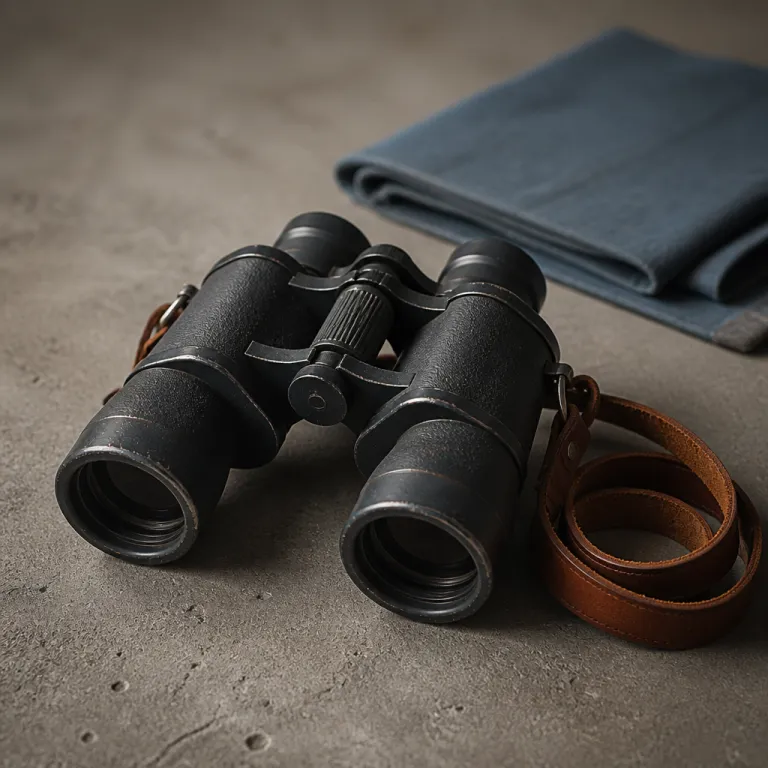
Each Muzimu suite is positioned for game viewing, so you can move from bed to binoculars in a few steps. Expect guided game drives at first light and late afternoon, when the park is most active and the air over Mozambique Gorongosa cools, plus walking safari activities that bring you closer to tracks, plants, and the smaller details that define this ecosystem. Between drives, guests linger on the private deck or by the pool, where the soundtrack is birdsong rather than bar music, and service is attentive without being intrusive; one recent guest described sunrise coffee on the deck as “the quietest board meeting I’ve ever had, with elephants as the only distraction.”
Chicari Camp sits in a different setting and offers a complementary style of accommodation Gorongosa, with safari tents and a more expedition camp atmosphere that still feels comfortable for executives. Here, the focus is on immersion; you sleep under canvas, listen to the night sounds of the park, and share stories around the fire after long days of gorongosa safari game drives. If you are curious about how ultra private safari brands are reshaping southern Africa, it is worth reading independent analysis of exclusive conservation led camps in Mozambique rather than relying solely on promotional material.
Science, conservation, and the business case for staying in Gorongosa
What sets Gorongosa apart from many Africa safari destinations is the way science is woven into the guest experience. Researchers work alongside rangers and guides, and visitors are often invited to observe monitoring activities, from camera trap checks to bird ringing sessions, which turns a standard Mozambique safari into a deeper learning journey. This science meets safari approach appeals strongly to executives who want their travel days to feel intellectually engaging as well as restorative.
The Gorongosa Restoration Project uses tourism revenue from lodges, camps, and park fees to fund schools, healthcare clinics, and climate resilience projects in surrounding communities. That means every night you spend at Muzimu Lodge, Chicari Camp, or Montebelo Gorongosa contributes directly to measurable conservation outcomes and social programmes, not just to a distant balance sheet. For ESG focused companies considering incentive trips or leadership retreats, Gorongosa national park luxury stays can be framed as part of a broader corporate responsibility narrative rather than a simple reward.
There is also a strategic angle for travelers who split time between Maputo, Nampula, and the bush. Gorongosa sits within reach of key business hubs in Mozambique, making it feasible to add three or four safari days onto a work trip without excessive travel time, and then continue onward to the coast for beach holidays. If you are planning a refined stay in northern Mozambique before or after your gorongosa safari, you will find useful context in a guide to discerning city stays in Nampula that covers business friendly hotels, dining, and flight connections.
Wildlife, activities, and how to structure your safari days
From a pure wildlife perspective, Gorongosa now rivals more famous Africa reserves, yet it remains far less crowded. Lions, elephants, hippos, and diverse bird species share the floodplains and woodlands, while endangered African wild dogs and growing herds of buffalo signal how far the park has come since its lowest point. The result is a gorongosa safari experience where game viewing feels unhurried, and your vehicle is often alone at sightings.
Most guests structure their days around early morning and late afternoon game drives, when predators move and the light over the park Mozambique landscape is at its most photogenic. Between drives, you might join a guided walk, take a boat safari on Lake Urema or along the Mussicadzi River, or spend time at a research centre learning how ranger patrols and scientific data underpin conservation decisions. For birders, Gorongosa is a quiet obsession, with bee eaters, raptors, crowned cranes, and forest endemics on Mount Gorongosa rewarding patient observation over several days.
Stays at Muzimu Lodge, Chicari Camp, and the more classic Montebelo Gorongosa property typically include a curated mix of activities, from night drives to village visits that show how community projects and tourism offers intersect. Expedition camp style experiences can also be arranged in wilder corners of the national park, using lighter safari tents and mobile setups for small groups who want deeper immersion. Whether you choose a fully serviced lodge or a more adventurous camp, the guiding calibre and conservation narrative remain consistent across accommodation Gorongosa options.
Designing a Gorongosa and Indian Ocean itinerary with impact
For many travelers, the most compelling way to experience Gorongosa national park luxury is to pair it with time on Mozambique’s Indian Ocean coast. A typical itinerary might start with business meetings in Maputo or Nampula, continue with three or four nights at Muzimu Lodge or Chicari Camp for a focused gorongosa safari, then end with beach holidays on the Bazaruto Archipelago or a quieter mainland stretch. This bush and beach combination balances intense game viewing and conservation immersion with salt air, dhow sails, and long swims over coral reefs.
When planning, consider flying into Mozambique Gorongosa via Beira or another regional hub, then connecting onward to Vilanculos or an island resort once your safari days are complete. Many high end properties on the coast now understand that their guests are arriving from national park stays, so they tailor spa treatments, menus, and activities to help you shift from early morning game drives to slower coastal rhythms. For a curated overview of Indian Ocean villas, island retreats, and mainland lodges that pair well with Gorongosa, explore a detailed resort selection that compares locations, transfer logistics, and seasonal conditions.
Within the park itself, you can choose between more permanent lodges and lighter expedition camp setups, depending on how close to the elements you want to be. Some travelers split their stay, starting with safari tents in a more remote camp for two nights, then finishing at Muzimu Lodge with a larger suite and expansive private deck overlooking the plains. A practical three night schedule might include an afternoon arrival and sunset drive on day one, a full day of dawn and dusk activities on day two, and a final morning safari and conservation visit on day three before flying out. However you structure it, the through line is clear; Gorongosa national park luxury is defined less by marble and more by meaning, where every night’s accommodation Gorongosa bill is also a line item in Africa’s most compelling conservation comeback story.
FAQ
What wildlife can I see in Gorongosa?
Lions, elephants, hippos, and diverse bird species are regularly seen on game drives and walks in the park. As the ecosystem has recovered, populations of buffalo, antelope, and predators such as leopards and African wild dogs have also increased, making Gorongosa one of the most rewarding wildlife destinations in Mozambique. Birdwatchers will find more than four hundred species, from bee eaters and raptors to crowned cranes and forest specialists on Mount Gorongosa, as documented in the park’s bird checklist and annual monitoring reports on gorongosa.org.
How has Gorongosa recovered from the war?
How has Gorongosa recovered from the war? Through conservation efforts and community engagement. The Gorongosa Restoration Project, working with the Mozambican Government and local communities, has reintroduced key species, expanded ranger patrols, and invested tourism revenue into schools, healthcare, and sustainable agriculture, which reduces pressure on the park and supports long term protection. Progress reports and ecological studies published by the project since the mid 2000s outline how wildlife numbers, forest cover, and community livelihoods have improved over the past two decades.
Are there luxury accommodations in Gorongosa?
Are there luxury accommodations in Gorongosa? Yes, Muzimu Lodge offers luxury stays. In addition to Muzimu Lodge, travelers can choose from comfortable safari tents at Chicari Camp and more classic rooms at Montebelo Gorongosa, allowing different levels of comfort while still contributing directly to conservation.
When is the best time to visit Gorongosa for safari?
The dry season from May to October is generally considered the best time to visit Gorongosa for safari, because wildlife concentrates around remaining water sources and vegetation is thinner for easier game viewing. Cooler temperatures during these months also make early morning and late afternoon game drives more comfortable for guests. Booking well in advance for this period is recommended, especially for smaller lodges with limited suites.
How many days should I spend in Gorongosa?
Most travelers find that three to four days in the park strikes a good balance between game drives, walking safaris, and time to engage with conservation projects. This allows at least six to eight guided activities, which increases your chances of varied sightings and deeper understanding of the restoration work. If you are combining Gorongosa with beach holidays on the coast, consider adding an extra night to slow the pace and enjoy your lodge’s private deck and facilities.