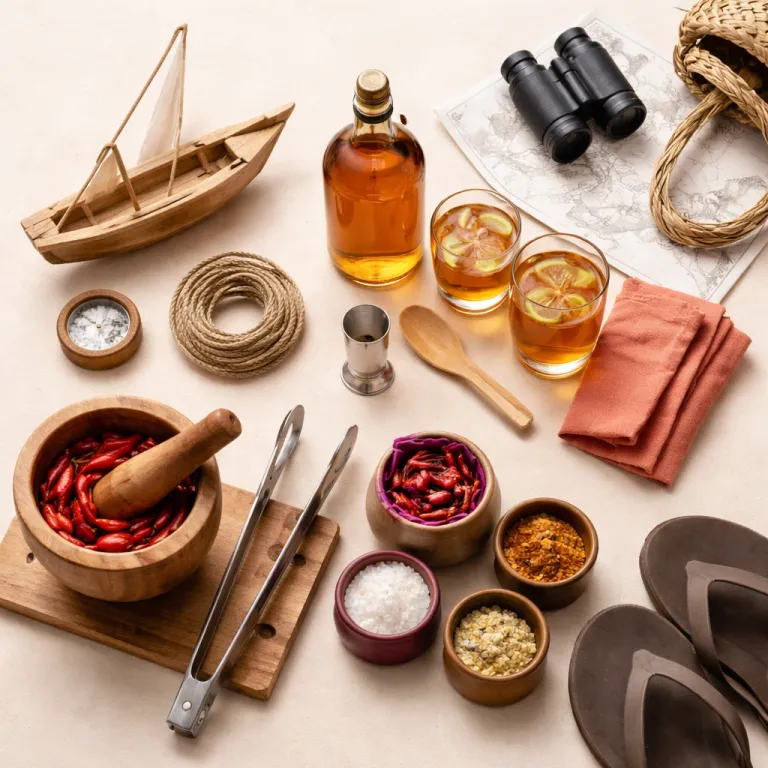
The way insiders travel Mozambique: trips, not dots on a map
Think of travel in Mozambique as a set of finely tuned weeks, not a frantic dash between every province on the map. When you plan travel Mozambique this way, you move with the tides and the domestic flight schedules, not against them, and you start to see why locals pair a Maputo long weekend with a quieter beach holiday rather than chasing every national park in one go. For luxury travellers, this shift from ticking off a destination list to curating two or three deeply felt trips across the country is where the real pleasure lies.
Most couples start their Mozambique travel in Maputo Province, then arc north to a safari beach combination or to the islands, choosing one province such as Inhambane or Nampula Province as their main base. This approach lowers travel health risk, keeps transfers efficient, and gives you time to understand how each destination actually works for high end stays, from the rhythm of the tides to the timing of the markets. It also means you can align your essential travel vaccinations, malaria prevention, and any yellow fever paperwork with a clear, realistic route rather than a chaotic zigzag across the country.
On specialist Mozambique trip-planning platforms we build journeys around how Mozambicans themselves move, not how a generic travel guide imagines the country. A Maputo and southern beach week feels very different from a Nampula Province and Ilha de Moçambique slow stay, and both contrast sharply with a wilder Cabo Delgado safari beach itinerary. Before you book, decide whether you want a dhow sundowner week, a kitchen led journey, a reef focused escape, or a slow cultural immersion, then let the right provinces and properties fall into place around that choice.
The dhow sundowner week: sails, city light, and Indian Ocean rhythm
A dhow sundowner week is the itinerary many insiders quietly recommend when couples ask how to travel Mozambique without rushing. You split your time between Maputo’s waterfront and a calmer stretch of coast, letting traditional dhow cruises set the pace rather than back to back transfers, and you end up with a beach holiday that feels both cinematic and grounded in real coastal life. It is also a smart way to manage travel health, because you are mostly in low risk coastal areas with relatively good access to clinics and private doctors if something goes wrong.
Start in Maputo city, where a well known venue often referred to as the Dhow Restaurant in Maputo Province blends gallery, design shop, and terrace bar above the bay. Book a late afternoon dhow cruise through a licensed operator for your first evening; as local guidance from Maputo based skippers explains, “A dhow sundowner is an evening cruise on a traditional dhow boat, usually with drinks and music.” These cruises are considered safe when run by licensed providers, and they give you a first feel for the Indian Ocean without the pressure of a full day excursion or long open water crossings.
From Maputo, fly north to Vilanculos or Inhambane for the classic safari beach pairing, using a trusted travel guide or specialist to align flight times with lodge transfers. Maputo to Vilanculos usually takes about 1 hour 15 minutes by air, while Maputo to Inhambane is often just under an hour, and most lodges arrange 20 to 60 minute road or boat transfers from the airport. Here, dhow sundowners shift from city skyline to sandbank silence, and you can anchor over reefs where skippers know every coral head by memory. For curated property ideas that match this rhythm, use an editor’s vetted shortlist such as a current list of the best hotels in Mozambique for couples, then cross check each option against up to date travel advisories, recent guest reviews, and your own travel advice from a medical professional.
The kitchen led week: peri peri, markets, and safe food rituals
If you travel Mozambique for flavour as much as for beach views, build a kitchen led week that moves from Maputo’s creative restaurants to coastal lodges where the daily catch shapes the menu. This kind of itinerary suits couples who enjoy long lunches, market visits, and hands on cooking sessions, and it is also the most intuitive way to keep food water hygiene front of mind without feeling anxious. You are not just eating; you are learning how locals handle safe food in a tropical country where travellers sometimes worry about disease.
Begin again in Maputo, where the Dhow Restaurant–style venues pair Indian Ocean views with relaxed, art filled dining rooms, then book a private cooking experience with a reputable local chef or cooking school that focuses on traditional Mozambican dishes built around peri peri, coconut, and fresh seafood. Here you can ask direct questions about how to avoid contaminated food water, what locals watch for in markets, and how they judge whether shellfish is safe, which is far more useful than generic travel health leaflets. When you move north to a coastal lodge, carry those habits with you, choosing properties that are transparent about their kitchens, water filtration, and staff training.
For couples planning a beach holiday with a strong culinary focus, the best strategy is to pick one province and stay put, rather than chasing every famous restaurant in the country. A week in Inhambane or Nampula Province gives you time to understand how tides, fishing seasons, and local markets shape menus, and you can layer in dhow sundowners or market tours without constant packing. For a sense of which premium coastal properties take food seriously, look at an elegant guide such as a recent editorial overview of beachfront premium hotels in Mozambique, then confirm current hygiene standards directly with each hotel before you book.
The reef week: marine reserves, national parks, and real conservation
A reef focused week is where travel Mozambique feels most remote and most fragile, especially for couples who dive or snorkel regularly. Instead of racing between every national park, you anchor in one marine rich area and let the tides, visibility, and conservation projects dictate your days, which is exactly how local guides prefer to work. This is also where you need to think carefully about travel health, medical evacuation options, and how far you are from advanced health care if something serious happens.
Many travellers pair Vilanculos and the Bazaruto Archipelago with a quieter, more conservation driven lodge further north, often in Nampula Province or in the southern reaches of Cabo Delgado. Properties such as Nuarro Lodge in Nampula, frequently cited in sustainable tourism case studies as an example of a private marine concession that supports both reef protection and nearby communities, show how a coastal retreat can double as both reef sanctuary and community hub. When you choose a lodge that funds reef monitoring, anti poaching patrols, or mangrove restoration, your beach holiday becomes part of a wider national park style effort, even if the area is not formally gazetted as a park.
Before you commit to a remote reef itinerary, review your travel health plan with a specialist who understands Mozambique travel specifically. Ask about vaccines such as hepatitis A, typhoid, and measles vaccination, and clarify whether your route passes through any country where yellow fever vaccination is required for onward travel. In most coastal areas the risk of yellow fever itself is negligible, but you still need to avoid mosquito bites to reduce the chance of malaria or other bite infected diseases, and you should carry insurance that covers medical evacuation in case you are badly injured while diving or become seriously sick far from a major hospital.
The slow week: Ilha de Moçambique, hidden gems, and fewer provinces
Not every trip needs a long list of destinations; some of the most rewarding ways to travel Mozambique involve staying almost still. A slow week on Ilha de Moçambique, for example, lets couples sink into the layered history of this small island while still enjoying Indian Ocean swims and dhow sails, and it works beautifully for travellers who prefer reading on a terrace to chasing every safari beach lodge. You trade variety for depth, and in return you get a far clearer sense of how one community lives, eats, and navigates the sea.
Ilha sits off the coast of Nampula Province, which means you can pair it with a short mainland beach stay or a light touch visit to a nearby national park without overcomplicating your route. The island’s stone town, coral rag houses, and faded merchant mansions reward slow walking rather than checklists, and evenings often end with a simple dhow ride or a plate of grilled fish dusted with yellow tinged peri peri. Because you are not bouncing between provinces, it is easier to monitor your own travel health, stay hydrated, and avoid the kind of exhaustion that makes travellers more vulnerable to getting sick.
From a practical standpoint, a slow week also simplifies everything related to vaccines, food water safety, and access to health care. You can choose one or two trusted restaurants where you know the kitchen routines, stick to safe food habits, and keep an eye on any minor bites or scrapes before they become infected. For couples who worry about disease risk or who have underlying conditions, this kind of essential travel itinerary offers the romance of a historic island with fewer moving parts and less reliance on last minute travel advice or emergency medical evacuation.
Health, vaccines, and how luxury travellers actually manage risk
Thoughtful travel Mozambique is not just about where you sleep; it is also about how you manage health risk without letting it dominate the trip. The country sits in a tropical zone where mosquito borne disease, contaminated food water, and limited rural health care are real concerns, yet most travellers complete their journeys without serious problems when they prepare properly. The key is to treat travel health as part of your planning, just like choosing a province or a hotel, rather than as an afterthought.
Six to eight weeks before departure, book an appointment at a dedicated travel health clinic or a specialist practice familiar with southern Africa, taking your draft itinerary and medical history. Ask clearly which vaccines are recommended for Mozambique travel, including hepatitis A, typhoid, and measles vaccines, and confirm whether you need proof of yellow fever vaccination based on the countries you transit, not just Mozambique itself. In many cases the yellow fever requirement is driven by regulations in your home country or by airline policy, so you want written travel advice that matches your exact route and can be shown at check in or immigration.
Once in country, follow a concise checklist: avoid mosquito bites by using repellent and sleeping under nets, drink bottled or filtered water, choose freshly cooked food, and treat any bites or cuts that look infected promptly rather than waiting until you feel sick. Check that your hotels are upfront about their access to health care, emergency protocols, and medical evacuation arrangements, and keep an eye on official travel advisories for any disease outbreaks or flooding that might contaminate local water supplies or disrupt access to clinics.
Internal flights, sequencing provinces, and what we do not recommend
Internal logistics shape how locals travel Mozambique, and they should shape your plans too. Domestic flights tend to hub through Maputo or Nampula, which means that trying to stitch together Maputo, Bazaruto, Ilha de Moçambique, and a remote Cabo Delgado safari beach in one short trip usually leads to long layovers and unnecessary fatigue. Couples planning a premium stay are better off choosing two regions and accepting that some destinations will wait for the next visit.
For a first time itinerary, pairing Maputo Province with either Inhambane or Vilanculos keeps transfers manageable and gives you a classic mix of city, beach, and dhow sundowners. A second trip might focus on Nampula Province and Ilha de Moçambique, or on a carefully researched section of Cabo Delgado Province if security conditions and travel advisories allow. When considering Cabo Delgado or any remote national park, pay close attention to current travel advice from your government, ask hotels for frank updates, and be realistic about how quickly you could reach advanced health care or arrange medical evacuation if you became seriously sick or injured.
What we do not recommend is racing across the entire country in one go, ignoring fatigue, or dismissing health guidance about vaccines, mosquito bites, and safe food practices. We also advise against swimming in unknown rivers or lagoons where body fluids and animal waste may contaminate the water, as this can increase the risk of disease beyond the usual beach holiday concerns. The couples who enjoy Mozambique most are those who respect the distances, listen to local expertise, and treat each trip as one chapter in a longer relationship with this coastline, not a once in a lifetime checklist.
Key figures for planning a refined Mozambique journey
- Mozambique welcomes well over a million international visitors each year, according to recent summaries from the national tourism authorities and the UN World Tourism Organization, which keeps many coastal areas lively while still leaving room for quieter hidden gems outside peak holiday periods.
- The average daytime temperature in May often sits in the mid 20s °C along much of the coast, based on long term climate data from the Mozambique Meteorological Institute and regional weather services, making it one of the most comfortable months for a combined city and beach itinerary with lower heat related travel health stress.
- Dhow cruises have grown steadily in availability along the coast, reflecting a rise in cultural tourism that values traditional sailing experiences as much as classic safari beach combinations and reef focused itineraries.
- Peri peri based cuisine has seen a marked increase in global popularity, documented in international food media and restaurant trend reports, which in turn supports local chefs and restaurants in Maputo and coastal towns that focus on high quality, safe food for international travellers.
- Evening dhow sundowner experiences typically begin around 17:00, aligning with cooler temperatures and calmer winds, which is ideal for couples balancing romance with a low physical risk activity at the end of the day.
Frequently asked questions about luxury travel in Mozambique
What is a dhow sundowner and is it worth planning a week around it?
A dhow sundowner is an evening cruise on a traditional wooden sailing boat, usually timed for sunset and often including drinks or light snacks. Many couples build an entire week around these sails, combining Maputo Bay outings with island or sandbank cruises further north. It is a gentle, low impact way to experience the Indian Ocean and fits naturally into both city breaks and longer beach holidays.
Are dhow cruises safe for travellers who are new to sailing?
Dhow cruises are generally safe when operated by licensed, experienced providers who understand local currents and weather patterns. Local captains in Maputo and Vilanculos emphasise that the key questions to ask are about safety gear, crew training, and weather conditions on the day. Choose companies recommended by reputable hotels, check that life jackets are available, and avoid sailing in poor weather or after heavy drinking.
Do I need yellow fever vaccination or other vaccines for Mozambique travel?
Most travellers do not need yellow fever vaccination if they fly directly from non endemic countries, but proof may be required if you transit through or arrive from a yellow fever risk country. A travel health clinic can advise on this and on other vaccines such as hepatitis A, typhoid, and measles, which are commonly recommended for Mozambique travel. Always carry your vaccination record, as airlines and border officials may request it.
How can I reduce the risk of getting sick from food or water?
Stick to safe food practices such as eating freshly cooked dishes, avoiding raw shellfish, and drinking bottled or properly filtered water. High end hotels and restaurants in Mozambique usually maintain strong hygiene standards, but it is still wise to avoid ice of unknown origin and to be cautious with street food. Hand washing or using sanitizer before meals also reduces the chance that minor bites or cuts become infected.
Is medical evacuation coverage really necessary for a luxury trip?
Medical evacuation insurance is strongly recommended for any trip that includes remote islands, reef lodges, or sparsely populated provinces such as parts of Cabo Delgado. While Maputo and a few larger cities have reasonable health care facilities, serious illness or injury in isolated areas may require an air transfer to another country. Having coverage in place ensures that a rare but high impact risk does not turn into a financial or logistical crisis.