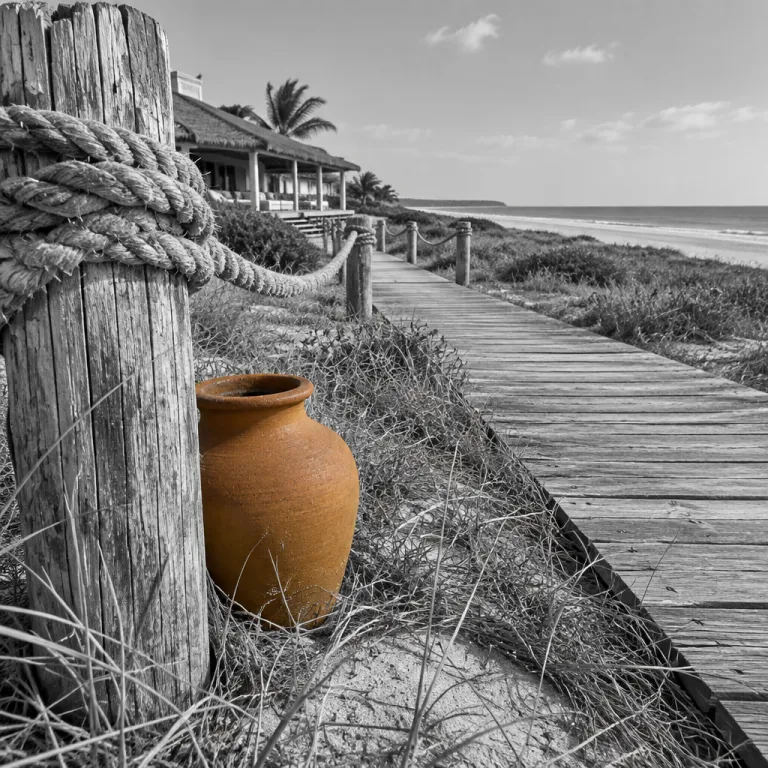
Reading the climate: why June to September is the best time to visit Mozambique
Between June and September, Mozambique settles into its most reliable weather rhythm. The cooler, drier months bring clear skies, an average daytime temperature of roughly 22–25 °C on the coast, and travel conditions that finally match the country’s world class beaches and islands. For luxury travellers planning a beach holiday or safari escape, this is the ideal window to align your stay with calm seas, cool evenings, and the most polished service levels of the year.
From Maputo to the Bazaruto Archipelago, the Mozambique climate shifts from sticky to crisp as the winter months start, and humidity drops while visibility over the Indian Ocean improves dramatically. This is when classic clear weather experiences come into their own, because the water is clearer for diving, the roads are easier for overland Mozambique travel, and high end lodges can run full activity schedules without the disruption of heavy rain. If you visit Mozambique in this period, you also benefit from the tourism board’s focus on eco friendly initiatives and cultural festivals that are timed to the main holiday season.
For context, the Mozambique Tourism Board broadly promotes June to September as the peak cool, dry period, and summaries of Mozambique Meteorological Institute data indicate that coastal rainfall is generally low in these months. That reduced rainfall means the wet season has largely retreated, so every beach holiday feels more predictable, from sunrise dhow sails to sunset whale watching cruises. As a result, luxury hotels often record some of their strongest guest feedback during this season, because the climate in Mozambique finally works in harmony with the service and design.
Ocean stage: diving, whale watching and Indian Ocean adventures
Out on the Indian Ocean, June to September is when Mozambique’s winter season on the water reaches its marine peak. Calm seas often settle over the Bazaruto Archipelago and the southern coast, giving dive boats smoother crossings and snorkellers glass like surface conditions. For guests booking premium rooms or villas, this period is the best time to pair high end hospitality with serious diving and whale watching.
Underwater, visibility usually improves through the cooler months, especially between June and September when plankton levels often drop and the water turns a luminous blue. Around Bazaruto, coral gardens and reef walls are at their clearest, and many luxury lodges now pair marine biologists with small dive groups for tailored experiences, as in this detailed guide to diving Bazaruto with a marine biologist on the dive boat. In Tofo and along the central coast, manta rays remain year round, while whale sharks are most frequently reported from about October to May, with occasional late sightings lingering into early June before the true winter pattern takes over.
From July through September, humpback whales migrate along the Mozambique coast, and this is when ocean focused adventures shift from reef life to surface spectacle. You can watch humpback whales breaching from clifftop villas in Vilanculos, from catamarans in the Bazaruto Archipelago, or even from the infinity pool of a well positioned island resort. One lodge manager in Vilanculos describes guests abandoning dessert “because the whales were putting on a better show than the pastry chef.” Many high end operators now design private whale watching charters priced per boat rather than per USD person, which suits couples or families seeking privacy during their Mozambique travel.
Landward thrills: Gorongosa safaris and coastal day trips
On land, the cooler months in Mozambique reshape the bush and the cities in ways that directly influence how you should book your hotel. In Gorongosa National Park, water sources shrink between June and September, concentrating wildlife around Lake Urema and making game drives and walking safaris far more rewarding. For travellers who want both safari and beach in one holiday, this is the best time to split nights between a Gorongosa camp and a coastal retreat.
Because the climate in Mozambique is cooler inland than on the coast during this season, early morning game drives can feel brisk, so pack layers even if your Maputo hotel pool looks inviting at midday. Many luxury properties now curate winter itineraries that link city and bush, such as flying from Maputo to Gorongosa for three nights before returning to a beach holiday in Vilanculos or the Bazaruto Archipelago. As a practical guide, the direct flight from Maputo to Beira (the usual gateway for Gorongosa) takes about 1 hour 30 minutes, followed by a road or charter transfer into the park. These multi stop journeys work particularly well in the drier months, when the weather is stable and flight schedules are less vulnerable to the disruptions that sometimes accompany the wet season.
Along the coast, day trips from high end hotels might include dhow sails through mangrove channels, guided cultural walks in fishing villages, or long lunches focused on grilled seafood. If you care about food as much as game viewing, read our in depth feature on peri peri prawns at the source before you visit Mozambique, because it explains how top lodges source and plate the country’s signature dish. These experiences are easier to schedule in the cooler season, when the time you spend moving between activities is not compromised by sudden storms or muddy tracks.
Booking strategy: months, budgets and choosing the right hotel
For luxury travellers, the nuance lies in how each month of the winter season feels on the ground. June marks the start of the most comfortable weather, with lower humidity, fewer crowds, and often slightly softer rates than the peak of July and August. Coastal daytime temperatures typically sit around 22–24 °C, dropping to 15–18 °C at night. If you want the full range of cool season activities without the busiest beaches, June can be the best time to secure a high rating suite or villa at a more favourable price.
July and August are the classic high season months, when humpback whales are most visible, diving conditions are at their clearest, and holidays in Mozambique attract the largest number of visitors from across Africa and beyond. Expect higher occupancy, more families, and a stronger focus on advance bookings, especially for top tier rooms in the Bazaruto Archipelago and the most sought after Maputo addresses. By September, the climate in Mozambique begins to warm again, with coastal highs edging back towards the mid 20s Celsius, crowds thin, and many properties quietly adjust rates while still offering the full range of winter experiences.
When you plan your time to visit, think in terms of seasons rather than isolated dates, and match your priorities to the climate and the crowd pattern. If your focus is diving and calm seas, aim for the heart of the cool, settled period between June and September, and budget for premium operators who limit group sizes even if the cost per USD person is higher. As the Mozambique Tourism Board puts it, “What is the best time to visit Mozambique? June to September during the dry season,” while also noting that exact conditions vary by region and year.
FAQ
What is the best time to visit Mozambique for a luxury beach holiday ?
The best time to visit Mozambique for a luxury beach holiday is between June and September, when the cooler months bring clear skies, calm seas, and more moderate temperatures. Along much of the coast, daytime highs usually range from about 22 to 26 °C, with pleasantly mild evenings. During these months, the Mozambique climate is more predictable, and high end hotels can run full activity schedules without frequent weather disruptions. This period also aligns with peak humpback whale watching and excellent diving visibility along the Indian Ocean coast.
How does the dry season affect safari conditions in Gorongosa ?
In Gorongosa National Park, the dry season gradually reduces surface water, so wildlife concentrates around permanent sources such as Lake Urema and the main river channels. This makes game drives and walking safaris more productive, because animals are easier to find and observe in the thinning vegetation. Luxury camps often extend morning and late afternoon activities in these months, taking full advantage of the cooler weather, clearer visibility, and reliable road access inside the park.
Do I need to book luxury hotels in advance for June to September ?
Yes, it is wise to book luxury and premium hotels well in advance for stays between June and September, especially in Vilanculos, the Bazaruto Archipelago, Tofo, and Maputo. For peak dates in July and August, plan on reserving suites and villas 12 to 16 weeks ahead; for June and September, 8 to 12 weeks is usually sufficient. Early booking also gives you better choice of room categories and more flexibility to secure private guides, boat charters, or bespoke cool season excursions.
What should I pack for Mozambique during the dry season ?
For the dry season, pack light breathable clothing for warm coastal days, plus a few layers for cooler evenings and early morning game drives inland. A windproof jacket is useful on boat trips, even when the weather looks calm from your hotel terrace, and a light fleece or sweater is welcome on open vehicles in Gorongosa. Do not forget reef safe sunscreen, a wide brimmed hat, and closed shoes for walking safaris or city explorations.
How does the dry season compare to the rainy season for travellers ?
The dry season offers more stable weather, better road conditions, and clearer water for diving, which suits most luxury travellers. The rainy season, typically from about November to March, can bring lush green landscapes and fewer visitors, but it also increases the risk of travel disruptions, choppy seas, and reduced visibility for marine activities. If your priority is a seamless high end stay with reliable access to outdoor excursions, June to September is generally the safer and more rewarding choice.