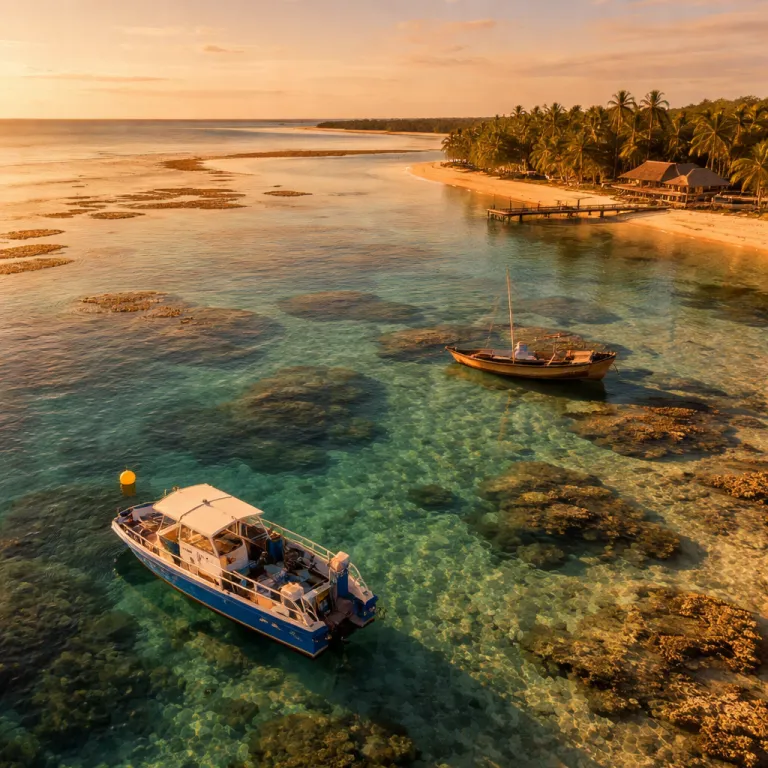
Mapping Mozambique’s marine capital: from southern shark alleys to island sanctuaries
Diving in Mozambique rewards patient divers who value wild oceans and uncrowded reefs. Along roughly 2,500 km of coastline, the most memorable dive areas sit where currents collide and reef systems still feel largely untouched. This is where exploring Mozambique’s top dive regions becomes less a checklist and more a slow, saltwater cartography.
Southern Mozambique, from Ponta do Ouro up to Tofo and Vilanculos, concentrates many of the best diving areas, yet each site has a distinct personality and depth profile in meters. The Mozambique Tourism Board highlights dozens of charted reefs near key hubs, with local dive operators steadily adding new pinnacles and walls as they survey more of the continental shelf. For travelers planning Mozambique diving holidays, this spread means you can pair a single luxury island or coastal lodge with several contrasting dive sites rather than chasing long transfers.
To the north, the Bazaruto Archipelago and the Quirimbas Archipelago anchor Mozambique’s reputation as a marine capital. These islands offer a softer rhythm than southern Mozambique, with long sandbars, seagrass meadows and reef walls that drop from about 10 to more than 30 depth meters. Typical visibility in the dry season often ranges from 15 to 30 meters, with water temperatures hovering between 23°C and 28°C depending on month and latitude. For solo explorers, the combination of quiet islands, rich marine life and low diver traffic makes each reef feel like a private marine reserve.
Marine tourism here is not an afterthought to safari in South Africa but a primary reason to travel. The national strategy for coral reef management, approved by the Government of Mozambique in 2021 as part of its Blue Economy commitments, underlines how seriously the country treats its reef systems and endangered species. As a result, seeking out Mozambique’s standout dive sites now means engaging with a coastline where conservation, community and high end hospitality are increasingly intertwined.
Southern Mozambique’s shark corridors: Ponta do Ouro to Tofo Beach
Ponta do Ouro sits just north of the South Africa border and feels purpose built for serious scuba divers. More than 20 named reef systems lie offshore, including sites such as Pinnacles (approximately 26°51′S 32°56′E) and Atlantis, and some dives here have recorded an impressive variety of shark species in a single session. For guests booking premium coastal retreats, this makes Ponta do Ouro one of the strongest dive gateways in southern Mozambique.
Most dive sites off Ponta do Ouro and neighboring Ponta Malongane are reached by semi rigid boats that launch directly from the beach. Depth ranges from around 12 to over 30 meters, with shallower reef gardens for relaxed scuba diving and deeper pinnacles where sharks patrol the blue. Expect reef sharks, hammerheads in season from roughly December to March and, on lucky days, tiger sharks cruising above the reef like slow moving torpedoes.
North of Ponta, Tofo Beach has become synonymous with whale sharks and manta rays. Cleaning stations near this laid back village offer some of the best diving in Mozambique for close encounters with giant oceanic mantas, while whale sharks feed in plankton rich waters just a few meters below the surface. Peak whale shark sightings typically fall between October and March, with manta encounters strongest from about May to November. Many luxury lodges in the wider Inhambane region now design stay packages around these pelagic species, pairing morning dive site runs with slow afternoons in ocean facing suites.
Tofo’s mix of professional scuba schools and relaxed cafés makes it easy to join a group dive or arrange a private guide. Operators here answer common questions clearly, such as “What is the best time to dive in Mozambique?” and “Are there beginner friendly dive sites?” and “Is diving equipment available for rent?”. This clarity, combined with strong safety standards and briefings in multiple languages, helps first time Mozambique dive guests feel comfortable tackling deeper reef sites and longer drift dives.
When you compare Ponta do Ouro with Tofo, think of Ponta as the shark corridor and Tofo as the pelagic lounge. Ponta’s most iconic reefs suit confident divers who enjoy current, depth and sharks, while Tofo’s mix of whale sharks, manta rays and reef fish works beautifully for mixed experience groups. For curated hotel suggestions that match these profiles, explore this guide to Mozambique island stays for discerning travelers and use it as a benchmark for service and marine access.
Beyond Bazaruto: islands, archipelagos and national park protection
Most travelers arrive having heard only of the Bazaruto Archipelago, yet Mozambique diving extends far beyond those famous islands. Bazaruto’s protected national park status, formalized in 1971 and expanded in subsequent decades, has preserved seagrass beds, coral reef systems and sandbank shallows that host dugongs, turtles and dense schools of reef fish. For many divers, this is where exploring Mozambique’s signature reef sites begins, especially if they prefer gentle conditions and luxury island lodges.
Within the Bazaruto Archipelago, each island offers a different relationship with the sea. Some properties sit close to shallow reef plateaus at 10 to 18 meters, ideal for long, relaxed scuba diving sessions with abundant marine life and minimal current. Others use fast boats to reach outer dive sites such as Two Mile Reef (near 21°44′S 35°27′E), where walls drop steeply, giving advanced divers a chance to log best dive memories among schooling jacks, barracuda and passing sharks.
Farther north, the Quirimbas Archipelago feels like a different country. Here, low density islands and almost zero diver traffic mean many reef systems remain in near pristine condition, with hard coral gardens and dramatic drop offs that start around 15 depth meters. Typical visibility in the drier months can exceed 25 meters, especially around remote atolls. For solo explorers seeking quiet, this region offers some of the best diving in Mozambique, especially when paired with small scale luxury properties that limit guest numbers on each dive boat.
Several lodges across these islands now integrate conservation into their daily operations. Guests can join reef monitoring dives, log species sightings and support community led marine projects that extend beyond the formal boundaries of any national park. As one local marine guide in Vilanculos noted in a 2022 interview for a regional conservation report, “When guests help us record what they see underwater, they become part of the long term story of these reefs.” If you care about how your hotel choice shapes the future of these dive sites, look for properties that publish clear marine life policies and partner with recognized conservation groups.
Food and service standards have risen in parallel with marine offerings, particularly around Vilanculos and the Bazaruto islands. To align your dive plans with serious culinary experiences, consult this detailed gastronomy focused hotel guide for Mozambique and cross reference it with operators who prioritize reef friendly practices. This pairing of refined hospitality and responsible Mozambique dive operations is where the country quietly competes with longer established Indian Ocean destinations.
Training, local capacity and the rise of peri divers
Behind every memorable dive site in Mozambique stands a network of local professionals who know each reef by feel. Programs such as Reef Check Mozambique’s Zero to Hero Diving initiative, active since the late 2010s, are building this capacity from scratch, taking young Mozambicans from non swimmers to qualified scuba professionals over multi month training cycles. This shift matters for travelers, because it anchors the country’s leading dive experiences in local expertise rather than fly in, fly out teams.
In several hubs, from Tofo to Vilanculos and Ponta do Ouro, you will meet peri divers and other community based guides who grew up near these beaches. Their knowledge of seasonal changes, fish behavior and shark movements often surpasses what any visiting instructor can offer. When you book a luxury coastal retreat, ask which local dive professionals the property partners with and how they support long term careers in scuba diving.
Training pathways now range from entry level scuba courses to advanced certifications that prepare divers for deeper reef walls and more complex dive sites. Many operators offer shore based training dives in shallow meters of water before progressing to boat dives over outer reef systems. This staged approach allows guests to build confidence gradually, moving from easy coral gardens to more challenging Mozambique dive profiles without pressure.
Equipment standards have improved as well, with most established centers offering modern scuba gear, nitrox options and well maintained boats. The Mozambique Tourism Board notes that “Boat dives. Shore dives. Liveaboard trips.” are all part of the current offer, supported by local dive shops, tourism agencies and marine conservation groups. For guests, this means you can choose between day boat excursions from a coastal villa or multi day liveaboard style itineraries that link several remote dive sites.
If you are weighing where to base yourself, consider how your hotel integrates with this training ecosystem. Properties that host on site dive centers or partner closely with local operators often deliver smoother logistics, better safety briefings and more nuanced advice on which reef or island suits your experience level. For a curated overview of such properties, the editorial selection at luxury stays in Mozambique with sustainable design offers a useful benchmark.
Planning your luxury dive stay: seasons, depths and hotel choices
Timing your trip is as critical as choosing the right island or coastal town. Local operators generally agree that April to November offers optimal conditions, with cooler water, better visibility and calmer seas along much of the Mozambique coast. Within that window, specific months may favor whale sharks in Tofo, humpback whales off southern Mozambique or clearer reef conditions in the Bazaruto Archipelago and Quirimbas Archipelago.
When comparing destinations, think in terms of depth meters, species focus and non diving comforts. Ponta do Ouro and nearby Ponta Malongane lean toward deeper, shark rich dive sites that suit confident divers comfortable at 25 to 30 meters. Tofo and Barra balance pelagic encounters with accessible reef profiles, while Bazaruto’s national park waters and northern islands offer gentler conditions and strong appeal for mixed experience groups.
Luxury and premium hotels along this coast increasingly design stays around the rhythm of the sea. Morning boat runs target the best dive windows, while afternoons might be reserved for spa treatments, dhow sails over shallow reef flats or guided walks through coastal villages. For solo explorers, this structure allows you to log serious Mozambique diving hours without sacrificing the slower pleasures of a well run island retreat.
Budget wise, shore based diving from a comfortable guesthouse in Tofo or Ponta can be significantly more affordable than a private island in the Bazaruto Archipelago. However, island lodges often include boat transfers, gear storage, attentive dive staff and flexible scheduling that maximizes your time at each dive site. The best dive focused properties will also brief you on local marine life, from common reef fish species to seasonal manta rays and whale sharks, so every immersion feels intentional.
As you refine your itinerary, remember that Mozambique’s marine life is still wild, and no operator can guarantee specific sharks or mantas on any given day. What they can guarantee is thoughtful planning around tides, currents and visibility, plus honest advice on which sites suit your certification level. That combination of realism, reef respect and refined hospitality is precisely how Mozambique quietly became a marine capital for divers who value depth over hype.
FAQ
What is the best time to plan a diving trip to Mozambique ?
The most reliable conditions for exploring Mozambique’s leading dive areas generally fall between April and November, when seas are calmer and visibility improves along much of the coast. Within that period, cooler months often bring better chances of seeing humpback whales in southern Mozambique and clearer reef conditions in the Bazaruto Archipelago. Always confirm local patterns with your chosen dive operator, as microclimates can affect specific dive sites.
Are there beginner friendly dive sites near luxury hotels ?
Yes, several regions combine premium hotels with gentle reef profiles suitable for new divers. Around Vilanculos and the inner islands of the Bazaruto Archipelago, many dive sites sit between 8 and 18 meters with mild currents and abundant reef fish. Tofo and Barra also offer sheltered bays for training dives before progressing to deeper sites with whale sharks and manta rays.
Is scuba equipment easy to rent in Mozambique’s main dive hubs ?
Established operators in Ponta do Ouro, Tofo, Vilanculos and the main islands maintain full scuba gear rental inventories, including regulators, BCDs and wetsuits. Many also provide dive computers and underwater cameras for hire, though availability can vary during peak periods. If you have specific size requirements or prefer certain brands, reserve equipment when you book your dives.
Can I combine shark diving with island based luxury stays in one itinerary ?
Combining shark focused dives in Ponta do Ouro with a few days on an island in the Bazaruto Archipelago or Quirimbas Archipelago is entirely feasible. Most travelers route through Maputo or Vilanculos, using short domestic flights and road transfers to link southern Mozambique with island national park waters. A specialist booking platform can help sequence these legs so you respect no fly times between deep shark dives and onward flights.
Do I need advanced certification for Mozambique’s best dive sites ?
Many of the most renowned diving areas, especially deeper shark reefs around Ponta do Ouro and some outer walls in the islands, are more enjoyable with Advanced Open Water or equivalent training. However, there are numerous shallower reef sites in Tofo, Vilanculos and the archipelagos where Open Water divers can safely explore rich marine life. If you plan to progress your certification, consider completing your advanced course early in the trip so you can access a wider range of dive sites.