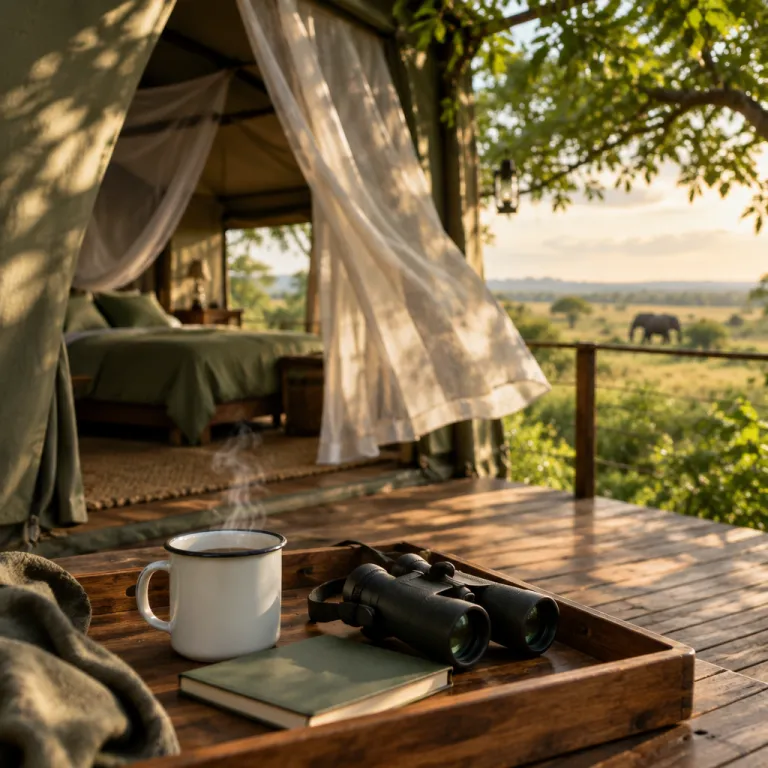
Gorongosa National Park as a luxury base in central Mozambique
Gorongosa National Park sits in central Mozambique, where the southern end of the Great Rift Valley meets the lowlands. This Gorongosa landscape combines a wide valley, a large floodplain, and the dramatic outline of Mount Gorongosa rising like a private mountain backdrop. For travelers booking premium hotels in Mozambique, this national park offers a rare mix of wildlife immersion, refined comfort, and a strong conservation story.
The park authorities and the government of Mozambique position Gorongosa National Park as a flagship conservation and hospitality area. After the civil war, the government of Mozambique partnered with the Carr Foundation and philanthropist Greg Carr to rebuild both wildlife and tourism infrastructure. According to the Gorongosa Project’s published reports, this long-term partnership has guided the park’s recovery and tourism model. Today, luxury travelers can stay in elegant lodges that channel revenue directly into conservation of threatened species and into employment for local people.
From a hospitality perspective, Gorongosa is not only a wildlife park but also a curated experience in one of Africa’s greatest restoration stories. Guests wake to the sound of elephants moving through the forest and end the day with sundowners overlooking the valley and the distant mountain. As one recent visitor quoted in Gorongosa Project materials put it, the park feels like “watching a lost ecosystem come back to life in real time.” This blend of African wilderness and attentive service makes the greater Gorongosa region a compelling alternative to more crowded safari areas in South Africa.
From civil war to conservation icon: why your booking choices matter
The civil war in Mozambique devastated Gorongosa’s ecosystems, with many large animals such as elephants and African buffalo almost wiped out. When peace returned, the government of Mozambique invited the Carr Foundation and Greg Carr to launch the long-term Gorongosa Project, turning the national park into a living laboratory for conservation and community development. Booking a premium stay here now directly supports this ongoing recovery of wildlife and forest habitats, a link highlighted in Gorongosa Project impact summaries and National Geographic coverage of the park.
Today, the park’s management model blends public and private roles, with the government retaining ownership while the Gorongosa Project oversees day-to-day conservation and tourism. This partnership has helped restore more than two hundred mammal and bird species, including growing herds of large animals on the floodplain, as documented in Gorongosa Project biodiversity surveys. As a guest, you are not just paying for a room in Africa but investing in a national conservation blueprint that other African countries quietly study through technical exchanges and study tours.
Luxury travelers often ask how their stay can benefit local people rather than only the park. Gorongosa answers that question through community-run coffee on Mount Gorongosa, employment in lodges, and support for small agricultural projects in Sofala Province. Gorongosa Project reports describe how these initiatives link farmers to specialty coffee markets and climate-resilient crops. To understand this agricultural side of Mozambique that most travelers miss, it is worth reading about cashew country and palm wine traditions before you choose where to stay.
Hidden gem stays around greater Gorongosa and Mount Gorongosa
Most visitors sleep inside the national park, yet the greater Gorongosa region hides a handful of premium lodges and villas on private land. Within the park, Montebelo Gorongosa Lodge & Safari and Muzimu Lodge offer classic safari comfort, while seasonal tented camps provide a more intimate feel. Some properties sit near the base of Mount Gorongosa, where cool air from the mountain and the nearby rainforest creates a different microclimate from the valley floor. These stays suit travelers who want both easy access to the wildlife park and a retreat-style atmosphere for longer holidays.
On the mountain slopes, small luxury camps overlook forested ravines that still shelter rare species of birds and primates. From these elevated decks, guests can look across the Rift Valley and see the flat expanse of the park’s plains where elephants and African buffalo gather at dawn. The contrast between the lush rainforest on Mount Gorongosa and the open valley below gives this area a layered African character that many South Africa veterans find refreshingly different and less commercial than some private reserves.
High-end travelers sometimes combine Gorongosa National Park with coastal stays or even regional itineraries that include South Africa and the Indian Ocean islands. For those planning multi-country escapes, curated services such as Gemma Dellest style luxury journeys can link Gorongosa with beach villas and private aviation. Typical itineraries might pair four nights in Gorongosa with three to five nights in the Bazaruto Archipelago or Vilanculos, turning a single wildlife park visit into a broader African journey that still keeps Gorongosa as the emotional centerpiece.
Designing a premium itinerary: when to go and where to splurge
Planning a luxury trip to Gorongosa National Park starts with choosing the right season for your style of travel. During the dry months from roughly May to October, wildlife viewing is strongest as large animals concentrate around shrinking water sources in the valley and forest fringes. In the green season, usually November to April, the rainforest on Mount Gorongosa comes alive, and the mountain streams and forest species appeal to photographers and birders who enjoy dramatic skies and lush scenery.
Premium lodges inside the national park usually include guided game drives, walking safaris, and sometimes helicopter flights over the Rift Valley and Mount Gorongosa. These experiences reveal how the park’s landscape shifts from open grassland to dense forest and then to the mountain plateau, each area supporting different wildlife species. If you value privacy, consider booking a villa or tented suite with its own plunge pool and dedicated guide, especially during peak African holiday periods when availability tightens and private vehicles become more sought after.
Price-sensitive luxury travelers can time their visit for the shoulder months when rates soften but wildlife remains active. For a deeper look at how Mozambique pricing changes across the year, review this guide to the September shoulder season and softer tariffs before confirming dates. As a broad indication, premium nightly rates in and around Gorongosa often sit in the mid to upper range for Mozambique safaris, with fully inclusive stays typically higher than bed-and-breakfast options. Splurging on a few key experiences, such as a private drive at dawn when elephants emerge from the forest, often delivers more value than upgrading every room category.
What sets Gorongosa apart from other African wildlife parks
Gorongosa National Park differs from many African wildlife parks because it is a restoration story rather than a static reserve. After the civil war, the area had lost most of its large animals, yet the underlying forest, floodplain, and mountain habitats remained intact. The Gorongosa Project, supported by the Carr Foundation and partners such as the National Geographic Society, turned this national park into a model of science-led conservation, with research centers, long-term monitoring, and published studies on ecosystem recovery.
Unlike some parks in South Africa where wildlife densities are high but landscapes feel managed, Gorongosa offers a wilder sense of Africa’s greatest ecological processes unfolding in real time. Guests may see elephants reclaiming old migration routes, African buffalo herds rebuilding, and predators returning as prey species recover, patterns described in National Geographic articles on the park’s revival. This dynamic recovery makes each game drive feel like a chapter in an ongoing story rather than a checklist of species.
The presence of Mount Gorongosa and its surrounding rainforest adds another dimension that many savanna-only reserves lack. From the mountain, you can look down over the Rift Valley and understand how water flowing from the forest feeds the park’s wetlands that sustain wildlife. For travelers choosing between several national parks, this combination of mountain, valley, and conservation innovation often tips the decision toward Gorongosa, especially for those who value both biodiversity and social impact.
Practical booking advice for luxury and premium stays near Gorongosa
When booking high-end accommodation around Gorongosa National Park, start by clarifying whether you prefer to stay inside the park or in the greater Gorongosa surrounds. Properties inside the wildlife park offer immediate access to game drives, while those near Mount Gorongosa or in Sofala Province villages provide more cultural interaction with local people. Both areas contribute to conservation and community projects, so the choice depends on your travel style rather than impact alone, and many travelers split their stay between the valley and the mountain.
Check how each lodge partners with the government of Mozambique and the Gorongosa Project on conservation and social programs. Some properties fund specific forest restoration on Mount Gorongosa, others support anti-poaching patrols that protect elephants and other large animals across the valley. Gorongosa Project updates outline how tourism revenue flows into ranger training, science education, and women’s empowerment programs. Asking clear questions about where your nightly rate goes helps you select a stay that aligns with your values and deepens your connection to this African national park.
Access logistics also matter, especially for travelers combining Gorongosa with other parts of Mozambique or South Africa. Many premium guests arrive by charter flight into the park’s Chitengo airstrip, then transfer by 4x4 through the forest and floodplain area to their lodge. Charter companies based in Beira and Vilanculos commonly service this route. If you prefer a slower approach, overland routes from Beira in Sofala Province reveal how the surrounding communities and landscapes frame the protected wildlife area.
Immersive experiences: beyond game drives in Gorongosa’s hidden corners
Luxury travel in Gorongosa National Park extends well beyond traditional game drives in open vehicles. Walking safaris in the forest fringes and along the river channels of the valley allow guests to appreciate smaller species, from birds to insects, that underpin the health of the wider area. Night drives sometimes reveal shy large animals and predators that avoid the heat of the African day, and specialist birding outings focus on the park’s notable raptor and waterbird populations.
On Mount Gorongosa, guided hikes through the rainforest introduce travelers to endemic plant species and waterfalls that feel far removed from the open plains of the wildlife park. These mountain excursions highlight how the forest acts as a water tower for the entire national park, feeding the wetlands where elephants, African buffalo, and antelope gather. Many guests describe this dual experience of mountain and valley as the most memorable part of their Mozambique journey, especially when combined with a visit to the park’s research center or conservation education programs.
Cultural visits to nearby communities in Sofala Province help guests understand how local people and the government of Mozambique work with the Gorongosa Project to balance livelihoods and conservation. You might visit coffee cooperatives on the mountain slopes or schools supported by tourism revenue from the park’s lodges. Gorongosa Project social impact reports describe how these initiatives improve health, education, and income opportunities. Such encounters turn a stay in Gorongosa from a simple safari into a deeper engagement with the future of Africa’s greatest restoration landscapes.
Key figures and conservation statistics for Gorongosa
- Wildlife surveys indicate that large mammal populations in Gorongosa have rebounded from fewer than two thousand individuals after the civil war to more than sixty thousand today, according to aerial census data shared by the Gorongosa Project and summarized by National Geographic in its coverage of the park’s recovery.
- Elephant numbers in the national park have increased steadily, with recent estimates suggesting more than eight hundred animals, compared with fewer than two hundred immediately after the conflict, based on figures cited by conservation researchers working in Mozambique and reported in Gorongosa Project monitoring updates.
- The protected area of Gorongosa National Park covers roughly four thousand square kilometres in the valley plus an additional buffer around Mount Gorongosa, making it one of the larger conservation landscapes in central Africa, as outlined in official park management plans and government of Mozambique documentation.
- Community programs linked to the park’s operations support more than two hundred thousand people in Sofala Province through health, education, and agricultural initiatives, as reported by the Gorongosa Project and government of Mozambique partners in their joint social impact summaries.
- Independent economic assessments commissioned by the Gorongosa Project suggest that every premium bed night sold in Gorongosa generates a multiplier effect of several times that value in local wages, services, and conservation funding across the greater Gorongosa region, reinforcing the link between high-end tourism and long-term protection of the park.
FAQ about luxury stays in Gorongosa National Park
Is Gorongosa National Park suitable for a first time luxury safari ?
Gorongosa National Park works very well for first time safari travelers who value both comfort and meaning. The park offers stylish lodges, attentive guiding, and diverse wildlife, while also showcasing a powerful conservation and community story. Compared with some parks in South Africa, it feels wilder and less crowded, which many guests appreciate, especially those seeking a more authentic sense of space.
How many days should I spend in Gorongosa for a premium experience ?
For a luxury stay, plan at least four to five nights in Gorongosa National Park. This allows time for game drives in the valley, a visit to Mount Gorongosa, and possibly a rainforest hike or community excursion. Travelers combining Gorongosa with coastal Mozambique or South Africa often extend to seven nights for a more relaxed pace and to build in rest days between activities.
Can I combine Gorongosa with beach destinations in Mozambique ?
Many premium itineraries pair Gorongosa National Park with the Bazaruto Archipelago or the Quirimbas Islands for a bush and beach combination. Charter flights or scheduled services link central Mozambique with coastal hubs, making transfers relatively straightforward. This mix of wildlife park and Indian Ocean coastline suits travelers seeking both adventure and downtime, with snorkeling, dhow cruises, and spa treatments complementing time on safari.
Is Gorongosa safe and well managed for high end travelers ?
The government of Mozambique and the Gorongosa Project maintain strong security and professional park management, making Gorongosa National Park a stable destination for high-end visitors. Lodges follow international safety standards, and experienced guides manage wildlife encounters carefully. As with any African safari, working with reputable operators and following local advice ensures a smooth stay, and most luxury guests report feeling very well looked after.
What makes Gorongosa different from other national parks in Africa ?
Gorongosa stands out because it is a restoration-focused national park where wildlife, forest, and community recovery are still unfolding. The presence of Mount Gorongosa, the surrounding rainforest, and the Rift Valley floodplains creates a rare combination of habitats in one area. For many travelers, this blend of ecological diversity, scientific research, and meaningful conservation impact sets Gorongosa apart from more conventional wildlife parks and makes a luxury stay here feel genuinely purposeful.