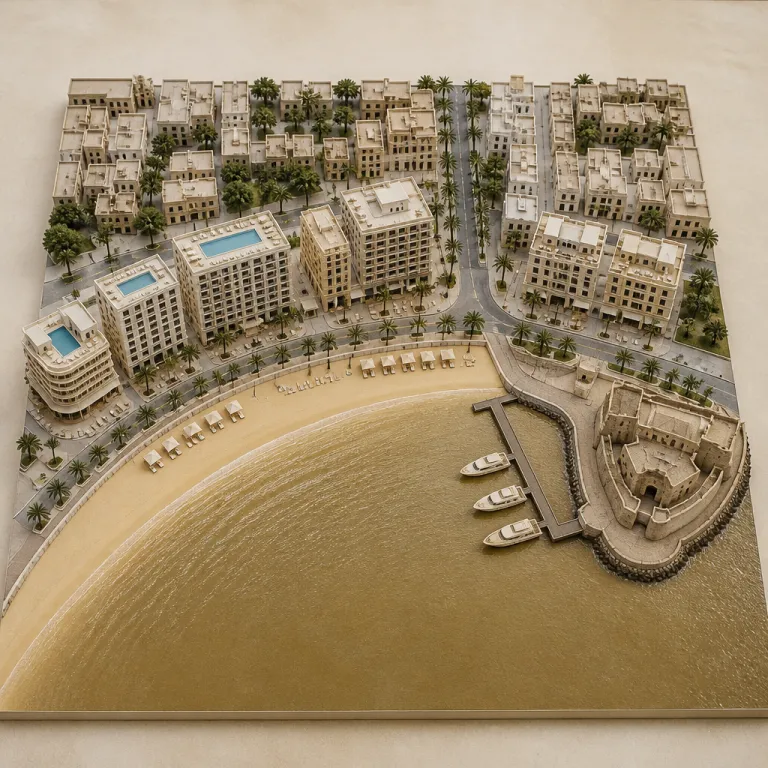
Maputo, Mozambique’s capital city as a refined coastal escape
Maputo, the capital of Mozambique, offers a sophisticated coastal city escape for travelers who value comfort, culture, and a sense of place. The metropolis stretches along Maputo Bay on the Indian Ocean, where a working port and elegant seafront hotels share the same horizon and create a uniquely urban yet resort-like atmosphere. When you plan a stay in Maputo, you experience both the energy of a major African capital and the calm of a waterfront retreat, often within the same afternoon.
The city was once known as Lourenço Marques, and traces of that Portuguese era remain in the architecture, the language, and the café culture that still shapes daily life. Today, Maputo functions as the political and economic heart of the country, with the Maputo City Council coordinating municipal development and national government ministries concentrated in the central districts. This role as Mozambique’s capital ensures strong infrastructure around premium hotels, from reliable road links to the international airport to upgraded utilities in the main urban neighborhoods, particularly in areas favored by business and leisure travelers.
Travelers choosing luxury hotels in the city benefit from Maputo’s strategic position in the south of Mozambique, close to the border with South Africa and facing the Indian Ocean trade routes. The port of Maputo, managed by the Maputo Port Development Company, underpins the city’s growth and supports a steady flow of business travelers who demand high service standards and refined accommodation. For leisure guests, this same harbor setting means sea views, fresh seafood, and easy access to coastal excursions that turn a short city stay into a memorable African escape, whether you are in a bay-view suite or relaxing beside a hotel pool.
Climate, seasons, and the best time to book luxury hotels
The climate in Maputo is classified as subtropical, with warm temperatures throughout the year and a distinct rainy season that shapes how visitors use the city. According to WorldStats climate data, average temperatures hover around 23.6 °C and annual rainfall is about 692 mm, shaping the rhythm of the city’s outdoor life and hotel pool culture. Understanding this pattern helps you choose the right time to enjoy the Mozambican capital in comfort while securing the best value on premium rooms and suites.
The drier months suit travelers who want to explore the urban waterfront, visit Independence Square, and enjoy rooftop bars overlooking Maputo Bay without frequent showers. During the wetter period, the city’s lush gardens, such as Tunduru Gardens, feel especially vibrant, and luxury hotels often respond with attractive offers on suites and spa packages to keep stays appealing even when skies are overcast. If you are flexible with dates, pairing your stay with seasonal premium hotel discounts through a specialist platform for exceptional Mozambique premium hotel discounts can significantly enhance your experience in the city without compromising on comfort.
Climate change is already influencing rainfall patterns and coastal conditions along Maputo Bay, and responsible hotels are adapting with improved drainage, energy-efficient systems, and resilient infrastructure. When you evaluate luxury properties in the capital, look for clear sustainability policies that address climate risks, from water management to coastal protection and backup power. Choosing hotels that invest in resilient development not only protects your comfort during heavy rains, it also supports long-term growth for Maputo as a leading African coastal destination that can welcome guests year after year.
From Lourenço Marques to Maputo: history, independence, and urban character
Maputo’s layered history is central to its appeal for discerning travelers who want more than a standard city break. The settlement that became Lourenço Marques, named after the Portuguese trader who explored the bay, gradually evolved into the modern capital Mozambique relies on today. Walking through central districts, you can still sense this transition from colonial Lourenço Marques to contemporary Maputo in the façades, the street names, and the public squares that frame daily life.
Independence Square is a focal point where the story of the city comes into sharp relief for visitors. Here you will find the statue of Samora Machel, the country’s first president, facing the City Hall and the cathedral, while nearby avenues reference figures such as Eduardo Mondlane, a key leader in the independence movement. These landmarks remind guests that Maputo is not only a leisure destination but also a symbol of national independence, resilience after civil war, and ongoing development guided by both municipal and national government, which together shape the city’s evolving skyline.
For travelers choosing high-end hotels, this historical depth enriches every city walk and every view from a sea-facing suite. Many premium properties sit within easy reach of the railway station, Independence Square, and the waterfront, allowing guests to move seamlessly between cultural visits and refined relaxation. One local guide describes leading guests from a morning tour of the fortress straight to a late lunch on the bay as “the moment when Maputo’s past and present sit at the same table,” and this balance of heritage and comfort is exactly what curated guides to elegant stays in Maputo city aim to highlight when they recommend hotels with strong service and privileged access to the capital’s most meaningful sites.
Urban infrastructure, Maputo International Airport, and seamless premium arrivals
Access is a decisive factor when selecting a luxury hotel in any African capital, and Maputo excels in this regard. Maputo International Airport sits only a short drive from the main hotel districts, which means most guests can reach their suites within thirty to forty minutes of clearing formalities. This proximity between the international airport and the central areas is a major advantage for both business and leisure travelers who value time, comfort, and predictable transfers.
Recent infrastructure upgrades around Maputo International have improved road links, signage, and security, making transfers to the waterfront and central business district smoother and more reliable. Many premium hotels offer private car services from the airport, and some coordinate with trusted local operators to ensure safe, efficient journeys at any hour, often including meet-and-greet assistance. Because the capital serves as a gateway for southern Mozambique and neighboring South Africa, these services are designed to handle both short city escapes and longer itineraries that extend beyond the urban core into coastal or safari regions.
The port and the historic railway station further reinforce Maputo’s role as a transport hub for this part of Africa. While the port complex focuses on cargo and trade, its presence supports the broader urban economy, which in turn sustains high-quality hospitality services and refined dining options that appeal to international guests. When you book a luxury stay in Maputo, you benefit from this interconnected infrastructure, enjoying reliable connectivity, strong urban services, and a sense that the city is oriented toward both present comfort and future growth in the wider region.
Coastal elegance on Maputo Bay and regional city escapes
Maputo Bay shapes the city’s identity as much as its role as national capital, and it provides a scenic backdrop for many of the finest hotels. From sea-facing terraces, guests watch ships move through the port while the Indian Ocean light softens the skyline and turns even a short city break into a coastal retreat. One concierge describes the view at dusk as “a silver path across the bay that makes the whole city feel like a private resort,” capturing why Maputo appeals to travelers seeking refined yet authentic African experiences that still feel connected to local life.
Many luxury properties in the Mozambican capital make the most of their bayside locations with infinity pools, open-air lounges, and menus centered on fresh seafood sourced from the Indian Ocean. Guests can spend mornings exploring city landmarks, then return to the hotel for spa treatments and sunset drinks overlooking Maputo Bay, often accompanied by live music or contemporary Mozambican art. For those planning a broader itinerary across southern Mozambique, Maputo serves as a natural starting point before heading north along the coast to destinations such as Vilanculos, a mainland gateway that is becoming a destination in its own right and is well profiled in this guide to the mainland gateway on Mozambique’s coast.
Regional connections with South Africa also influence how travelers use Maputo as a city escape, often pairing a few nights in the capital with safaris or beach stays across the border. Because the government and local partners prioritize tourism development, urban infrastructure continues to improve, from upgraded roads to enhanced public spaces along the waterfront and bayfront promenades. This steady development ensures that each return visit to Maputo reveals new restaurants, renovated hotels, and refined experiences that match the expectations of luxury travelers while still reflecting the character of Mozambique’s coastal capital.
Culture, cuisine, and practical tips for luxury hotel bookings in Maputo
Culture is central to the Maputo city experience, and it directly shapes what you should look for when booking premium accommodation. The city is known for its vibrant arts scene, colonial architecture, and busy port, and the best hotels reflect this identity through design, art collections, and curated local experiences. When evaluating options in the capital, prioritize properties that connect you with the city’s cultural life rather than isolating you from it, whether through gallery partnerships, live music, or neighborhood walks.
Portuguese remains the official language in Maputo, while local languages are also spoken, and many hotel staff members are fluent in English to support international guests. High-end properties often arrange guided visits to Maputo Fortress, Tunduru Gardens, and key independence landmarks, allowing you to understand how figures such as Samora Machel and Eduardo Mondlane shaped the modern state. Some hotels also collaborate with local chefs to reinterpret Mozambican cuisine, pairing Indian Ocean seafood with Portuguese influences and African spices for refined tasting menus that highlight dishes such as peri-peri prawns or matapa, often accompanied by Mozambican wines or fresh tropical juices.
For practical booking, use reputable platforms that specialize in luxury stays in African cities and that clearly present room categories, cancellation policies, and verified guest reviews. Pay attention to how each hotel addresses climate change, urban sustainability, and community engagement, as these factors increasingly define responsible luxury in Maputo and other African capitals. When you align your choices with properties that support local employment, respect the city’s history from Lourenço Marques to Maputo, and invest in resilient infrastructure, your stay contributes to the long-term growth and stability of this dynamic coastal capital while still delivering the level of service you expect.
Key figures and urban context for Maputo luxury travel
- Maputo’s population is approximately 1 254 837 people, according to WorldStats demographic data, which supports a diverse hospitality scene with enough demand to sustain multiple luxury and premium hotels.
- The average temperature of 23.6 °C, reported by WorldStats, creates a consistently warm climate that allows year-round use of hotel pools, terraces, and outdoor dining spaces.
- Annual rainfall of about 692 mm, also from WorldStats, concentrates in the rainy season, so travelers who prefer drier conditions for city walks and bay cruises should target the cooler, less humid months.
- Maputo’s status as Mozambique’s capital and largest city, confirmed by municipal and national data, ensures that infrastructure investments in roads, utilities, and the port directly benefit high-end hotels and their guests.
- Urban expansion and infrastructure upgrades, highlighted by local authorities, indicate ongoing development that will continue to enhance access between Maputo International Airport, the port, and the main hotel districts.
FAQ: planning a luxury stay in Maputo, Mozambique
What is Maputo known for among luxury travelers ?
Maputo is known for its vibrant culture, colonial architecture, and port, and these elements translate into a city escape where guests can combine heritage walks with refined waterfront stays. Luxury travelers appreciate the mix of Indian Ocean views, strong restaurant offerings, and easy access to cultural sites such as Independence Square and Maputo Fortress. The city’s role as Mozambique’s capital also ensures better infrastructure and services than many smaller coastal cities, which is reflected in the quality of its premium hotels.
Is Maputo safe for tourists staying in premium hotels ?
Maputo is generally safe, but exercise usual precautions, especially when moving around the city at night or carrying valuables. Most luxury and premium hotels maintain strong security protocols, including controlled access, trained staff, and reliable transport partners for airport and city transfers. As in any African capital, using registered taxis or hotel cars and following local advice significantly reduces risk and helps you focus on enjoying the city’s coastal atmosphere.
Which areas of Maputo are best for high end hotel stays ?
The central districts near the waterfront and Maputo Bay, including areas close to Independence Square and the main business corridors, host many of the city’s finest hotels. These neighborhoods offer convenient access to the port, the railway station, and key cultural attractions, making them ideal for short city escapes that combine sightseeing with relaxation. Proximity to Maputo International Airport via upgraded roads also makes these areas practical for business travelers with tight schedules and for guests planning onward journeys.
What languages are spoken in Maputo’s hotels and restaurants ?
Portuguese is the official language ; local languages are also spoken, especially in markets and residential areas. In most luxury hotels, reception, concierge, and restaurant staff speak English, and some may also speak French or other European languages depending on clientele. This multilingual environment makes it straightforward for international guests to arrange excursions, restaurant bookings, and transport around the city without communication barriers.
How does Maputo’s climate affect hotel and activity choices ?
The warm subtropical climate, with an average temperature around 23.6 °C, favors outdoor pools, terraces, and bay cruises for much of the year. During the rainy season, travelers may prefer hotels with strong indoor facilities such as spas, gyms, and fine dining, while using drier periods for walking tours and day trips along the coast or into nearby reserves. As climate change influences rainfall and coastal conditions, choosing hotels that invest in resilient infrastructure and sustainable practices helps ensure comfort and reliability during your stay.
Trusted references for further information
- WorldStats – demographic and climate data for Maputo and Mozambique.
- Maputo City Council – official information on municipal services and urban development.
- Maputo Port Development Company – details on port operations and infrastructure projects.