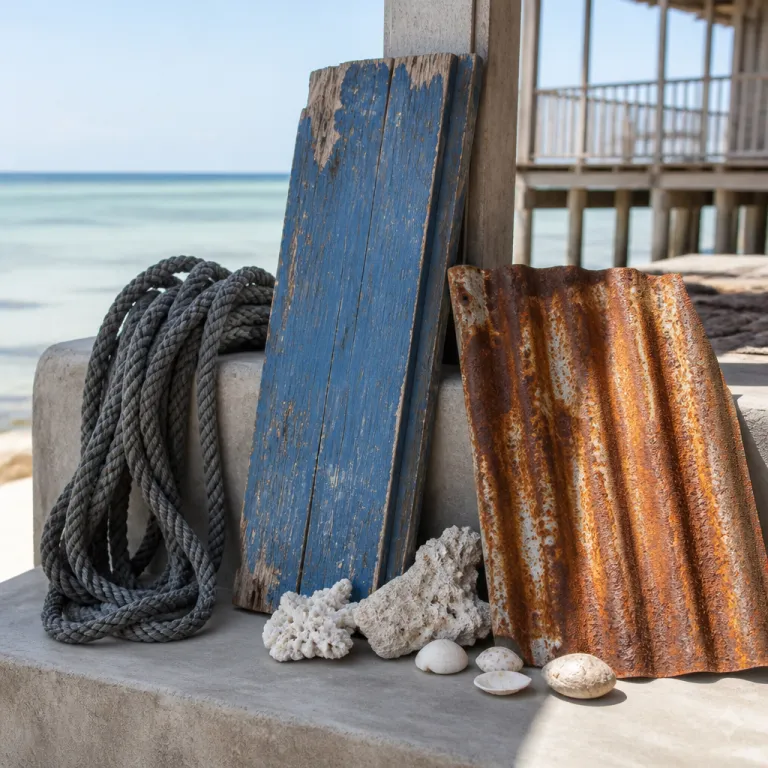
Why the Quirimbas Archipelago in Mozambique defines remote coastal luxury
The Quirimbas Archipelago in northern Mozambique stretches for roughly 250 kilometres along a largely protected coast, forming a chain of about 32 islands in the warm Indian Ocean. This island group combines white sand beaches, mangrove forests, and coral reefs with a layered history shaped by Makonde fishing communities, Swahili traders, and Portuguese colonisers. For travellers planning a luxury holiday, the region offers rare seclusion, high end island lodges, and a strong focus on conservation within the wider Quirimbas National Park, which UNESCO recognises as part of the Quirimbas Biosphere Reserve (see UNESCO Man and the Biosphere Programme summary for Quirimbas).
Stays in the Quirimbas islands feel genuinely remote, yet they remain accessible via Pemba, the coastal hub of Cabo Delgado province and the main aviation gateway. From Pemba, light aircraft or boat transfers carry you to private island retreats such as Quilalea Island or Matemo Island, where each island lodge is designed to maximise the view and the sense of space. Many of these island resorts limit guest numbers, so the islands retain a quiet atmosphere that suits couples, honeymooners, and small groups seeking privacy and uninterrupted time on the water.
History is never far away in the Quirimbas Archipelago, especially around Ibo Island, which once anchored regional maritime trade routes. Stone buildings, old forts, and narrow streets on Ibo Island tell stories of Swahili traders and later Portuguese rule, while nearby islands still support traditional fishing using dhows and nets. As one long time guide on Ibo likes to say, “every tide uncovers another layer of history”, and this blend of cultural depth and natural beauty makes the Quirimbas coastline one of the most characterful luxury coastal retreats in the Indian Ocean.
Planning your stay: best time, seasons, and routes via Pemba
Choosing the best time for a holiday in the Quirimbas region is central to a successful trip. The dry season generally offers the best time to visit, with clearer skies, calmer seas, and more predictable conditions for diving, snorkelling, and boat excursions between the islands. Many travellers plan their time to visit around these months, when visibility on the reefs is usually higher and the beaches feel particularly pristine, especially on smaller islands with limited day visitor traffic.
Access to the Quirimbas islands usually begins with a flight into Pemba, in northern Mozambique, followed by a scheduled or charter transfer to your chosen island resort or lodge. Typical transfer times range from 20 to 40 minutes by light aircraft, or longer by boat depending on sea conditions. Some travellers combine time in the Quirimbas Archipelago with other coastal areas such as the Bazaruto Archipelago further south, using Pemba and Vilanculos as key hubs for internal flights and regional connections.
Transfers between islands such as Ibo Island, Matemo Island, and Quilalea Island are often arranged directly by the lodges, which coordinate boats or small aircraft according to tide and weather. Because infrastructure across the archipelago remains limited, booking through a specialist platform or operator with strong local partnerships in Mozambique is advisable. This approach ensures that your time in each island lodge is optimised, from arrival and departure times to the sequence of activities like diving, snorkelling, and cultural excursions, while also allowing for up to date advice on visas, health requirements, and current security guidance for Cabo Delgado.
Where to stay: signature island lodges and private retreats
Accommodation in the Quirimbas Archipelago area focuses on low density, high comfort lodges that blend into the coastal landscape. On Ibo Island, restored mansions and heritage properties offer suites with high ceilings, shaded verandas, and rooftop terraces that frame the view across the tidal flats and mangroves. These lodges often pair historical architecture with modern comforts, creating a refined base for exploring Ibo Island’s forts, markets, and artisan workshops, where silversmiths and carvers still work in small courtyards.
Further out in the archipelago, Matemo Island and Quilalea Island host intimate island resorts where villas sit just metres from the beach, often with private plunge pools and direct access to the lagoon. Many of these island lodges emphasise eco friendly design, using natural materials, solar power, and careful water management to protect the fragile ecosystems of the Quirimbas islands. For travellers who value privacy, a fully private island stay can be arranged, where exclusive use of the island includes tailored menus, flexible activity schedules, and personalised guiding for diving and snorkelling that adapts to your pace.
Some guests pair a coastal stay in the Quirimbas with a river or safari experience elsewhere in Mozambique or neighbouring countries. For example, travellers who appreciate refined service and strong guiding standards at an elegant Zambezi facing retreat often seek similar quality when choosing an island lodge. When comparing options, focus on guest to staff ratios, access to house reefs, and whether your chosen lodge includes guided activities in its nightly rate or prices them separately, as this can significantly influence the overall value of a luxury itinerary. As a broad guide, many high end island lodges in the Quirimbas price stays on a per person, per night basis, with rates that reflect factors such as seasonality, inclusions, and the level of exclusivity offered.
Marine experiences: diving, snorkelling, and seasonal wildlife encounters
The Quirimbas Archipelago coastline is renowned for its coral reefs, which support rich marine life and excellent diving and snorkelling conditions. Many island resorts sit close to house reefs, allowing guests to step from the beach into clear water for guided diving or independent snorkelling sessions. Popular activities in the Quirimbas include diving, fishing, and exploring historical sites, with some lodges also offering night dives or specialist photography outings for experienced underwater enthusiasts.
Experienced divers often compare the Quirimbas islands with other Indian Ocean destinations, yet the relative lack of crowds here keeps reef encounters more intimate. Some travellers combine a stay in the Quirimbas with time on the southern coast, using expert marine field guides to understand how whale sharks and manta rays move along Mozambique’s shoreline. In the Quirimbas, seasonal sightings of humpback whales and, occasionally, whale sharks add drama to boat trips, particularly during cooler months when these species migrate through the region and breach close to the channels between islands.
Because the Quirimbas National Park includes both marine and terrestrial zones, guided excursions often combine reef time with mangrove or sandbank explorations. Guests can spend one day diving and snorkelling off Quilalea Island or Matemo Island, then shift to kayaking through tidal channels or walking along remote beaches on a neighbouring island. When planning your time to visit, ask each lodge for recent visibility reports, current patterns, and typical sea conditions for your chosen season, as these factors shape the quality of your underwater experiences and help guides choose the safest sites each day.
Cultural depth: Ibo Island, Makonde heritage, and coastal traditions
Beyond the beaches and reefs, the Quirimbas Archipelago region carries a deep cultural narrative that enriches any luxury stay. Ibo Island, sometimes written as Island Ibo, has served as a trading post since medieval times, with Swahili traders and later Portuguese colonisers shaping its architecture and street layout. Walking tours with local guides reveal coral stone houses, churches, and forts that trace the island’s role in maritime trade across the Indian Ocean and its links to ports as far away as Zanzibar and Goa.
Makonde fishing communities, recognised as some of the original inhabitants of these islands, still rely on traditional dhows and nets for their livelihood. Guests staying on Ibo Island or nearby islands such as Quirimba Island can often visit villages, watch boat building, or see intricate Makonde woodcarving, which remains an important cultural expression in northern Mozambique. One common experience is watching carvers transform a single block of wood into a detailed family “ujamaa” tree, while a guide explains the stories behind each figure and how tourism helps sustain this craft.
Many lodges in the Quirimbas islands partner with community projects that focus on education, skills training, and marine conservation. When choosing where to stay, look for transparent information about how each island lodge engages with local residents, from employment practices to support for cultural festivals. This approach allows your holiday in the Quirimbas Archipelago to contribute positively to both the environment and the people who have shaped these islands over centuries, while also giving you more meaningful interactions during village visits and market tours.
Sustainability, conservation, and crafting a responsible luxury itinerary
Eco tourism has become a defining feature of high end travel in the Quirimbas Archipelago region. The Quirimbas National Park protects extensive coral reefs, mangroves, and terrestrial habitats that, according to UNESCO’s Man and the Biosphere Programme, host at least 46 terrestrial mammal species and around 1,000 plant species, including many that are locally endemic (see UNESCO Quirimbas Biosphere Reserve overview). For travellers, this means that each stay on an island resort or private island comes with a responsibility to support lodges that actively protect these ecosystems and report on their impact.
Many properties in the Quirimbas islands now use solar power, rainwater harvesting, and low impact building techniques to reduce their footprint. Some lodges collaborate with conservation organisations and local communities on turtle monitoring, reef surveys using diving and snorkelling teams, and sustainable fishing initiatives that help maintain fish stocks around islands such as Matemo Island, Quilalea Island, and Quirimba Island. When planning your holiday, ask each lodge for specific examples of their conservation work, rather than relying on general statements about sustainability, and consider offsetting flights through reputable climate projects.
Responsible itineraries often combine time on the coast with inland stays that follow similar principles, whether in Mozambique or neighbouring countries. Travellers who appreciate thoughtful design and strong guiding standards on the Zambezi or in other wildlife areas usually seek the same qualities when selecting an island lodge in the Quirimbas Archipelago. By aligning your choice of lodges, your preferred season of travel, and your activities such as diving, snorkelling, or cultural visits, you create a journey that balances comfort, authenticity, and long term protection of this remarkable archipelago and its communities.
Key figures for luxury travel in the Quirimbas Archipelago
- The Quirimbas Archipelago consists of roughly 32 islands off the northeastern coast of Mozambique, forming one of the country’s most extensive island chains in the Indian Ocean (source: NASA Earth Observatory mapping of the Quirimbas region and regional coastal surveys).
- The wider Quirimbas National Park protects around 1,000 recorded plant species, highlighting the botanical richness that surrounds many island lodges and private island resorts (source: UNESCO Man and the Biosphere Programme summary for the Quirimbas Biosphere Reserve).
- At least 46 terrestrial mammal species live within the Quirimbas National Park, underscoring the ecological value of combining marine activities with guided nature walks on selected islands (source: UNESCO Man and the Biosphere Programme data for Quirimbas).
- Access to the Quirimbas islands is typically via Pemba, the capital of Cabo Delgado province, which serves as the main aviation hub for flights to Ibo Island, Matemo Island, and other island resorts in northern Mozambique.
- Peak periods for marine wildlife such as humpback whales and, in some areas of Mozambique, whale sharks often overlap with the dry season, which is widely regarded as the best time to visit for stable sea conditions and clearer underwater visibility.
FAQ: planning a luxury stay in the Quirimbas Archipelago Mozambique
What is the best time to visit the Quirimbas Archipelago for a luxury holiday ?
The best time to visit the Quirimbas Archipelago is generally during the dry season, when rainfall is lower and sea conditions are calmer. These months usually provide better visibility for diving and snorkelling, as well as more comfortable temperatures on the beach and in the lodges. Travellers who prioritise marine wildlife such as humpback whales should ask lodges for current migration patterns when planning their stay, as timing can vary slightly from year to year.
How do I reach the Quirimbas islands and main island lodges ?
Most travellers fly into Pemba in northern Mozambique, then connect to their chosen island by light aircraft or boat transfer arranged through their lodge. Ibo Island often serves as a central hub within the archipelago, with onward connections to smaller islands such as Matemo Island, Quilalea Island, or Quirimba Island. Because infrastructure is limited, booking through a specialist platform or operator with strong local knowledge is recommended, and you should check current visa rules and security advisories before confirming flights.
What activities are popular in the Quirimbas Archipelago ?
Diving, fishing, and exploring historical sites are among the most popular activities. In practice, this means guests often combine reef diving or snorkelling with guided walks on Ibo Island, dhow cruises between islands, and visits to Makonde communities. Many lodges also offer kayaking, stand up paddling, and seasonal whale watching trips, along with sandbank picnics and sunset cruises tailored to small groups or couples.
How does the Quirimbas Archipelago compare with the Bazaruto Archipelago ?
The Quirimbas Archipelago feels more remote and less developed than the Bazaruto Archipelago, with fewer lodges and a stronger sense of isolation on many islands. Bazaruto, accessed mainly via Vilanculos, offers easier logistics and a slightly wider range of properties, which can suit first time visitors to Mozambique. Travellers seeking cultural depth and quieter beaches often favour the Quirimbas islands, while those prioritising convenience may start with Bazaruto and then extend north when they return.
Is a stay on a private island in the Quirimbas suitable for families ?
Many private island lodges in the Quirimbas Archipelago welcome families, offering multi room villas, flexible meal times, and tailored activities such as gentle snorkelling, sandbank picnics, and cultural visits. Parents should check age limits for specific activities like diving, as well as safety provisions such as lifeguards and child friendly equipment. For multi generational groups, exclusive use of a small island resort can provide both privacy and personalised service across all ages, while allowing the itinerary to be adjusted daily around tides and children’s energy levels.