Nampula to Nacala: how Mozambique’s northern corridor really works
Nampula sits quietly in northern Mozambique, yet it anchors a surprisingly sophisticated travel corridor. This is where many discerning travelers begin their journeys between Nampula and Nacala, using the city as a practical and cultural base before heading to the coast. For anyone planning Mozambique travel with an eye on authenticity, this northern axis between Nampula, Nacala, and the Indian Ocean offers one of the best combinations of access, character, and relative seclusion.
The city of Nampula is the third largest in Mozambique, and it functions as the aviation and commercial heart of Nampula Province. Domestic flights from Maputo and other hubs make Nampula an efficient first stop, giving travelers a manageable entry point into northern Mozambique without the security concerns further north in Cabo Delgado. From here, the road network fans out toward Nacala on the coast, toward Ilha de Moçambique to the east, and toward the inland highlands, creating a natural hub for a longer trip.
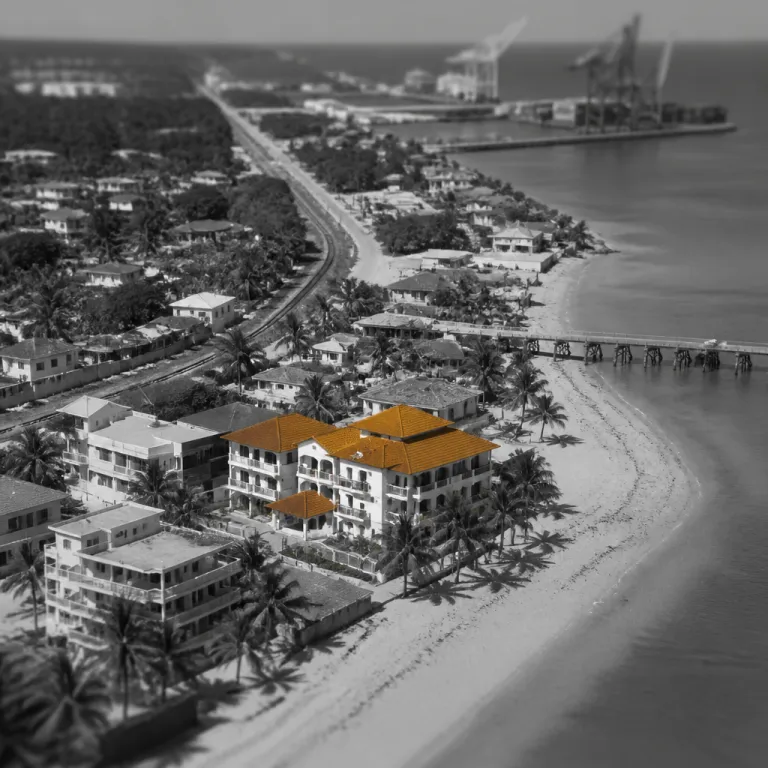
Nacala, by contrast, is a deep-water port city that feels more horizontal than vertical, stretching along Nacala Bay with long curves of sand and working quays. Nacala is defined by its maritime life, from the industrial rhythm of Nacala Port to the quieter beaches that frame the bay and look out toward island Mozambique horizons. The Nacala Corridor railway, running roughly 912 km inland from the coast to Moatize in Tete Province according to project documentation, underpins the region’s economy and gives context to the city’s role as a gateway rather than a simple resort town.1
For luxury travelers, the significance of Nacala’s port is not only commercial, yet the infrastructure it brings matters. Public data from the port operator and government summaries indicate that Nacala Port cargo handled in 2023 reached around 2 million tons (rounded estimate), and the same sources explain that Nacala’s harbor is one of the deepest natural ports in Africa, facilitating large maritime vessels and regional trade.2 They also state that the Nacala Corridor provides a direct transportation link from the Indian Ocean to landlocked regions, enhancing trade and economic development, which indirectly supports better roads, more reliable services, and higher quality accommodation options along this northern Mozambique corridor.
When you read Nacala into your itinerary, you are not just adding another coastal stop, you are tapping into a functioning trade route that quietly supports tourism. The combination of Nampula city energy, Nacala Bay calm, and the inland Nacala Corridor gives travelers a rare chance to see how local life, logistics, and leisure intersect in northern Mozambique. This is the best time to think of the region not as an isolated beach destination, but as a living corridor where everyday activities on land and sea shape your holiday experience.
Sources: 1 Nacala Logistics Corridor project documentation (railway length and routing); 2 public summaries from the Port of Nacala and Mozambique transport authorities (throughput figures and port characteristics). Some numerical values are rounded estimates based on the latest available reports.
Nampula city: solo friendly base with culture and quiet confidence
Nampula city will not seduce you at first glance, yet it rewards anyone willing to slow down and look closely. The city center is compact enough to navigate in a day, with low-rise streets, bustling markets, and a steady flow of local life that feels more workaday than theatrical. For solo travelers planning a northern Mozambique itinerary that links Nampula and Nacala, this grounded atmosphere can feel reassuring, especially compared with more tourist-saturated coastal hubs.
Most visitors use Nampula as a staging point, but the city deserves at least one unhurried day before you move on. Start in the city center, where the main avenues host a mix of banks, modest cafés, and small shops that give a sense of how northern Mozambique actually functions. Step into the bustling markets on the edge of the core, and you will find fresh produce, fabrics, and daily essentials rather than curated souvenirs, which makes the experience more about observing real life than shopping.
From a safety perspective, Nampula Province is generally considered stable, especially when compared with Cabo Delgado and the Quirimbas region further north. That said, any Mozambique travel plan should include up-to-date checks on official advisories, and solo travelers should follow the same urban common sense they would apply in any African city. For a deeper overview of how to balance aspiration with prudence, the analysis in this guide to safety for luxury travelers seeking hidden coastal gems offers a useful framework.
Accommodation in Nampula tends toward business-style properties rather than overt resort glamour, but that can work in your favor. You will find clean, functional rooms, reliable Wi‑Fi, and staff used to handling both corporate guests and independent travelers, which makes it easier to arrange transfers, cars, or a driver for a day trip. For many solo visitors, the most enjoyable time in the city comes in the early evening, when the heat softens, streets calm slightly, and you can read in a quiet lounge while planning the next leg of your trip.
Seasonality in Nampula city is less about beaches and more about comfort and logistics, yet the wet season and dry season still shape the rhythm of life. During the dry season, roads toward Nacala and Ilha de Moçambique are usually in better condition, and city traffic feels marginally more predictable, which matters if you are trying to catch a flight or coordinate a driver. In the wet season, heavy rains can slow travel times, but the city’s red earth and surrounding inselbergs take on a saturated, cinematic quality that some travelers find irresistible.
Nacala and Nacala Bay: quiet beaches, working port, and emerging stays
Nacala sits on one of the most beautiful natural harbors in Mozambique, yet it remains strangely absent from many glossy brochures. The city curves around Nacala Bay, where working quays, residential neighborhoods, and sandy coves coexist in a way that feels more like a lived-in coastal town than a polished resort. For travelers mapping out a route between Nampula, Nacala, and Ilha de Moçambique, this mix of port infrastructure and low-key beaches can be a compelling alternative to more famous island Mozambique destinations.
The deep-water profile of Nacala Port allows large vessels to dock close to shore, which gives the waterfront a sense of scale unusual for northern Mozambique. Cargo operations dominate one side of the bay, while on the other you will find quieter stretches of sand where local families swim, teenagers play football, and fishermen push out wooden boats at first light. This duality means your holiday here can move between contemplative beach walks and close-up views of regional trade in action, all within a short drive or even a long walk.
Accommodation in Nacala is evolving, with a small but growing selection of guest-focused properties that understand what independent travelers need. You will find a handful of higher-end lodges and hotels perched above the bay, offering wide Indian Ocean views, simple spa treatments, and fresh seafood that often arrives from the boats you watched earlier in the day. For a sense of how these price points compare with other parts of the country, the overview in this price by price guide to accommodation in Mozambique helps you benchmark Nacala against Maputo, Vilankulo, and the Bazaruto islands.
When you read Nacala into your plans, think in terms of activities that connect you to the bay rather than a checklist of attractions. Morning swims on the quieter beaches, late-afternoon dhow cruises inside Nacala Bay, and simple seafood lunches in local restaurants will likely define your best memories here. Many travelers also use Nacala as a pause point between Nampula city and Ilha de Moçambique, turning what could be a rushed transfer into a two- or three-day coastal interlude.
Seasonality matters more on the coast, where the wet season can bring heavier seas and occasional storms, while the dry season usually offers clearer water and more predictable conditions for swimming or boating. The best time for a Nacala-focused trip often falls in the shoulder months of the dry season, when temperatures are warm but not oppressive and the beaches feel almost private. Regardless of the month, this part of northern Mozambique remains far quieter than southern hotspots, which means you are more likely to share the shoreline with local residents than with large tour groups.
Ilha de Moçambique and Montes Nairuco: pairing coast and highlands
From Nampula city, one of the most rewarding excursions is the three-hour drive to Ilha de Moçambique, the small coral island that once served as the colonial capital. Today, Ilha de Moçambique is a UNESCO World Heritage site, with faded pastel façades, stone-and-lime architecture, and a causeway that links the island to the mainland like a thin concrete umbilical cord. Many travelers fold this island Mozambique experience into a wider Nampula–Nacala travel loop, using Nampula as the logistical anchor and Nacala as the coastal pause.
On Ilha de Moçambique, life moves at a different tempo, shaped by tides, fishing routines, and the call to prayer drifting across the water. You can walk the length of the island in under an hour, passing from the stone town in the north, with its forts and churches, to the more informal reed town in the south, where local families live in close-knit neighborhoods. The beaches here are modest compared with those of the Bazaruto Archipelago, yet the combination of history, architecture, and everyday activities makes this one of the most layered destinations in all of Mozambique.
Back inland, Montes Nairuco offers a contrasting landscape of granite outcrops, forest patches, and cooler air that feels worlds away from the coast. This highland area in Nampula Province is still an emerging eco-tourism opportunity, with hiking routes, birdwatching, and village visits that show another side of northern Mozambique life. For solo travelers, a guided day trip or overnight stay here can balance a beach-heavy holiday, especially during the hotter months of the wet season when the coast can feel humid.
Planning the sequence of coast and highlands is where a thoughtful travel guide or local fixer becomes invaluable. Many visitors choose to start in Nampula, head to Ilha de Moçambique for two or three nights, then return via Nacala for a final stretch of beaches and bay views before flying south. Others reverse the order, using the highlands of Montes Nairuco as a final, contemplative stop after the sensory density of the island and the city center.
Whichever direction you choose, pay attention to the wet season and dry season patterns, because they influence both road conditions and the feel of each place. The dry season usually offers clearer skies for island sunsets and better visibility for highland viewpoints, while the wet season brings greener landscapes and fewer travelers, which some guests consider the best time for a more introspective trip. In every case, the combination of Nampula, Nacala, Ilha de Moçambique, and Montes Nairuco turns a simple Mozambique travel plan into a layered journey through coast, city, and upland.
Designing a luxury forward itinerary along the northern corridor
Building a luxury-leaning itinerary in northern Mozambique is less about marble lobbies and more about access, privacy, and thoughtful service. In Nampula city, you will find the most reliable flight connections, functional accommodation, and the administrative services that make permits, banking, and logistics easier to handle. From there, the art lies in how you edit Nampula, Nacala, and Ilha de Moçambique into a coherent flow that matches your pace and appetite for local life.
One effective structure for a Nampula–Nacala–Ilha de Moçambique journey is a three-stop loop that begins and ends in Nampula. Spend your first day in the city center, adjusting to the rhythm of northern Mozambique, visiting bustling markets, and arranging onward transfers with your hotel concierge or a trusted driver. On day two, head toward Ilha de Moçambique for a deep dive into history and island culture, then return via Nacala Bay for a softer landing of beaches, seafood, and unhurried afternoons.
For travelers who value design, privacy, and service, the key is to find accommodation that understands both international expectations and local realities. In Nacala, that might mean a clifftop lodge with wide verandas and a small number of suites, where staff can tailor boat trips, picnics, and market visits to your interests. In Nampula, it often means a well-run business hotel that offers quiet rooms, strong air conditioning, and flexible check-in times, which can be more valuable than ornate décor after a long travel day.
Seasonal timing shapes the feel of any itinerary, so think carefully about the wet season and dry season when you plan. The dry season is usually the best time for combining city, coast, and island, because roads are more predictable and the beaches around Nacala Bay tend to be at their most inviting. The wet season, while more humid, can bring softer light, fewer travelers, and a sense of having northern Mozambique almost to yourself, especially if you are comfortable with a little weather-related improvisation.
As you refine your route, it can help to read a broader overview of Mozambique’s coastal cities, including Maputo, to understand how the north compares with the south. The detailed city escape profiles in this guide to Maputo’s refined coastal stays offer a useful counterpoint, highlighting how different the northern corridor feels from the capital. In the end, the most satisfying itineraries are those where you consciously edit Nampula’s urban energy, Nacala’s working bay, and Ilha de Moçambique’s layered history into a narrative that feels personal rather than pre-packaged.
Practical notes: seasons, safety, and reading the region like an insider
Understanding the climate patterns of northern Mozambique will help you choose the right window for your trip. The dry season typically brings cooler temperatures, lower humidity, and clearer skies, which makes it the best time for combining city walks in Nampula, beach days in Nacala, and heritage explorations on Ilha de Moçambique. During the wet season, expect heavier showers, greener landscapes, and the occasional disruption to road travel, especially on secondary routes leading toward island Mozambique access points.
Safety-wise, Nampula Province sits in a different category from Cabo Delgado, where many foreign offices maintain stricter advisories. Nampula city, Nacala, and the corridor toward Ilha de Moçambique are generally considered suitable for independent travelers who apply standard urban awareness and work with reputable drivers or guides. Before you travel, read current guidance from your home government and cross-check it with recent on-the-ground reports, then adjust your route if any specific districts become less stable.
For those interested in nature beyond the coast, it is worth noting that the most famous national parks in Mozambique lie further south and west, yet the northern corridor still offers meaningful encounters with landscape and wildlife. Montes Nairuco’s forests host birdlife and small mammals, while the coastal waters around Nacala Bay and Ilha de Moçambique support rich marine ecosystems that you can experience through snorkeling or boat trips. When you read Nacala and Nampula into a broader Mozambique travel plan, think of them as complementary to, rather than replacements for, the country’s flagship reserves.
To move through this region like an insider, pay attention to the small details of local life that unfold around you each day. Notice how the city center in Nampula shifts from morning rush to late-afternoon lull, how the bustling markets thin out as traders head home, and how the light over Nacala Bay changes from silver to deep blue as the sun drops. These observations will do more to shape your memory of time in northern Mozambique than any checklist of attractions, and they cost nothing beyond your time and attention.
Finally, treat your itinerary as a living document rather than a fixed script, and be willing to edit Nampula or Nacala stays by a day once you are on the ground. You might find that an extra night in Nacala allows for a spontaneous boat trip, or that an additional day in Nampula city gives you time to read quietly, explore another market, or arrange a last-minute excursion to Ilha de Moçambique. In a region where infrastructure is improving but still human-scaled, that flexibility is often the most luxurious element of all.
FAQ
Is Nampula a good base for exploring northern Mozambique ?
Nampula is an excellent base because it combines reliable flight connections, practical accommodation, and road access to both Nacala and Ilha de Moçambique. The city center offers essential services, from banks to supermarkets, which simplifies logistics for longer trips. Many travelers use Nampula for their first and last nights, then branch out to the coast and highlands in between.
How long does it take to travel from Nampula to Nacala and Ilha de Moçambique ?
The drive from Nampula to Nacala usually takes around three hours, depending on traffic and road conditions. Reaching Ilha de Moçambique from Nampula also takes roughly three hours by road, with the final stretch crossing the causeway to the island. Many visitors structure their trip as a loop, moving from Nampula to Ilha de Moçambique, then back via Nacala Bay.
What is the best season for Nampula Nacala Mozambique travel ?
The dry season is generally the best time for combining city, coast, and island, because roads are more reliable and humidity is lower. During this period, beaches around Nacala Bay are usually at their most inviting, and walking tours in Nampula city feel more comfortable. The wet season brings greener landscapes and fewer travelers, which some visitors appreciate despite the higher chance of rain.
Are there luxury level accommodation options in Nacala and Nampula ?
Both Nampula and Nacala offer a small but growing range of higher-quality accommodation suitable for discerning travelers. In Nampula, most upscale options follow a business hotel model, prioritizing comfort, security, and reliable services over resort-style amenities. In Nacala, you will find more coastal properties with sea views, relaxed dining, and easy access to beaches and boat activities.
Can I combine Nampula and Nacala with visits to Mozambique’s national parks ?
It is possible to combine a northern corridor itinerary with visits to national parks, but you will need to factor in additional flight or driving time. Most of the country’s flagship reserves lie further south or inland, so Nampula and Nacala work best as the coastal and cultural component of a longer Mozambique travel plan. Many travelers choose to focus on Nampula Province for one trip, then explore the parks on a separate journey.