From roadside grill to resort terrace: mozambique food culture in motion
Mozambique food culture begins far from the infinity pool, on smoky pavements where a single grill can feed an entire street. In this long, narrow country on the south east edge of Africa, the way people cook and share food is inseparable from coastal light, from the Indian Ocean breeze, and from the layered history that brought Arab dhows, Portuguese caravels, and African traders to the same shores. For luxury travelers planning a holiday, understanding how traditional food moves from these local stalls into polished lodge dining rooms is the key to choosing the best stay for meaningful cultural immersion.
At its core, Mozambique cuisine is a conversation between land and sea, between cassava leaves simmered in coconut milk and fresh seafood pulled from the surf at dawn. Classic Mozambican dishes such as matapa (cassava leaves cooked slowly with ground peanuts and coconut milk), maize porridge served as a separate staple, and grilled peri chicken show how African ingredients, the spice trade, and Portuguese technique have fused into something distinctly Mozambican. When you book a premium property, ask how the kitchen works with local markets and street food vendors, because that is where Mozambican food keeps its soul while adapting to international expectations.
Many visitors arrive from South Africa or other regional hubs with a single image in mind, often a plate of peri prawns and a cold drink facing the Indian Ocean. Yet Mozambique travel becomes far richer when you trace how that peri marinade changes from a roadside stand in Maputo’s Costa do Sol beachfront district to a five course tasting menu on Bazaruto Island, and how Mozambican cuisine shifts again inland near national parks where fresh seafood gives way to slow cooked stews. The most rewarding hotels treat food Mozambique not as a generic resort offering but as a living expression of Mozambique traditional life, shaped by local people and their daily routines.
Peri, piri and the portuguese legacy: understanding the real marinade
Ask three Mozambican chefs about peri and you will taste three different philosophies on heat, smoke, and acidity. The classic answer to the question “What is peri-peri?” is simple and precise: "A spicy sauce made from bird's eye chilies, garlic, lemon, and vinegar." Yet in real Mozambican cuisine, that definition is only the starting point, because every cook adjusts the ratio to match local chilies, the day’s catch, and the preferences of the people gathered around the fire.
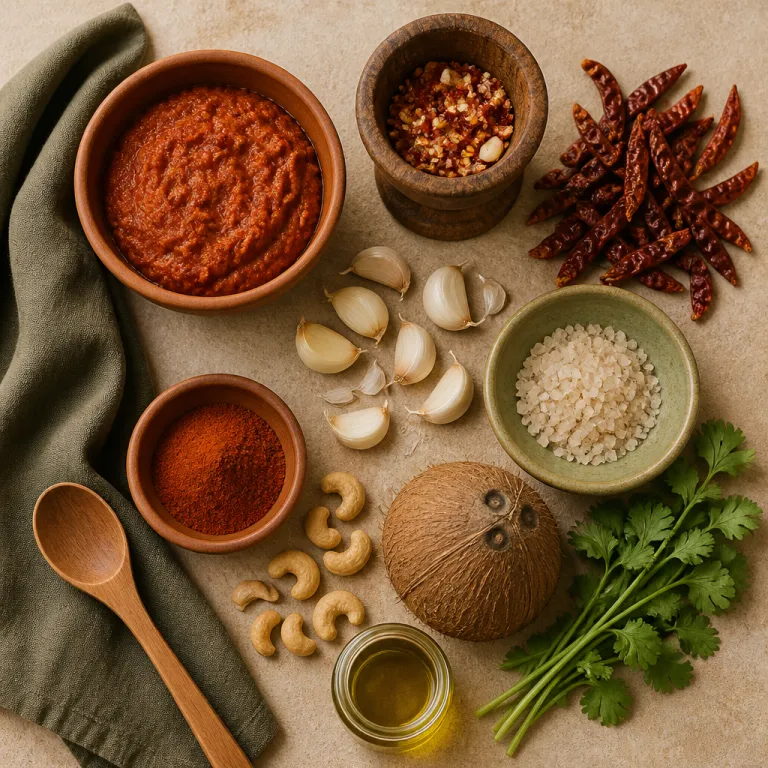
Traditional Mozambican food relies on African bird’s eye chili, garlic, oil, and citrus pounded slowly in a mortar and pestle, a method that keeps the oils bright and the flavor layered. Lodge chefs in high end properties such as Azura Benguerra Island, whose Peri-Peri Beach Club is frequently cited in guest reviews for its interactive grills, often use electric blenders and imported oils, softening the heat for international guests while still referencing the Portuguese and African roots of the marinade. This is where Mozambique food culture can either shine or flatten, depending on whether the resort treats peri chicken and grilled fish as living recipes or as standardized dishes designed only to be easy to replicate.
The Portuguese influence runs deeper than the chili, shaping how chicken is spatchcocked, how served rice absorbs the juices, and how bolo polana, a dense cashew cake, appears on dessert menus. In coastal towns, you still find pão from old style bakeries, eaten alongside street food skewers and bowls of matapa enriched with coconut milk. When choosing a luxury stay focused on cultural immersion, look for properties that reference this shared history openly and that align with guides such as our dedicated piece on cultural immersion through luxury hotel dining in Mozambique, rather than offering a generic “peri sauce” detached from its African and Portuguese context.
Matapa, markets and the lodge table: how mozambican cuisine is reinterpreted
Walk through a morning market in Maputo or Vilanculos and you see Mozambique food culture in its raw, fragrant form. Piles of cassava leaves sit beside baskets of maize, trays of fresh seafood glisten on ice, and the air carries smoke from street food grills where peri chicken sizzles next to skewers of calamari. This is the pantry that feeds both local families and the kitchens of the most ambitious coastal lodges.
Matapa, the slow cooked combination of cassava leaves, ground peanuts, and coconut milk, is perhaps the clearest bridge between home cooking and resort dining. In family homes it arrives in generous bowls, often with maize porridge or simply served rice, while in high end properties it might appear as a small, intense tasting portion alongside grilled prawns or lobster. The best lodge chefs work directly with local people and farmers, respecting Mozambique traditional recipes while adjusting texture and plating for guests who may be tasting Mozambican cuisine for the first time.
Along the southern coastline, from Vilanculos to Inhambane, this translation from market to menu becomes a kind of culinary itinerary in itself. Our detailed route on the southern Mozambique food trail for hungry travelers shows how roadside stalls, simple eateries, and refined lodge restaurants all share the same backbone of Mozambican food. When you plan Mozambique travel with a focus on gastronomy, prioritize properties that send their chefs to these markets daily, because that is where the freshest food Mozambique has to offer is negotiated, tasted, and carried back to your plate.
Azura’s grills, island kitchens and the theatre of fresh seafood
On the Bazaruto Archipelago, the Indian Ocean is not just a view but the main ingredient in Mozambique cuisine. Here, fresh seafood defines the rhythm of the day, from early morning dhows returning with line caught fish to evening braais where peri and piri marinades perfume the air. Luxury properties that understand Mozambique food culture treat this daily catch as a performance, not a buffet.
Azura’s Peri-Peri Beach Club at Azura Benguerra Island has become a reference point for how a high end resort can keep Mozambican food grounded while still feeling indulgent. Guests choose their own lobster, prawns, or chicken, brush them with fiery or gentle peri marinades, then cook them at personal grills under the guidance of lodge chefs who grew up eating similar dishes on mainland beaches. This participatory dining turns the idea of peri chicken or grilled calamari into a shared ritual, where the line between local street food and resort cuisine blurs in the best possible way.
Across the archipelago, you see similar patterns: coconut milk enriched curries, prawn dishes finished with lime, and bolo polana reimagined as a plated dessert with tropical fruit. The difference between a forgettable resort and Mozambique best in class hospitality lies in how honestly these kitchens reference Mozambique traditional recipes and how transparently they work with nearby fishing communities. When a property talks about food Mozambique with specificity — naming the fishermen, the village, the exact reef where the fish was caught — you know that Mozambique travel is giving you more than a generic Indian Ocean experience.
Street food, Maputo tables and choosing hotels that respect mozambican food
Maputo is where Mozambique food culture feels most urban, layered, and restless. At Mercado do Peixe in the Maputo Fish Market precinct near Avenida da Marginal, you select fresh seafood from the stalls, then carry it to nearby grills where cooks marinate it in peri or piri mixtures that have never seen a recipe card. A short drive away, long standing restaurants such as Costa do Sol serve grilled chicken, prawns, and traditional food with a view that has anchored generations of family celebrations.
The city’s newer dining rooms lean into fusion, folding African ingredients, Portuguese technique, and global plating into menus that still reference matapa, maize porridge, and bolo polana. This is where the ongoing culinary comparison between traditional and lodge style peri becomes obvious, as chefs adjust heat levels, swap cassava leaves for spinach, or pair peri chicken with refined served rice instead of a simple mound. For travelers, the question is not whether to eat street food or to dine in a polished restaurant, but how to use both to understand Mozambican cuisine as a continuum rather than a hierarchy.
When you choose a luxury hotel in the capital or near national parks, ask specific questions about how the kitchen engages with local street food culture and with Mozambican chefs outside the property. The most credible teams work with local farmers, respect the African and Portuguese history behind each dish, and see Mozambique cuisine as something to preserve rather than to dilute. As tourism grows and more people arrive in the country each year, the lodges that will define Mozambique best practice are those that keep the taste of the roadside grill alive on the white tablecloth.
How to read a menu: spotting real peri in luxury hotels
For a traveler booking a premium stay, the menu is often the first real contact with Mozambique food culture. Look beyond the headline of “peri prawns” or “peri chicken” and read how the kitchen describes its ingredients, its use of coconut milk, and its relationship with local markets. A property that simply lists generic dishes without mentioning Mozambican food traditions, cassava leaves, or the influence of the spice trade is usually signaling a cautious, international approach.
By contrast, when a hotel explains that its peri marinade is ground daily in a mortar and pestle, that its maize porridge comes from nearby farms, and that its bolo polana recipe was shared by a Mozambican chef’s family, you are seeing Mozambique cuisine treated with respect. This is also where the difference between traditional and lodge versions of peri becomes clear, because "Traditional uses local chilies and methods; lodge versions may adjust heat and ingredients for tourists." The most thoughtful properties are transparent about these adjustments, inviting guests to taste both the softer lodge style and the more intense traditional food side by side.
If you want to go deeper, choose hotels that offer market visits, cooking classes, or curated tastings anchored in food Mozambique rather than generic “African nights.” Our in depth guide to peri-peri prawns at the source highlights properties where chefs move easily between street food inspiration and refined plating. In a country where the Indian Ocean, South Africa’s proximity, and vast national parks all shape travel plans, the lodges that truly stand out are those where Mozambique traditional flavors remain unmistakable, even when served on fine china.
FAQ
What is the main difference between traditional peri and lodge peri in Mozambique?
Traditional peri in Mozambique is usually made by Mozambican chefs using local bird’s eye chilies, garlic, lemon, and oil ground slowly in a mortar and pestle. Lodge versions often use electric blenders, adjust the heat level for international guests, and may incorporate imported oils or herbs. The core flavor profile remains similar, but traditional food tends to be hotter, smokier, and more rustic in texture.
Can I safely eat street food in Mozambique while staying at luxury hotels?
Many travelers enjoy street food in Maputo and coastal towns without issues, especially at busy stalls with high turnover of fresh seafood and chicken. Choose vendors who cook food to order, keep raw ingredients on ice, and maintain clean grills and utensils. Luxury hotels often recommend trusted local spots, allowing you to experience authentic Mozambique food culture while managing basic hygiene risks.
Which traditional Mozambican dishes should I look for on lodge menus?
Key dishes to seek include matapa made with cassava leaves and coconut milk, grilled peri chicken, maize porridge served with stews, and bolo polana for dessert. In coastal areas, look for fresh seafood such as prawns, crab curries, and whole grilled fish seasoned with peri or piri marinades. Properties that highlight these elements of Mozambican cuisine, rather than only international dishes, usually offer deeper cultural immersion.
How do luxury lodges in Mozambique support local food producers?
Many high end properties source fish directly from nearby communities, buy vegetables and cassava leaves from local farmers, and collaborate with Mozambican chefs on menu development. Some lodges schedule daily market runs for their kitchen teams, ensuring that food Mozambique remains seasonal and rooted in local supply chains. When booking, ask how the hotel works with surrounding villages and whether guests can visit markets or farms as part of their stay.
Is Mozambique a good destination for travelers focused on gastronomy?
Mozambique is an excellent destination for food focused travelers who value both fresh seafood and layered culinary history. The country’s position on the Indian Ocean, its Portuguese and African influences, and its vibrant street food culture create a distinctive gastronomic landscape. Choosing hotels that prioritize Mozambique cuisine and cultural immersion will turn your holiday into a continuous tasting journey from roadside grill to refined lodge dining room.