Where mozambique coral reef diving meets luxury coastal retreats
Mozambique coral reef diving has quietly become one of the Indian Ocean’s most compelling reasons to plan a coastal escape. Along this long, scalloped shoreline, luxury properties now treat every dive as both a pleasure trip and a contribution to marine science, especially in southern Mozambique where coral reefs still feel remarkably intact. For couples planning travel with purpose, the best stays weave each underwater moment into a wider story of marine life, reef restoration, and guest led conservation.
From the Bazaruto Archipelago to the Quirimbas Archipelago, high end lodges curate diving Mozambique itineraries that move beyond ticking off sharks or manta rays on a list. Instead, they frame each dive site as part of a living laboratory, where divers can log whale sharks, humpback whales, and rays while contributing data to long term studies on Africa Mozambique reef health. This is mozambique diving at its most rewarding, where a morning dive might focus on tiger sharks and an afternoon briefing unpacks how warming water and bleaching events are reshaping local reefs.
For many south African and international guests, the journey begins in South Africa and continues up the coast to Ponta do Ouro, Tofo, and the Bazaruto Archipelago, each region offering distinct dive sites and marine life. Luxury coastal retreats in southern Mozambique now compete not only on private pool villas and wine lists, but on the depth of their marine partnerships, their dive safety protocols, and their commitment to coral reefs. When you choose a property through a specialist platform such as mymozambiquestay.com, you are effectively choosing which stretch of underwater life you want to help protect during your stay.
Night diving in bazaruto and tofo: the reef’s second personality
Night diving in the Bazaruto Archipelago feels like stepping backstage after the main performance, when the reef’s second cast emerges from the dark. Resorts such as Anantara Bazaruto and Vilanculos based operators arrange carefully controlled night dives where underwater torches reveal octopus, lobster, and clouds of bioluminescent plankton swirling above coral reefs. For couples used to daytime mozambique coral reef diving, this after dark immersion reframes familiar dive sites as intimate, almost secret spaces.
These night diving Mozambique experiences demand meticulous dive safety, and the best lodges limit group sizes, match buddies by experience, and insist on pre dive briefings that cover currents, communication, and emergency procedures. Certified divers with Open Water credentials usually find these dives accessible, provided they are comfortable in the water and follow guidance on safety and buoyancy over fragile reefs. Many south African guests time their travel to coincide with clear winter nights, when water visibility improves and the marine life around each dive site becomes easier to read by torchlight.
Tofo, long known among divers for whale sharks and manta rays, is also emerging as a hub for science driven night dives that track sharks, rays, and other nocturnal marine life. Couples interested in a deeper understanding of this coastline should read a marine biologist’s field guide to Tofo, the dive site that quietly rivals the Maldives, which unpacks how local researchers use recreational dives to monitor sharks manta encounters and broader ecosystem shifts. Here, mozambique dive operators work closely with scientists to log species, map reefs, and refine dive safety standards that protect both guests and the underwater life they have come to see.
Coral nurseries and guest facing reef restoration programs
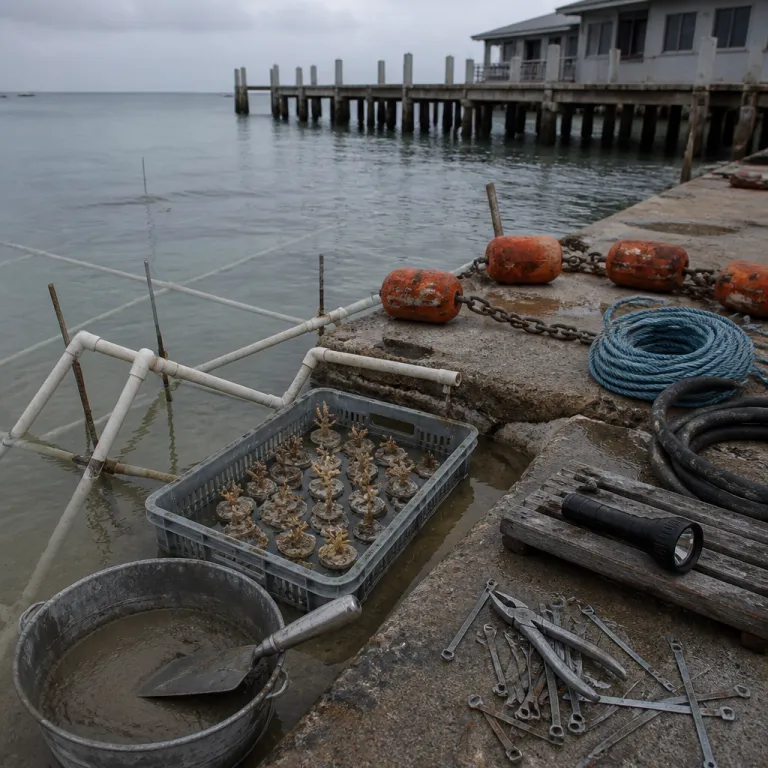
As warming seas and bleaching events place pressure on coral reefs along the Mozambique coast, a new generation of luxury lodges is responding with guest facing coral nursery programs. In the Bazaruto Archipelago, several properties now host shallow coral nurseries where divers and snorkellers can help clean structures, reattach fragments, and learn how reef restoration supports the wider web of marine life. These initiatives echo global efforts led by organisations such as the Reef Rescue Network and the Perry Institute for Marine Science, which have helped establish dozens of nurseries and plant many thousands of corals in other regions.
On Bazaruto Island and nearby sand fringed islets, staff marine biologists brief couples on how each coral fragment, once stabilised, will eventually be transplanted to degraded dive sites across the archipelago. A typical session might combine classroom style instruction on reef ecology with a shallow water dive or snorkel, where guests use brushes and simple tools to clear algae from nursery trees. The same science led approach is now influencing seagrass and dugong conservation, and travellers interested in this broader picture should explore seagrass, dugongs, and the science of saving Bazaruto’s underwater meadows to understand how coral and seagrass restoration intersect.
Further north, properties in the Quirimbas Archipelago are beginning to adapt similar coral nursery models, inviting divers to help monitor water temperature, coral growth, and fish life around each structure. These programs turn a standard mozambique coral reef diving holiday into a hands on conservation retreat, where every dive becomes a data point and every reef visit reinforces the importance of long term dive safety and environmental stewardship. For couples, planting a coral fragment together, naming it, and receiving updates on its growth can be as meaningful as any sunset dhow cruise or private dinner on a sandbank.
Science driven diving: from recreational dives to real data
Across southern Mozambique, the most forward thinking coastal retreats are reframing mozambique diving as a bridge between leisure and research. Instead of treating each dive site as a simple backdrop for photographs of whale sharks or tiger sharks, they invite guests to log sightings, note behaviours, and submit data to long running identification projects. This science driven approach is particularly strong in hubs such as Tofo and Ponta do Ouro, where recurring encounters with sharks, manta rays, and rays provide rich material for marine biologists.
Many lodges now partner with research organisations to offer structured “citizen science” dives, where divers learn to photograph whale sharks and sharks manta in ways that capture unique markings for identification databases. During these sessions, instructors emphasise dive safety, respectful distances, and calm movement in the water, ensuring that marine life remains undisturbed while guests still enjoy close, memorable encounters. Over time, repeated submissions from divers help scientists map migration routes for humpback whales, refine population estimates for sharks, and track how coral reefs respond to changing water temperatures.
Some properties even experiment with an “Ocean Observatory” model, sharing real time reef monitoring data with guests via lounge screens or in room tablets. Couples can review graphs of water temperature, coral bleaching alerts, and fish counts before heading out to the same dive sites they have just studied, turning each mozambique dive into a living lesson in oceanography. For travellers who appreciate a similar blend of high comfort and marine focus in other parts of the Indian Ocean, an elegant escape at Diamonds La Gemma dell’Est Resort in Nungwi offers a useful comparison point for how luxury resorts can integrate reef friendly practices into daily operations.
Planning a purpose led dive escape: certifications, seasons, and safety
Designing a purpose led mozambique coral reef diving itinerary begins with an honest assessment of your experience and comfort in the water. Most coral nursery programs and science focused dives accept Open Water certified divers, though some deeper sites or shark focused expeditions may require Advanced Open Water credentials and recent logged dives. Couples should speak frankly with lodge based dive teams about their skills, as the best operators in southern Mozambique will tailor dive sites and schedules to match ability while maintaining strict safety standards.
For visibility and calmer seas, many divers favour the cooler months, when water clarity often improves and humpback whales migrate along the coast, sometimes visible from your island deck. This period also aligns with peak activity for whale sharks and manta rays in certain regions, making it an excellent time to combine recreational diving Mozambique with coral nursery visits and data collection dives. Whatever the season, responsible operators emphasise dive safety through detailed briefings, conservative depth limits, and small group ratios, particularly on night dives and shark oriented trips.
Practical preparation matters as much as choosing the right archipelago or ponta for your stay, and lessons from established restoration programs elsewhere translate well to Mozambique. Guests are usually encouraged to bring personal dive gear if preferred, apply reef safe sunscreen, and stay hydrated before and after dives, habits that protect both people and coral reefs. As one widely used briefing from international restoration partners puts it, “Yes, participants must be certified divers.”, a reminder that meaningful participation in coral nurseries and restoration dives rests on solid training, respect for the water, and a shared commitment to the marine life that makes Africa Mozambique so compelling.
FAQ
Do I need to be an experienced diver to join coral nursery activities ?
Most coral nursery programs in Mozambique welcome Open Water certified divers with recent experience. You should feel comfortable controlling your buoyancy in shallow water, as you will be working close to delicate structures and young corals. If you are newly certified, ask your lodge to schedule a refresher dive before joining any restoration work.
Can non divers participate in reef restoration during a luxury stay ?
Several coastal retreats offer snorkel based coral nursery visits or beachside coral fragment workshops for non divers. These sessions allow you to learn about reef ecology, help clean nursery structures in very shallow water, or assist with data entry and photo identification on land. Couples often split activities, with one partner diving and the other joining surface based conservation experiences.
How is dive safety managed on night dives and shark focused trips ?
Reputable operators in southern Mozambique follow strict dive safety protocols, including small groups, clear briefings, and conservative depth and time limits. Night dives usually require a primary and backup torch, and guides maintain close contact with each buddy pair throughout the dive. Shark oriented excursions emphasise respectful distances, controlled movements, and adherence to codes of conduct designed to protect both guests and marine life.
What is the best time of year for mozambique coral reef diving with conservation focus ?
Cooler, drier months generally offer better visibility and calmer seas, which suit both recreational dives and coral nursery work. This period often coincides with humpback whale migrations and reliable sightings of whale sharks and manta rays in certain regions. Lodges can advise on the most suitable weeks for combining wildlife encounters with hands on restoration activities.
How do coral nursery programs in Mozambique connect to global reef restoration efforts ?
Many Mozambican properties model their coral nurseries on techniques refined by international groups such as the Reef Rescue Network and the Perry Institute for Marine Science. Data and lessons from these projects help local teams choose resilient coral species, design effective nursery structures, and monitor long term reef recovery. As partnerships grow, guest collected observations from Mozambique will increasingly feed into wider Indian Ocean conservation strategies.