Why mozambique food agriculture tourism belongs on a luxury traveler’s radar
Mozambique food agriculture tourism sits quietly behind the country’s beaches, yet it shapes almost every plate in its luxury hotels. In a nation where agriculture anchors the economic fabric, the agricultural sector is not background noise but the engine that keeps cashew nuts roasting in Maputo lounges and coconut curries steaming in Vilankulo dining rooms. For travelers booking premium stays, understanding this agriculture sector adds depth to every tasting menu and elevates each glass of coastal Chenin Blanc paired with grilled prawns.
Across Mozambique, agriculture still employs much of the rural population, and the agricultural sector underpins both food production and food security in regions that send their best ingredients to high end resorts. When you sit down to a cashew crusted line fish at a five star lodge, you are tasting the results of agricultural development that links small farmers in rural areas with chefs who care about provenance and long term supply. This is where mozambique food agriculture tourism becomes more than a phrase, turning into a lens through which you can read the country’s economic growth, public policies and the balance between natural resource protection and private investment.
Luxury properties increasingly frame their experiences around this agriculture sector, inviting guests into the story of land, climate change and rural development rather than hiding the fields behind the infinity pool. Some of the most interesting hotels now work with civil society groups and the private sector to support access to credit for small farmers, ensuring that cashew and coconut production does not remain trapped in low productivity cycles. For the business leisure executive, these stays double as field level briefings on how public financial tools, public private partnerships and targeted support can turn natural resources into resilient, premium supply chains.
Cashew country: from smallholder trees to hotel bar snacks
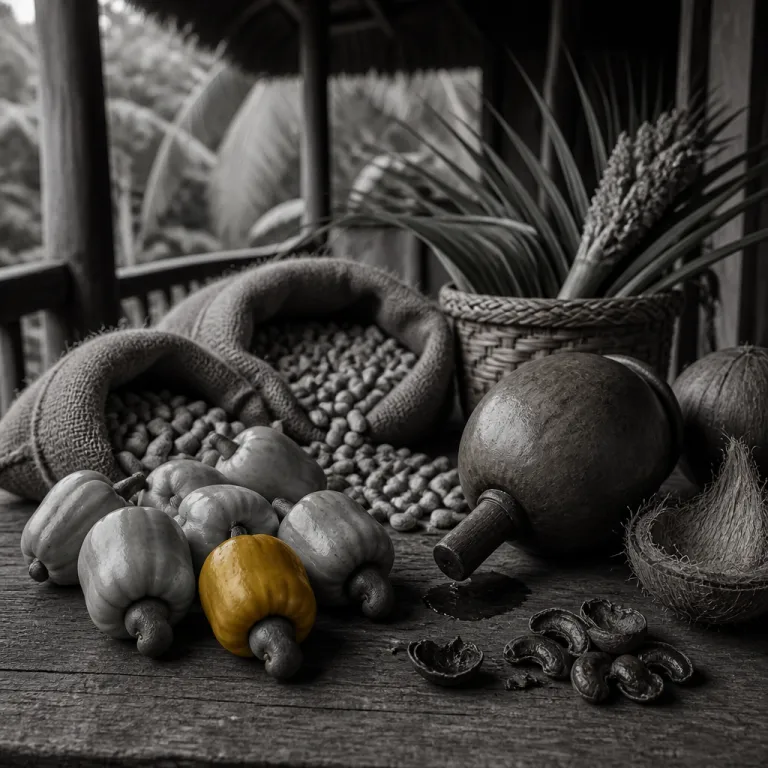
Fly north over Mozambique and you start to see the pattern that defines cashew country, with orchards stretching across Nampula and Cabo Delgado where small farmers tend trees that quietly feed hotel minibars and poolside snack menus. The main cashew producing region in Mozambique is in these northern provinces, and this agricultural production now approaches historical highs that are reshaping how luxury properties think about mozambique food agriculture tourism. In this cashew rich belt, the agriculture sector is not abstract policy but a daily calculation about land, labour and the protection of natural resources against climate change.
Recent figures show cashew production in Mozambique reaching nearly 200 000 tonnes, and that volume matters when you are assessing long term supply for a premium hotel group planning new openings. For executives eyeing private investment in processing plants or medium sized roasting facilities, the agricultural sector here offers a rare mix of growth potential and embedded local expertise among farmers who have worked these orchards for generations. When you order a cashew and coconut tart at a high end island resort, you are tasting the output of an agriculture sector that is finally attracting serious private sector attention after years of low prices and lack of infrastructure.
One of the clearest signals of this shift is the scale of capital flowing into coastal destinations, including headline making hospitality projects that hinge on reliable food production and agricultural development in their hinterlands. A detailed example is the major capital commitment analysed in this guide to large scale investment in the Bazaruto area, where long term viability depends partly on stable agricultural supply chains from rural areas on the mainland. For travelers, this means that the humble bowl of cashews at the bar is now a window into how public policies, public private partnerships and civil society advocacy are reshaping the agriculture sector that underpins Mozambique’s most ambitious luxury stays.
Palm wine rituals and the social life of rural areas
Step away from the coast road and into Mozambique’s rural areas at dusk, and you will often find palm tappers returning with containers of fresh sura, the palm wine that quietly anchors social life far from the capital. This traditional drink, tapped manually from species such as Hyphaene coriacea, is part of a wider agricultural production system where agriculture, food and community rituals are inseparable. For travelers interested in mozambique food agriculture tourism, an evening spent near a palm grove can be as revealing as any tasting menu in Maputo.
Palm tappers are small farmers in their own right, managing land, trees and natural resources with a long term view that balances income with protection of the palms they depend on. Annual income from palm wine can reach meaningful levels for individual tappers, and this revenue often fills gaps created by low prices in other parts of the agricultural sector or lack of formal access to credit. When luxury lodges partner with these producers through carefully structured public private initiatives, they can support rural development while securing a unique, hyper local drink for their bar programs.
For the business leisure traveler, tasting palm wine in context offers a concise lesson in how the agriculture sector, civil society norms and public policies intersect in Mozambique. A well briefed guide can explain how climate change threatens some natural resource patterns, how public financial schemes might support adaptation and how private sector hospitality brands can invest without undermining food security in nearby villages. To understand why Mozambique is not an afterthought on the Indian Ocean map, it helps to read this detailed perspective on the country’s position on the region’s last unspoiled coast, then carry that lens into a palm grove where agriculture and social life meet in a single shared calabash.
Coconut plantations, kitchen gardens and the farm to lodge table
Coconut trees line much of Mozambique’s coastline, and their presence shapes both the landscape and the menus of luxury hotels that lean into mozambique food agriculture tourism. In many coastal districts, agriculture revolves around mixed systems where coconuts, cassava and cashew trees share land with small plots of vegetables that feed both families and nearby lodges. This mosaic of agricultural production underpins the creamy coconut rice beneath your grilled crayfish and the fragrant coconut milk in your breakfast porridge.
Some of the most forward thinking properties now treat the agriculture sector as a partner rather than a supplier, investing in kitchen gardens and community plots that shorten the distance between field and plate. Nuarro Lodge, for example, has developed a farm hub model where local farmers and the hotel’s own garden collaborate to supply the restaurant, creating a microcosm of agricultural development that benefits the surrounding rural population. In this model, public private cooperation and targeted support help small farmers improve food production, while the lodge secures fresher ingredients and a compelling narrative for guests interested in rural development and sustainable land use.
For executives extending a business trip, these farm to lodge systems offer a living case study in how private investment can strengthen the agriculture sector without displacing local food security. Conversations with chefs and managers often touch on access to credit for medium sized producers, the role of public financial incentives and the need for policies that protect natural resources while encouraging growth in the private sector. When you walk through a coconut plantation at sunrise, you are not just admiring a photogenic natural resource ; you are stepping into a working landscape where agriculture, economic planning and climate change adaptation all converge.
Where to stay: luxury bases for exploring Mozambique’s agricultural heart
Choosing the right hotel in Mozambique can turn a standard coastal break into a deep dive into mozambique food agriculture tourism, especially if you pick properties that curate encounters with farmers and food producers. Along the southern coast, several high end lodges now offer day trips into rural areas where guests can walk cashew orchards, visit small farmers and see how agricultural production shapes both local diets and export markets. These excursions often include market visits where you can trace the path from agricultural sector policy to the price of a bag of nuts or a bottle of palm wine.
Inhambane town has emerged as a refined base for travelers who want both polished hospitality and proximity to working landscapes, with restored mansions and waterfront properties that partner closely with nearby communities. A detailed guide to coastal elegance in Inhambane highlights how some hotels there integrate agricultural development into their guest experiences, from sourcing vegetables directly from rural development projects to supporting civil society initiatives that improve access to credit. For business leisure guests, these stays double as informal field visits, offering insight into how public private collaborations and private sector logistics shape the flow of food from farm to table.
Farther north, island lodges in the Quirimbas and Bazaruto archipelagos increasingly rely on supply chains that reach deep into the agriculture sector on the mainland, linking rural population centres with high end kitchens. When you tour their back of house operations, you often see how public financial incentives, land use regulations and climate change adaptation strategies influence everything from menu design to waste management. Staying in these properties turns the abstract language of economic growth, natural resources and public policies into something you can taste in a cashew pesto, a coconut based dessert or a simple plate of seasonal greens grown a few kilometres inland.
Business leisure lens: investment, risk and opportunity in Mozambique’s agriculture sector
For executives who read balance sheets as closely as wine lists, Mozambique’s agriculture sector offers a compelling backdrop to any luxury stay, especially when framed through mozambique food agriculture tourism. Cashew processing, coconut derivatives and palm wine value chains all sit at the intersection of agricultural production, private investment and public policy, making them natural talking points over dinner with local partners. When you tour a processing facility or visit a cooperative near your lodge, you see how low margins, lack of infrastructure and limited access to credit have historically constrained growth.
Recent years have brought a gradual shift, with more structured public private initiatives and targeted public financial tools aimed at de risking private sector capital in rural areas. Agricultural development programs now focus on helping small farmers and medium sized enterprises upgrade equipment, improve food production standards and adapt to climate change, all of which matter to hospitality brands that need reliable supply. For investors, the key questions revolve around land tenure protection, the stability of economic policies and the capacity of civil society organisations to ensure that growth does not undermine food security for the rural population.
From a strategic perspective, the most interesting opportunities often sit where agriculture, tourism and natural resources intersect, such as integrated farm and lodge models or cashew roasting operations that supply both export markets and hotel chains. During site visits, you will hear stakeholders ask very specific questions, including : “What is the main cashew-producing region in Mozambique ?”, “How is palm wine produced ?”, and “Is cashew production increasing in Mozambique ?”. These real world queries, drawn directly from field discussions, underline how closely the agriculture sector and tourism now intertwine, turning a luxury trip into both a sensory experience and a working reconnaissance mission.
How to experience mozambique food agriculture tourism on your next trip
Turning theory into itinerary is straightforward once you start viewing Mozambique’s landscapes through the twin lenses of agriculture and hospitality, especially if you are already booking premium hotels. Begin in Maputo or Inhambane with a guided market tour that highlights how agricultural production from rural areas flows into urban food culture, then follow that trail back to the land with a day trip to cashew orchards or coconut plantations. Along the way, ask your hotel to arrange meetings with small farmers or cooperatives so you can see how agricultural development programs and public private partnerships operate on the ground.
On the coast, choose lodges that publish clear commitments to supporting the agriculture sector, from sourcing policies that prioritise local suppliers to investments in kitchen gardens and training for farmers. These properties often work with civil society organisations to improve access to credit, strengthen food security and build resilience against climate change for the surrounding rural population. When you sit down to dinner, you can then read the menu as a map of economic growth, natural resource management and public financial choices that shape every ingredient.
To go deeper, consider extending your stay with a structured field visit focused on mozambique food agriculture tourism, perhaps combining meetings with agricultural sector stakeholders and time at a coastal retreat. Such itineraries can include briefings on land use policies, tours of medium sized processing plants and conversations with public sector officials about long term strategies for rural development. By the time you return to your hotel’s terrace for a final plate of cashew pralines and a glass of chilled palm wine based cocktail, you will have traced the full arc from field to glass in a way that few travelers ever experience.
Key figures behind Mozambique’s cashew and palm wine economy
- Cashew production in Mozambique has recently reached around 195 400 tonnes, a level close to historical peaks and a critical foundation for hotel and restaurant supply chains in the north (data reported by 360 Mozambique, showing a strong rebound in the cashew industry).
- Roughly one million households are involved in the cashew value chain across Mozambique, meaning that decisions by luxury hotels to source local nuts directly influence incomes for a significant share of the rural population (figures compiled by 360 Mozambique for recent seasons).
- Annual income from palm wine for an individual tapper can average about 1 878 USD, a substantial contribution in rural areas where agriculture often faces low margins and limited access to credit (research published in the journal Scientia Horticulturae via ScienceDirect).
- Cashew harvests in Mozambique typically run from September to January, while palm wine tapping continues year round, giving hotels and lodges a relatively stable calendar for integrating these products into seasonal menus and guest experiences.
- Northern provinces such as Nampula and Cabo Delgado remain the main cashew producing regions in Mozambique, making them strategic locations for investors and travelers interested in combining agricultural sector visits with coastal or island stays.
FAQ about Mozambique’s agricultural side for luxury travelers
What is the main cashew producing region in Mozambique for travelers to visit ?
The primary cashew producing belt runs through northern provinces such as Nampula and Cabo Delgado, where small farmers manage extensive orchards that feed both export markets and domestic hotel demand. Travelers staying in coastal lodges near these regions can often arrange day trips to plantations and processing sites. These visits provide a direct view of how the agriculture sector underpins mozambique food agriculture tourism.
How is palm wine produced and where can guests taste it safely ?
Palm wine in Mozambique is produced by tapping sap from palm trees, including species like Hyphaene coriacea, using manual techniques refined over generations. The fresh sap ferments quickly, so the best and safest way for travelers to taste it is through hotel arranged visits to trusted tappers in nearby rural areas. Many upscale lodges now integrate supervised palm wine tastings into cultural excursions, ensuring hygiene standards while preserving authenticity.
Is cashew production in Mozambique really increasing, and why does it matter for hotels ?
Recent data show cashew production in Mozambique climbing back toward historical highs, with volumes approaching 200 000 tonnes in the most recent reported season. This growth matters for luxury hotels because it stabilises supply for everything from bar snacks to dessert menus, while also supporting incomes for the rural population. For business leisure travelers, rising production signals improving conditions in the agricultural sector and potential opportunities for responsible private investment.
How can a luxury traveler engage meaningfully with Mozambique’s agriculture sector without disrupting communities ?
The most respectful approach is to work through hotels and operators that already collaborate with local farmers, cooperatives and civil society organisations. Ask for experiences that prioritise small farmers’ time, pay fair fees for visits and align with existing agricultural development or rural development projects. By choosing properties that support public private initiatives and transparent sourcing, you help strengthen food security and long term resilience rather than creating short term spectacle.
Are there specific times of year that are best for mozambique food agriculture tourism experiences ?
The cashew harvest from September to January is ideal if you want to see orchards at their busiest and visit processing sites in full operation. Palm wine tapping occurs year round, so cultural experiences around sura can be arranged in most months, especially in rural areas with strong traditions. Coastal hotels can advise on seasonal variations in food production, helping you time your trip to match both agricultural cycles and your preferred climate conditions.
References and further reading
- 360 Mozambique – Business and agri business reporting on cashew production and agricultural policy.
- ScienceDirect – Peer reviewed research on palm wine economics and smallholder livelihoods in Mozambique.
- Government of Mozambique, Ministry of Agriculture and Rural Development – Official data on the agriculture sector, rural development programs and public policies.