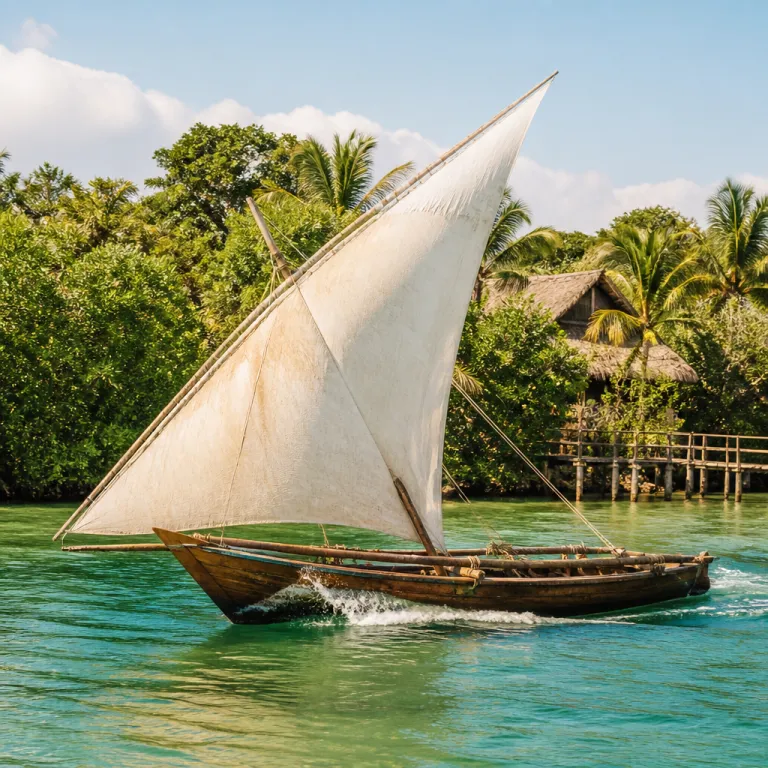
The dhow sailing Mozambique experience: where luxury begins with a wooden hull
Luxury in Mozambique often starts not at the resort gate but at the moment you step barefoot onto a creaking dhow boat in a quiet harbour. This is the essence of the dhow sailing Mozambique experience, where a hand carved prow and a lateen sail replace chrome fittings and where the Indian Ocean itself becomes your concierge. When couples arrive in Vilanculos Mozambique or Maputo for a coastal escape, the most memorable upgrade is often a private dhow rather than a larger yacht.
Historically, Arab merchants and Indian traders shaped Mozambique Africa by sailing these vessels along the East African coast, using lateen sails to ride the monsoon winds with precision. Maritime trade on every mozambique dhow linked spices, fabrics and ideas, and the same traditional boat design now carries guests between each island Mozambique and the mainland with a sense of continuity that no modern catamaran can match. As one preserved account notes with disarming clarity, “Dhows facilitated trade along East African coast.”
Today, when you book a premium stay through a curated platform such as mymozambiquestay.com, the most refined itineraries weave at least one dhow Mozambique excursion into the stay. High end lodges near the Bazaruto Archipelago or Ibo Island treat the dhow sailing Mozambique experience as a signature amenity, pairing it with champagne, a chef and a guide who can point out every curve of the coastline on a hand sketched map. For couples, that slow glide across the ocean at sunset often feels more indulgent than any spa treatment or infinity pool.
From working dhow to private charter: how culture shapes your cruise
A dhow is not a themed prop for sunset cocktails ; it is a working vessel that still carries cargo, fish and families between villages along Mozambique Africa. On the same harbour Maputo where commuters board ferries, you will see a traditional dhow boat unloading nets at dawn, its crew moving with a rhythm that has barely changed since the first Portuguese ships appeared offshore. When you charter a dhow Mozambique for an afternoon, you are stepping into that living maritime culture rather than a staged performance.
Local skippers along the coast from Vilanculos to Nampula Province learn to read the Indian Ocean by feel, watching the colour of the water and the angle of the wind instead of relying on electronics. Many can trace their lineage back to sailors who once traded with Arab merchants, and they still use similar routes between each island and beach, which gives every mozambique dhow journey a sense of inherited knowledge. For guests, this means that an authentic dhow sailing Mozambique experience often includes small course changes to follow dolphins, avoid shifting sandbars or reach a quieter cove for swimming.
When comparing options, a commercialized cruise usually means a larger group, fixed timings and limited interaction with the crew, while a private dhow charter offers flexibility, conversation and often onboard cooking over a simple charcoal grill. Luxury hotels that respect this heritage will cap group sizes, encourage guests to sit near the skipper and explain how lateen sails work, turning the outing into a cultural exchange rather than a passive ride. This is also the ideal moment to pair your dhow sailing with more immersive ocean activities such as night diving and coral nursery visits with marine conservation teams, creating a day that moves from traditional navigation to modern reef restoration.
Bazaruto Archipelago and Vilanculos: barefoot luxury meets dhow safaris
For many couples, the Bazaruto Archipelago is where the dhow sailing Mozambique experience reaches its most cinematic form. From Vilanculos Mozambique, traditional boats fan out each morning towards the islands, their white sails etched sharply against the blue of the Indian Ocean. High end lodges on Bazaruto and Benguerra often include at least one dhow bazaruto excursion in multi night stays, treating it as a core part of the guest journey rather than an optional extra.
A typical day might start with a dhow sailing slowly from the mainland sand flats, stopping at a sandbar for snorkeling before continuing towards the heart of the bazaruto archipelago. Your skipper anchors over a reef he has known since childhood, while a guide points out turtles and rays that you may later encounter again on a dedicated dive arranged through a specialist operator. Many luxury properties now collaborate with marine biologists, and some itineraries pair dhow trips with experiences such as diving in Bazaruto alongside a marine biologist on the dive boat for a deeper understanding of the ecosystem beneath your hull.
As the afternoon light softens, the same dhow bazaruto vessel often transforms into a sunset dhow platform, with cushions laid out on the deck and a discreet bar set up near the mast. Couples can request a private route that skirts the quieter side of each island Mozambique, avoiding busier channels and focusing on sand dunes, flamingo filled shallows and the long curve of the beach. When the sail finally silhouettes against the sky, you understand why many repeat guests describe this as the moment when Mozambique Africa feels most like a private ocean rather than a destination on a map.
Ibo Island, Nampula Province and Maputo: three very different dhow horizons
While Bazaruto may dominate travel images, the dhow sailing Mozambique experience shifts character as you move north and south along the coast. Around Ibo Island in the Quirimbas, traditional boat building still survives, and you can often see a new dhow being shaped by hand on the shore, its ribs exposed like a beached whale. Here, sailing between Ibo Island and neighbouring sandbanks feels almost ceremonial, with the archipelago stretching out in a chain of low lying silhouettes.
Further south, in Nampula Province, the coastline becomes more rugged, and the dhow routes thread between fishing villages, mangroves and offshore reefs that remain largely absent from mainstream brochures. Couples staying in emerging luxury lodges here can arrange dhow Mozambique excursions that focus less on polished service and more on raw immersion, sharing tea with crews or watching nets being hauled in at dawn. These trips often appeal to travellers who value cultural depth over formality, and who see every mozambique dhow as a moving vantage point on daily life rather than a simple leisure craft.
Back in the capital, the harbour Maputo offers a different rhythm again, with dhows sharing space with ferries, tugs and cargo ships. A short dhow sailing from Maputo can take you to nearby islands and sandbanks, giving urban stays a surprising sense of escape without requiring a domestic flight. For couples combining city time with coastal retreats, starting or ending the journey with a dhow cruise in Maputo ties the whole itinerary back to the same maritime thread that runs through Mozambique Africa.
Designing a romantic dhow itinerary: from sunset sails to sandbar dinners
Planning a romantic dhow sailing Mozambique experience starts with choosing the right time of day and the right style of cruise. Morning trips are usually best for snorkeling and swimming, with calmer seas and clearer light on the reefs below the boat. Sunset dhow outings, by contrast, lean into atmosphere, with the sky turning copper behind the sail and the coastline fading into a soft silhouette.
Many luxury lodges now offer private dhow charters that include dinner on a remote sandbar or uninhabited island Mozambique, where a chef grills the catch of the day while you wade in ankle deep water. These experiences often feel more intimate than a formal restaurant, with only the sound of the ocean and the creak of the hull as the tide shifts around your temporary dining room. For couples interested in wellness, it is increasingly common to combine a dhow cruise with micro retreats such as yoga on the dunes and breathwork sessions by the reef, creating a day that moves from movement to stillness in a single arc.
From a practical standpoint, you do not need any sailing experience to enjoy these trips, as crews handle all navigation and safety. Most dhow excursions last between two and four hours, and premium operators provide shaded seating, light snacks and sometimes even a small onboard galley for simple meals. When booking through a specialist platform, look for itineraries that limit guest numbers, offer flexible routes and clearly explain how they support local crews, as these details often make the difference between a generic outing and a genuinely luxurious dhow Mozambique journey.
FAQ
What is a dhow and why is it important in Mozambique ?
A dhow is a traditional Arabian sailing vessel with lateen sails, and it has been used along the Mozambican coast for many centuries. In Mozambique, dhows historically carried goods and people between ports, linking local communities with Arab merchants and Indian traders across the Indian Ocean. Today, they remain central to coastal life, serving both as working boats and as the foundation for many high end sailing experiences for visitors.
Are dhows still used today for more than tourism ?
Yes, dhows are still widely used as working vessels along the East African coast, including Mozambique. Many crews rely on them for fishing, small scale cargo transport and daily commuting between villages and islands. Tourism focused dhow trips often operate alongside these traditional activities, which is why an authentic cruise can feel like a window into real coastal life rather than a staged attraction.
Do I need sailing experience to join a dhow cruise in Mozambique ?
Guests do not need any prior sailing experience to enjoy a dhow excursion in Mozambique. Professional skippers and crews handle all aspects of navigation, sail management and safety, allowing you to relax and focus on the scenery. Most luxury focused operators provide safety briefings, life jackets and clear guidance on what to expect during the trip.
What should couples look for when booking a luxury dhow experience ?
Couples seeking a premium dhow outing should prioritize small group or private charters, flexible routes and clear communication about inclusions such as meals, drinks and snorkeling equipment. It is also worth asking how the operator supports local crews and whether the trip includes cultural elements such as visits to fishing villages or explanations of traditional navigation. Platforms that specialize in luxury stays in Mozambique often pre vet these details, which helps ensure that the experience matches the standard of your hotel.
Where are the best places in Mozambique to sail on a dhow ?
The Bazaruto Archipelago near Vilanculos, Ibo Island in the Quirimbas and the harbour in Maputo are three standout areas for dhow sailing. Bazaruto offers classic sandbar and snorkeling routes, Ibo Island provides a strong sense of maritime heritage and Maputo delivers easy access to island escapes from the capital. Each region offers a distinct atmosphere, so many travellers choose to combine more than one area in a single itinerary.