Why mozambique local dishes food matters more than any lodge menu
Mozambique local dishes food is the quiet thread that holds a coastal trip together. Long after you have forgotten the exact shade of the Indian Ocean outside your suite, you will remember the first spoonful of matapa or the way maize porridge felt in your hands at a family table. For luxury travelers, understanding everyday mozambican food turns a comfortable stay into a genuinely african experience.
Across mozambique, food is shaped by tides, trade winds, and centuries of portuguese influence layered over older african traditions. This is not a cuisine built only for resort restaurants ; it is a living mozambican cuisine that stretches from Maputo’s street food stalls to island fishing villages where fresh seafood is carried straight from dhow to pan. When you plan mozambique travel, treating meals as cultural encounters rather than hotel add ons will change how you choose both properties and neighborhoods.
Families arriving from south africa or even from cape town often expect familiar grilled chicken and fries, yet mozambique cuisine offers far more nuanced comfort dishes for children. Xima, the soft maize porridge that anchors most plates, is as gentle as plain rice but carries the soul of mozambican food when paired with rich stews. The best mozambique stays for families are those where chefs move easily between international favorites and local dishes, letting you taste matapa at lunch while still serving simple food for younger palates at dinner.
Matapa, cassava leaves, and the art of coconut rich stews
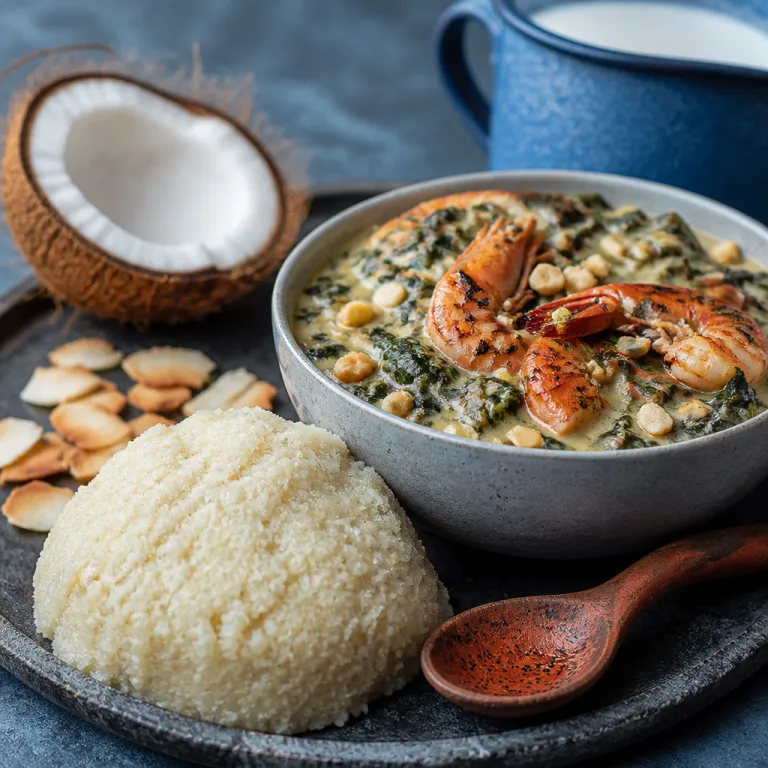
Matapa is where mozambique local dishes food becomes unmistakably coastal and unmistakably local. At its core, this national dish is a slow cooked stew of cassava leaves, ground peanuts, garlic, and generous coconut milk, sometimes enriched with prawns or crab when fresh seafood is plentiful. In the south of the country, especially around Maputo and Inhambane, you will find matapa in humble canteens, family kitchens, and refined hotel restaurants, each version telling a slightly different story of mozambican cuisine.
For travelers used to african stews elsewhere in africa, the depth of coconut in matapa can be surprising. Coconut appears in almost every element of mozambique food, from the oil used for frying to the grated flesh stirred into rice and the coconut water poured over ice at the beach. When you taste matapa in different restaurants, pay attention to how the balance of cassava leaves, peanuts, and coconut milk shifts ; some chefs lean into a greener, more vegetal profile, while others chase a silkier, almost dessert like richness.
Luxury lodges sometimes tame matapa for international guests, yet the most memorable bowls often come from modest street food counters near markets where cassava leaves are chopped on the spot. If you want to understand what separates a lodge’s polite version from the real thing, read the detailed guide on the Mozambican kitchen and authentic peri peri cooking before you travel. Ask your concierge to arrange a guided tasting in a local neighborhood, where you can compare matapa variations and see how mozambican food culture is anchored in everyday life rather than in staged performances for tourists.
Xima, maize porridge, and the everyday plates your children will actually eat
Xima is the quiet backbone of mozambique local dishes food, a simple maize porridge that appears beside almost every savory plate. Think of it as the Mozambican cousin of polenta or pap, firm enough to shape with your fingers yet soft enough for very young children. For families planning a mozambique honeymoon that later evolves into a return trip with kids, xima becomes the reassuring constant that makes local meals feel accessible.
In many african households across mozambique, food is served in shared bowls, with xima used to scoop up sauces, grilled chicken juices, or coconut rich stews. Hotels and high end restaurants will usually plate xima more formally, pairing it with prawns in coconut milk, matapa, or a tomato based seafood caril that reflects portuguese influence. When you book a property from our gastronomy focused lodge by lodge dining guide, look for chefs who mention maize porridge and xima on their menus, because that signals a kitchen engaged with real mozambique cuisine rather than only international standards.
Parents sometimes worry about street food hygiene, yet xima itself is usually cooked at a rolling boil and served very hot, which makes it a relatively safe option when handled sensibly. Combine it with grilled chicken or simply cooked fresh seafood for a balanced plate that feels familiar while still rooted in mozambican cuisine. If your children are cautious eaters, start with plain xima and rice, then gradually introduce sauces and stews so they can explore mozambican food at their own pace.
From peri peri prawns to street food snacks: where spice meets the sea
Ask frequent visitors what defines mozambique local dishes food and many will answer with a single phrase ; peri peri prawns on the beach. The country’s long coastline along the Indian Ocean delivers an almost absurd abundance of fresh seafood, from small lagoon prawns to larger deep water species that end up on charcoal grills beside the sand. When piri or peri peri chilli marinades meet this fresh seafood, you get the smoky, citrus bright plates that have made mozambican food famous well beyond africa.
Street food culture in mozambique is not just about speed ; it is about proximity to the source. In Maputo, Beira, and the south around Inhambane, you will find stalls where prawns, fish, and sometimes grilled chicken are brushed with piri or peri peri sauces that trace their roots to both portuguese and african traditions. These sauces often include garlic, lemon, oil, and crushed chilli, and they sit comfortably beside coconut based curries, showing how portuguese influence and local ingredients have fused into a distinctive mozambique cuisine.
Beyond the grills, look for samoosas and badjia at markets and bus stations, where vendors sell these snacks to commuters and schoolchildren. Samosas, shaped by indian ocean trade routes that also touched places like cape town and even the okavango delta corridor, are filled with spiced meat or vegetables, while badjia are deep fried bean fritters that pair beautifully with a cup of sweet tea. For travelers who want to balance wellness with indulgence, micro wellness retreats along the coast now pair yoga sessions with carefully prepared local snacks, as explored in this piece on micro wellness retreats and coastal rituals.
Coconut, cashews, bakeries, and how to eat like a local in luxury
Coconut is the quiet architect of mozambique local dishes food, slipping into almost every corner of the plate. You will taste coconut milk in crab curries, coconut oil in street food fryers, grated coconut over rice, and coconut water served straight from the shell on an island beach. This omnipresent ingredient softens chilli heat, enriches sauces, and gives mozambican cuisine its unmistakable coastal warmth.
Cashew trees line many roads in the south of mozambique, and roasted nuts become both snack and souvenir for visitors. In some restaurants, chefs grind cashews into sauces or use them to garnish seafood dishes, while local distillers produce cashew based liquors that appear as digestifs after long dinners. When you explore mozambique food beyond hotel dining rooms, you will notice how these nuts, along with coconut and maize porridge, form a trio that underpins much of everyday mozambican food culture.
Another legacy of portuguese influence is the bakery tradition, which gives mozambique a daily rhythm of pão and pastéis de nata that rivals many cafés in south africa. Luxury hotels in Maputo and on the islands often fly in pastry chefs, yet some of the best mozambique breakfasts still come from modest corner bakeries where locals queue before work. For travelers planning mozambique travel with children, these bakeries are ideal for gentle first forays into local streets, offering familiar pastries alongside more traditional snacks and giving a soft landing into the broader world of mozambique cuisine.
FAQ
Is mozambique local dishes food suitable for children and cautious eaters ?
Many core elements of mozambican food are very child friendly, especially xima, plain rice, grilled chicken, and simply cooked fresh seafood. Sauces based on coconut milk tend to be mild, and chilli heat from piri or peri peri can usually be served on the side. In luxury hotels, chefs are accustomed to adapting mozambique cuisine for younger palates, so you can request less spice and smaller tasting portions.
Which mozambican dishes should every first time visitor try ?
Start with matapa, the cassava leaves and coconut milk stew that many locals consider the national dish. Add a plate of peri peri prawns, some grilled fish with xima, and a serving of crab curry if you are near the coast. Between meals, snack on samoosas, badjia, and roasted cashews to understand how street food and everyday snacks shape mozambique food culture.
How spicy is typical mozambique cuisine ?
The base of mozambican cuisine is not overwhelmingly hot, because coconut, peanuts, and tomatoes soften many sauces. Heat usually comes from piri or peri peri condiments that can be added at the table, which means you control the intensity. If you are sensitive to spice, simply ask for your dishes without chilli and taste the sauce separately before mixing it into your food.
Can I safely eat street food in mozambique during my trip ?
Street food in mozambique ranges from very simple grilled seafood to more complex fried snacks, and many travelers enjoy it without issues by following basic precautions. Choose busy stalls where food mozambique style is cooked to order, avoid items that have been sitting in the sun, and prioritize hot dishes like grilled chicken, prawns, or freshly fried badjia. When in doubt, ask your hotel concierge or guide to recommend specific vendors they trust in that neighborhood.
How does mozambique cuisine compare to food in south africa or cape town ?
While there are shared influences between mozambique, south africa, and cities like cape town, mozambique cuisine leans more heavily on coconut, cassava leaves, and fresh seafood from the Indian Ocean. Portuguese influence is also more pronounced in everyday dishes, from bakery culture to peri peri marinades. Travelers who know the region often describe mozambican food as lighter, more coastal, and more intensely shaped by island style ingredients than inland african cuisines or those from the okavango delta region.