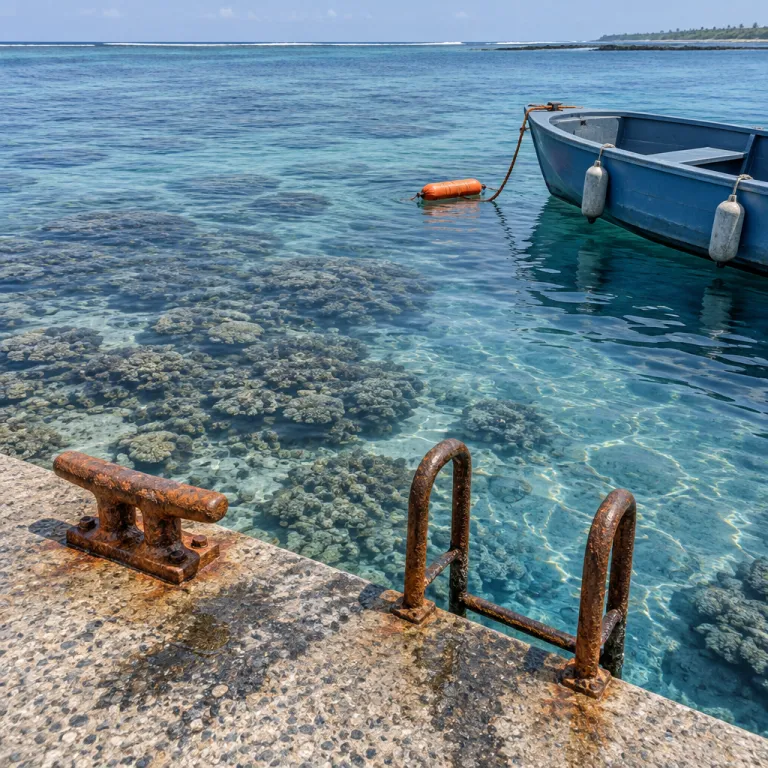
Why learning to dive in Mozambique flatters first-timers from day one
Learning to dive in Mozambique means starting in warm, forgiving water. The Indian Ocean here usually feels like a bath, with gentle swells and visibility that often stretches far enough for beginners to relax quickly. For families arriving from long flights via South Africa or Europe, that softness in the water matters more than any glossy brochure claim.
Along the southern coast, from Tofo to Ponta do Ouro, shallow coral gardens create some of the best places for a first scuba course. These protected reefs offer a good balance of calm conditions and thrilling marine life, so even your earliest dives feel like the best diving rather than a classroom exercise. When you learn to dive Mozambique style, you surface from training dives already talking about turtles, rays and reef sharks instead of just skills and equipment.
Luxury lodges in Mozambique increasingly build their entire guest experience around the sea, and a serious in house dive center is now a mark of quality. For a premium family, that means you can move from breakfast to your open water briefing in a few barefoot steps, with your gear already checked and waiting. The result is a rhythm where diving Mozambique becomes part of daily life, not a logistical mission that eats into precious holiday days.
Tofo and southern Mozambique: gentle training grounds with big ocean drama
Tofo has become shorthand among divers for whale sharks, manta rays and long, lazy beaches. Yet the real secret for families who want to learn to dive Mozambique wide is how kind the near shore reefs are to nervous first timers. Shallow training areas sit just beyond the surf, so your first scuba diving skills session still feels like a real dive site rather than a swimming pool substitute.
On a typical course in Tofo, you start with basic scuba skills in calm water, then progress to short boat rides out to nearby dive sites that already rank among the best diving in Mozambique. Even on these early dives, it is common to see turtles, clouds of reef fish and sometimes reef sharks cruising the blue, which keeps teens and adults equally engaged. Our detailed field guide to Tofo’s signature dive site that quietly rivals the Maldives shows how close serious marine life encounters sit to shore based luxury.
Further south, the long arc of Ponta do Ouro offers a different mood but the same promise for beginners. Here, many luxury properties sit on dunes above the beach, with their own paths down to the water and quick access to local dive sites that suit both open water students and advanced open water divers. When you learn to dive Mozambique’s southern coast, you combine soft sand, easy logistics and a real chance of seeing whale sharks or humpback whales in season, even from the boat between dives.
How a resort based dive course works for luxury seeking families
For most guests who learn to dive Mozambique wide, the classic route is a four to five day open water course based at a coastal resort. The structure is reassuringly predictable ; mornings often start with theory and shallow water skills, while afternoons are reserved for boat dives on nearby reefs. Because the dive center sits inside your lodge, you can step straight from your villa to the briefing deck without juggling transfers or timetables.
Across Mozambique’s best places for training, a typical open water course includes several confined water sessions and at least four open water dives, all supervised by qualified instructors. Families often choose to spread these dives over more days, which keeps the pace relaxed and leaves time for pool hours, beach walks and long lunches between sessions. On our Bazaruto Archipelago itineraries, for example, we often pair a morning training dive with an afternoon dhow sail or a guided snorkel, as outlined in our piece on diving Bazaruto with a marine biologist on the dive boat.
Not everyone in the family needs to commit to a full scuba course to enjoy diving Mozambique. Many luxury lodges offer a single “try dive” in shallow water, followed by an easy boat trip to a calm dive site where non certified guests can experience supervised dives on a short leash. Those who fall in love with the feeling can then extend their stay by a few days to complete the full open water certification, while more experienced parents or older teens may opt for an advanced open water upgrade on the same reefs.
Marine life rewards: whale sharks, humpback whales and reef drama for beginners
One of the strongest reasons to learn to dive Mozambique wide is the sheer density of marine life on relatively shallow reefs. Even on your first open water dives, you are likely to swim through clouds of anthias, watch turtles grazing on coral and hear the distant song of humpback whales in the season. These are not aspirational “one day” encounters ; they are the baseline of what a good day in the water looks like here.
Southern Mozambique is recognised by marine biologists as a global centre for whale sharks, and these gentle giants are fully protected under Mozambican law. While sightings are never guaranteed, the chance of sharing the Indian Ocean with a whale shark during your stay adds a quiet thrill to every boat ride between dive sites. The same waters also host seasonal migrations of humpback whales, and it is common for families to surface from training dives to see tail slaps or breaches in the middle distance.
For many guests, the best dive of the trip happens not on the deepest reef but on a calm, sunlit plateau where the colours feel almost exaggerated. Here, even novice divers can appreciate the interplay between reef sharks, rays and schooling fish without worrying about complex currents or advanced open water skills. When you learn to dive Mozambique’s southern coast, you start to understand why so many south African families return year round, using these reefs as their children’s first real classroom in marine conservation.
Choosing the right luxury lodge and dive center for your family
Selecting the best property when you learn to dive Mozambique wide is less about thread count and more about the seriousness of the in house dive operation. A strong dive center will have experienced instructors, well maintained equipment and boats designed for both comfort and safety in the local sea conditions. For families, that combination of professionalism and warmth often matters more than any spa menu or wine list.
Look for lodges where the dive team is integrated into the wider guest experience, not outsourced to a distant operator who collects you on a truck each morning. When the same staff greet you at breakfast, brief you on the day’s dives and later talk through marine life sightings at dinner, children quickly feel part of a small, confident community. This is where names like Liquid Dive or Peri Divers often come up in conversation among repeat guests, not as marketing slogans but as shorthand for a certain standard of care in diving Mozambique.
Non divers in the family should feel equally indulged while others are out on the boat, with options that go beyond a pool lounger and a paperback. Many of Mozambique’s best places for families now offer guided beach walks, stand up paddleboarding, dhow cruises and wellness focused experiences that use the ocean as their spa, as we explore in our feature on wellness travel in Mozambique where ocean therapy replaces the hotel spa menu. In this context, learning to dive becomes one thread in a wider tapestry of Indian Ocean days, where each member of the family finds their own rhythm between water time and shore based pleasures.
Planning your season, itinerary and progression beyond first certification
When you plan to learn to dive Mozambique wide, timing your trip around the local season patterns can elevate the experience. The southern coast offers good diving conditions for much of the year, with different months favouring either calmer seas, whale sharks or humpback whales. Many south African families treat these waters almost as an extension of their own coastline, returning at different times to sample each mood of the Indian Ocean.
For a first open water course, most luxury travellers allow at least five to seven days in one location, which leaves space for weather delays and rest days between dives. Those combining Mozambique with a Kruger safari in South Africa often start with the bush, then fly to the coast so that the sea becomes a gentle decompression after early morning game drives. This sequence works particularly well for families, as children move from tracking land based sharks and big cats to meeting their marine counterparts in a single, coherent story.
Once certified, many guests quickly start planning their next steps in diving Mozambique, whether that means an advanced open water course, more challenging dive sites or simply more relaxed fun dives with the same trusted dive center. The best itineraries build in unstructured days where you can decide each morning whether to join the boat, snorkel from shore or simply watch the water change colour from your terrace. In the end, learning to dive in Mozambique is less a single course and more the beginning of a relationship with a coastline that rewards you a little more generously every time you return.
FAQ: learning to dive in Mozambique for luxury seeking families
Is Mozambique suitable for complete beginners who want to learn to dive ?
Mozambique is very well suited to complete beginners, thanks to warm water, generally good visibility and shallow, protected reefs near many luxury lodges. Dive centers attached to premium properties are used to working with first timers, including children and teens. This combination makes it easier to relax and focus on skills while still enjoying rich marine life from your very first dives.
How many days should we plan for an open water course in Mozambique ?
Most international training agencies structure the open water course over four to five days, including theory, confined water sessions and at least four open water dives. Luxury travellers often add one or two extra days to allow for rest, weather changes or additional fun dives after certification. A week in one coastal location usually provides a comfortable balance between training and downtime.
Can children and teens learn to dive in Mozambique, and are there age limits ?
Children from around 10 to 12 years old can usually start junior level scuba courses, depending on the agency and medical clearance. Many Mozambique lodges are experienced in teaching families, with patient instructors and small group ratios. Younger children or those not ready for full scuba can often join shallow snorkelling trips or pool based “try dive” experiences instead.
What is the best season to see whale sharks and humpback whales while diving ?
Southern Mozambique has whale sharks present across much of the year, with certain months offering higher chances of encounters depending on plankton blooms and local conditions. Humpback whales migrate along the coast in a defined season, when sightings from dive boats and beaches become common. Your chosen lodge or dive center can advise on the most suitable travel window for the specific marine life you hope to see.
Should we choose a lodge with its own dive center or use an external operator ?
For most luxury seeking families, a lodge with a serious in house dive center offers the smoothest experience. On site teams simplify logistics, keep equipment close at hand and integrate diving with the wider guest programme. External operators can work well in some areas, but they usually involve more transfers and less flexibility around family schedules.